
Last updated November 25, 2026
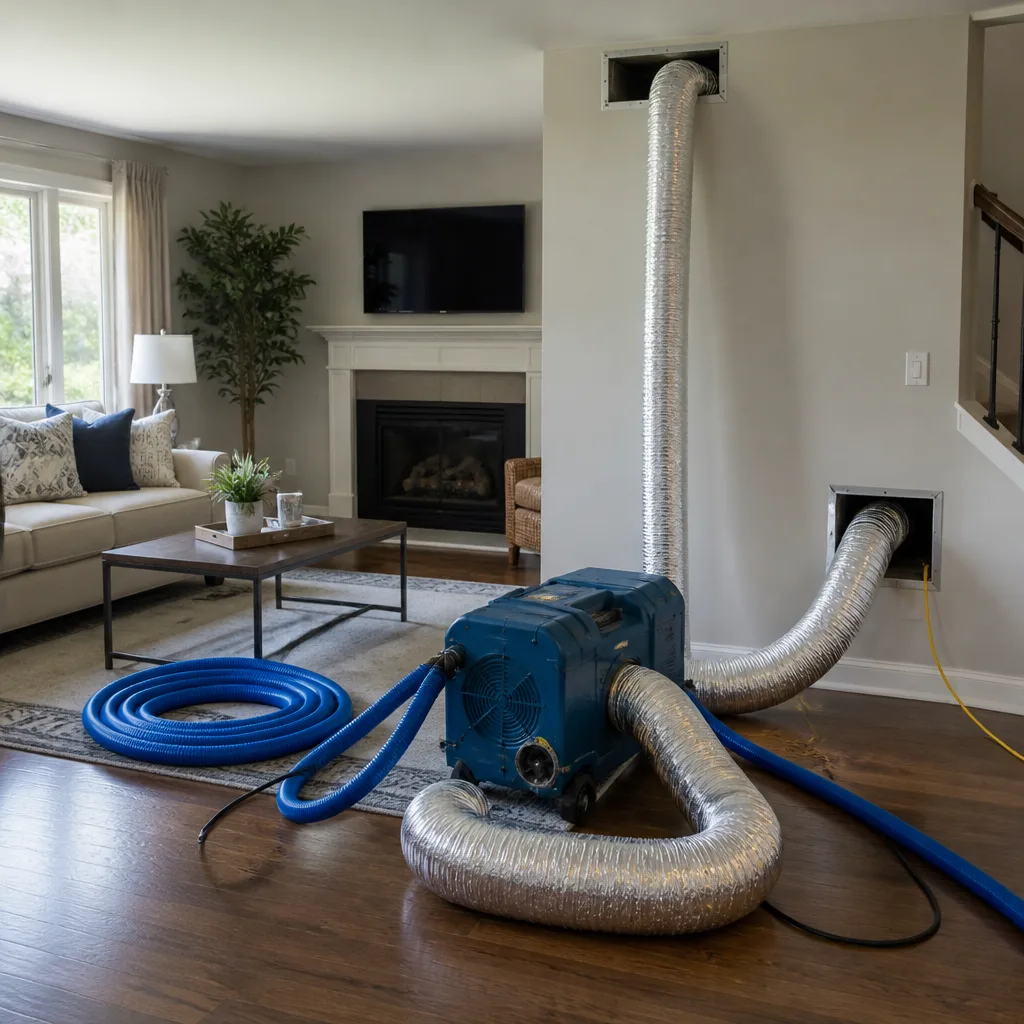 Whole-home duct cleaning
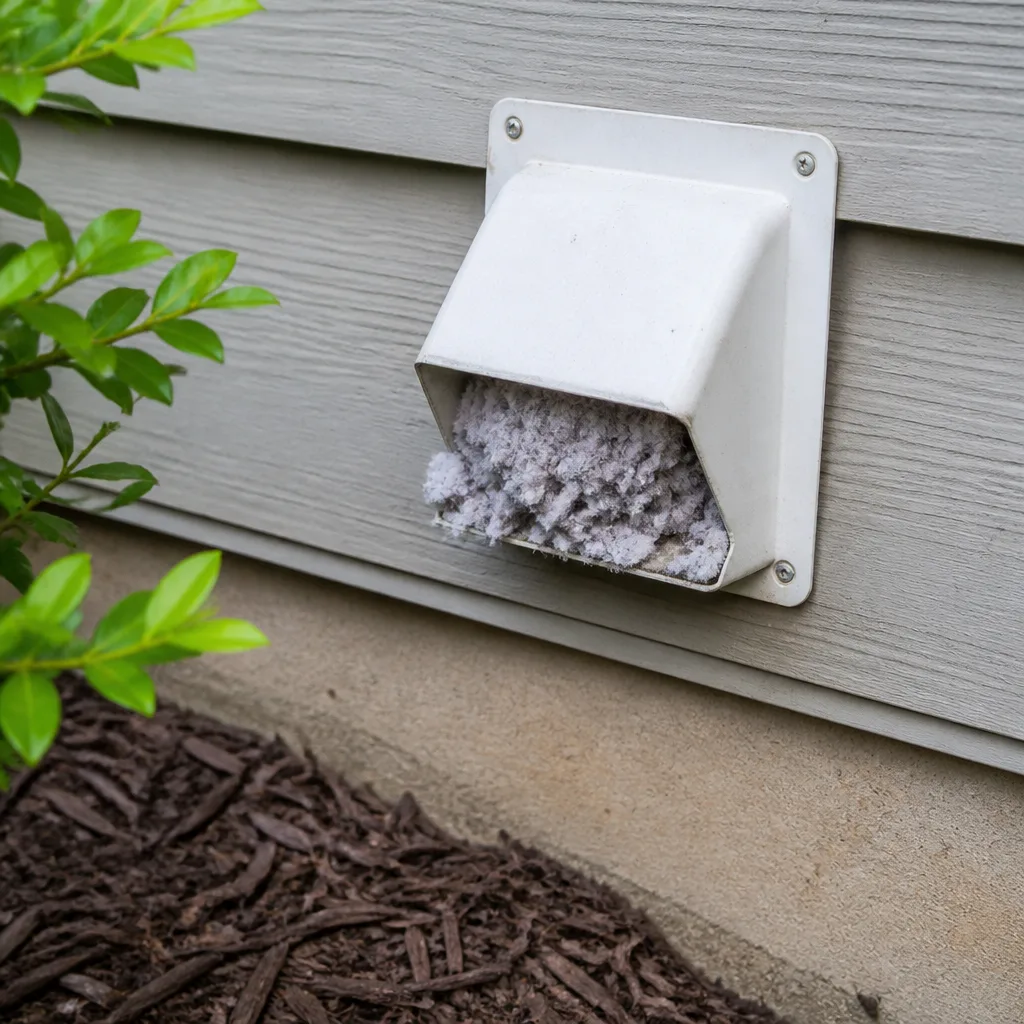 Dryer vent cleaning
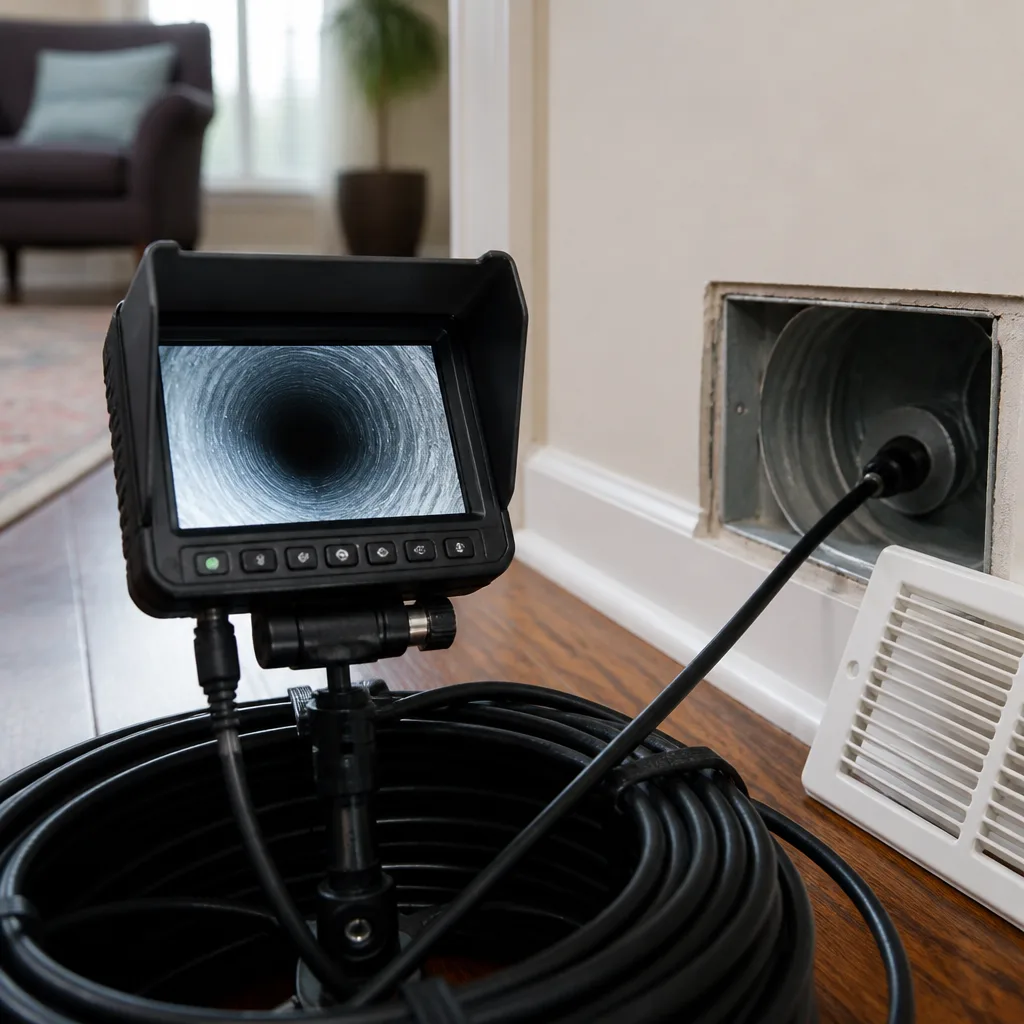 Camera inspection
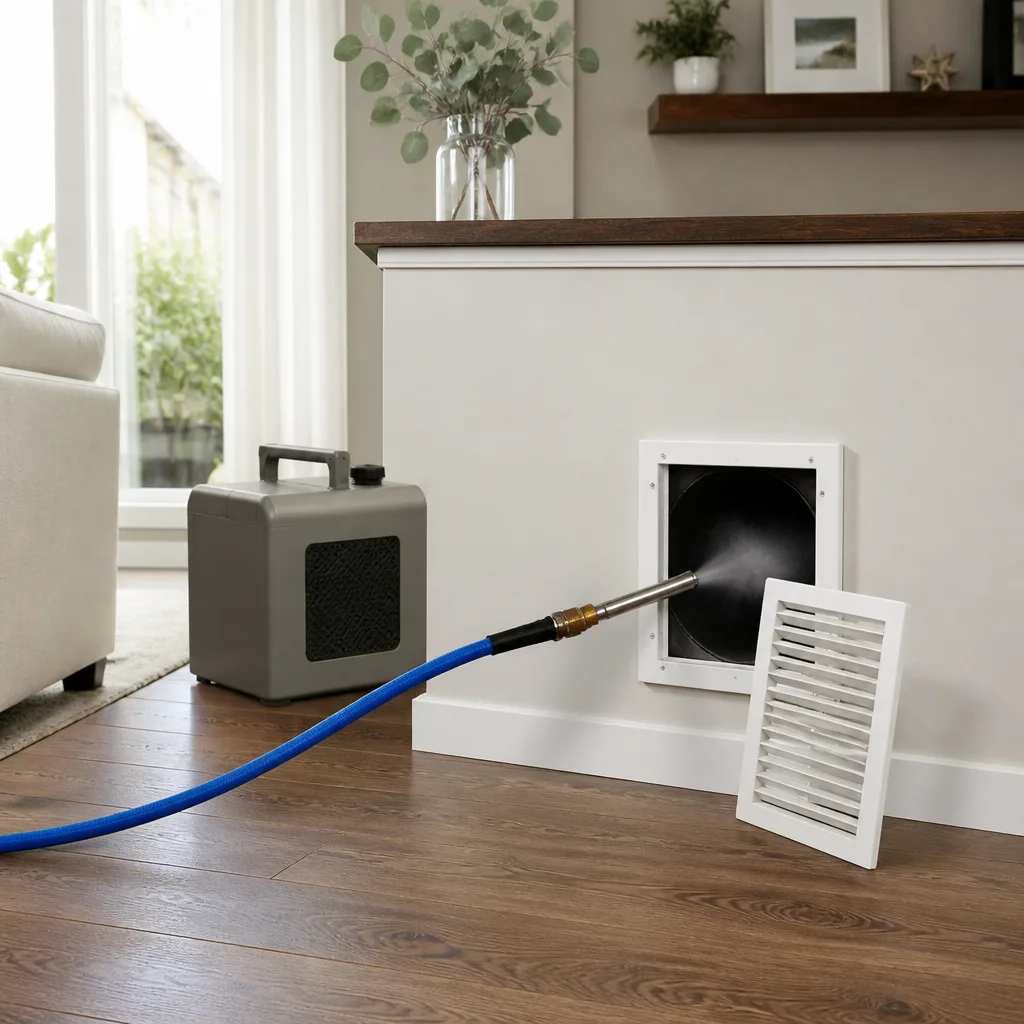 Sanitizing & deodorizing
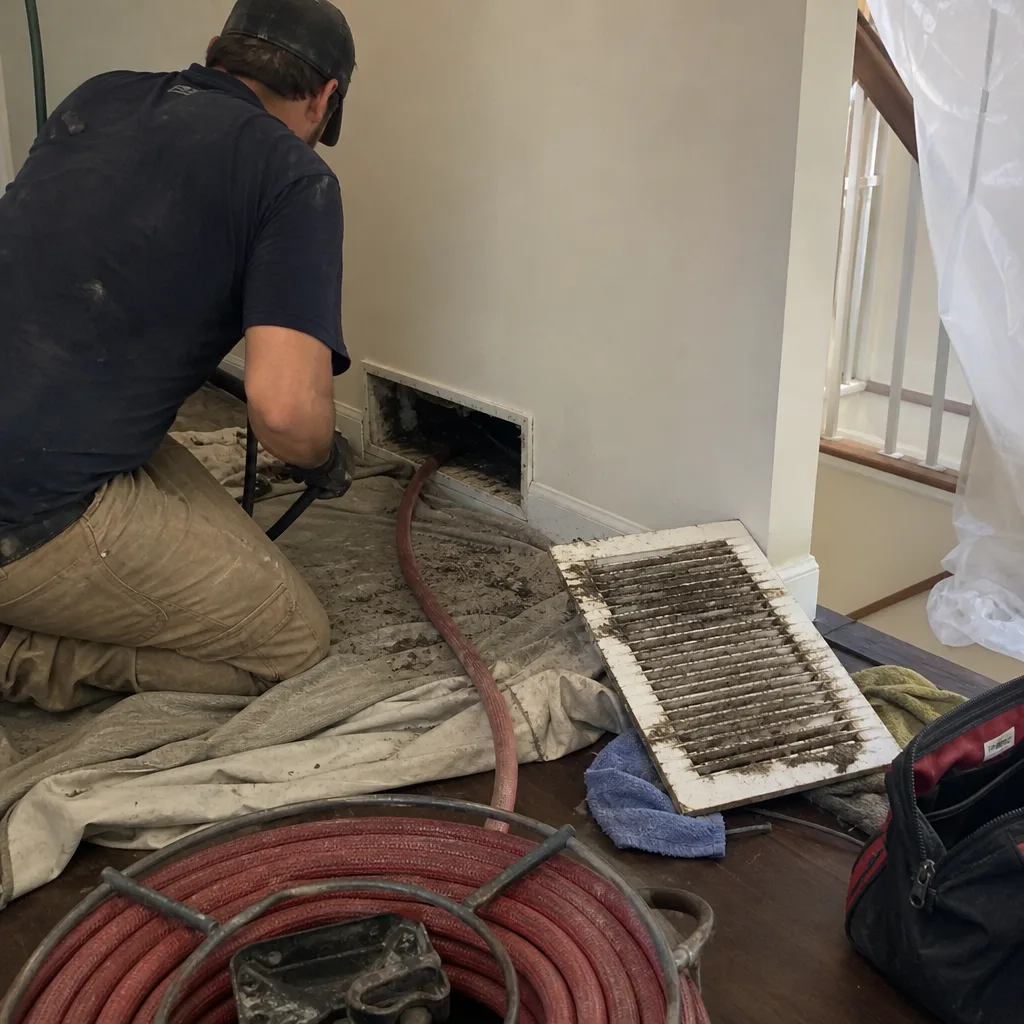
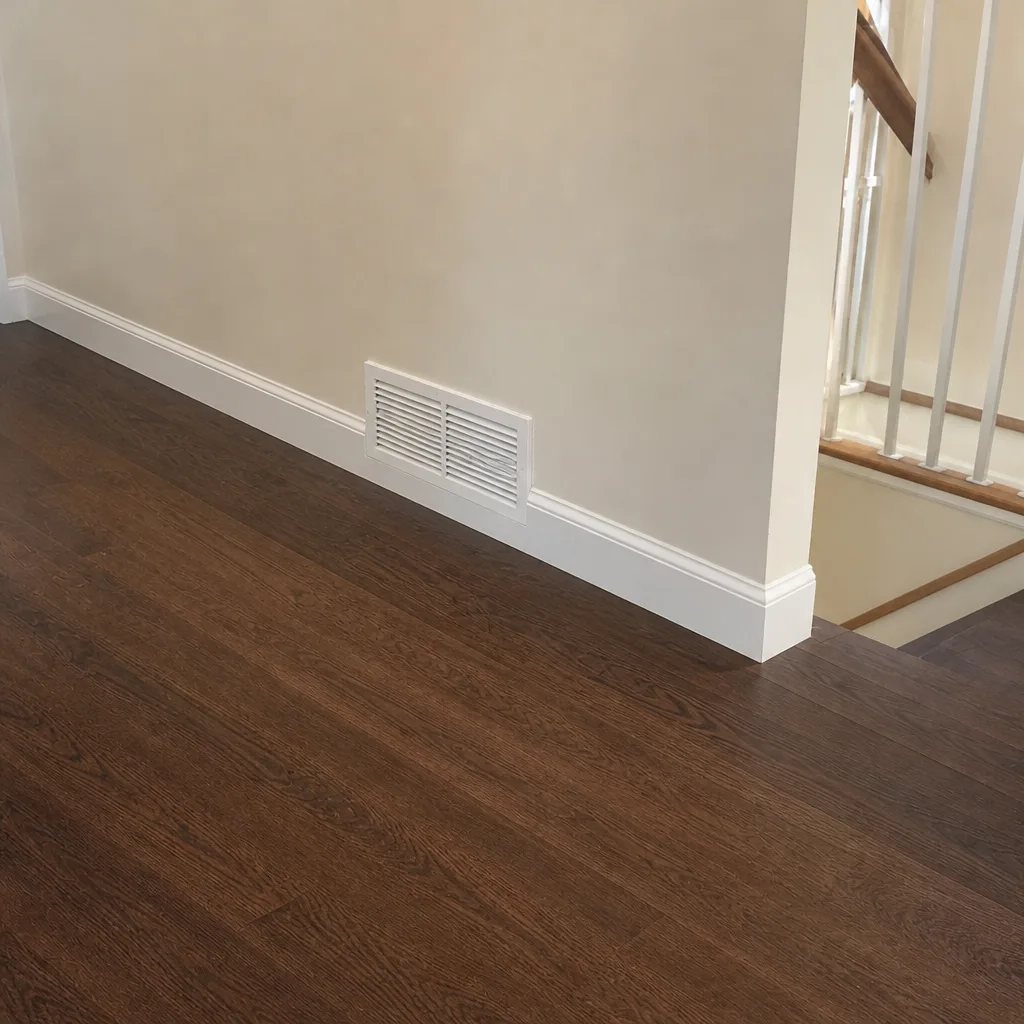
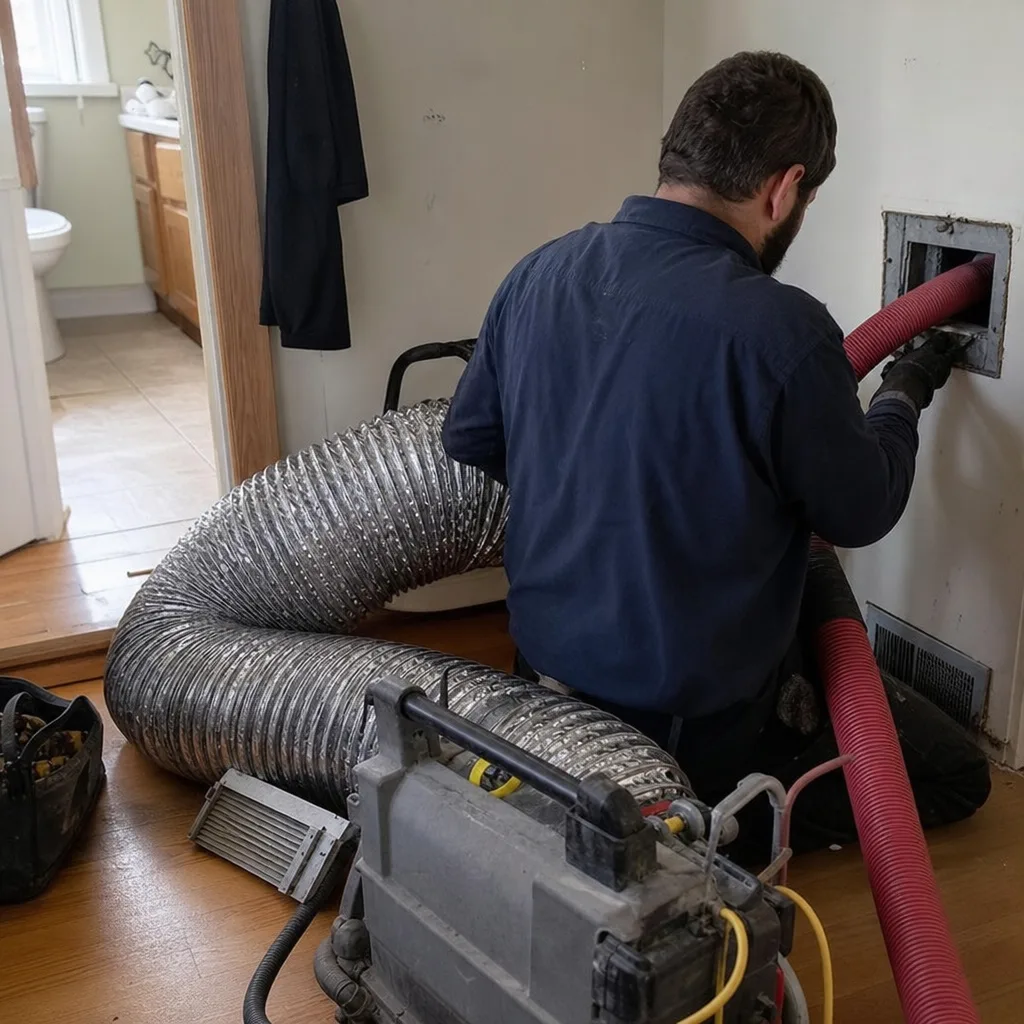
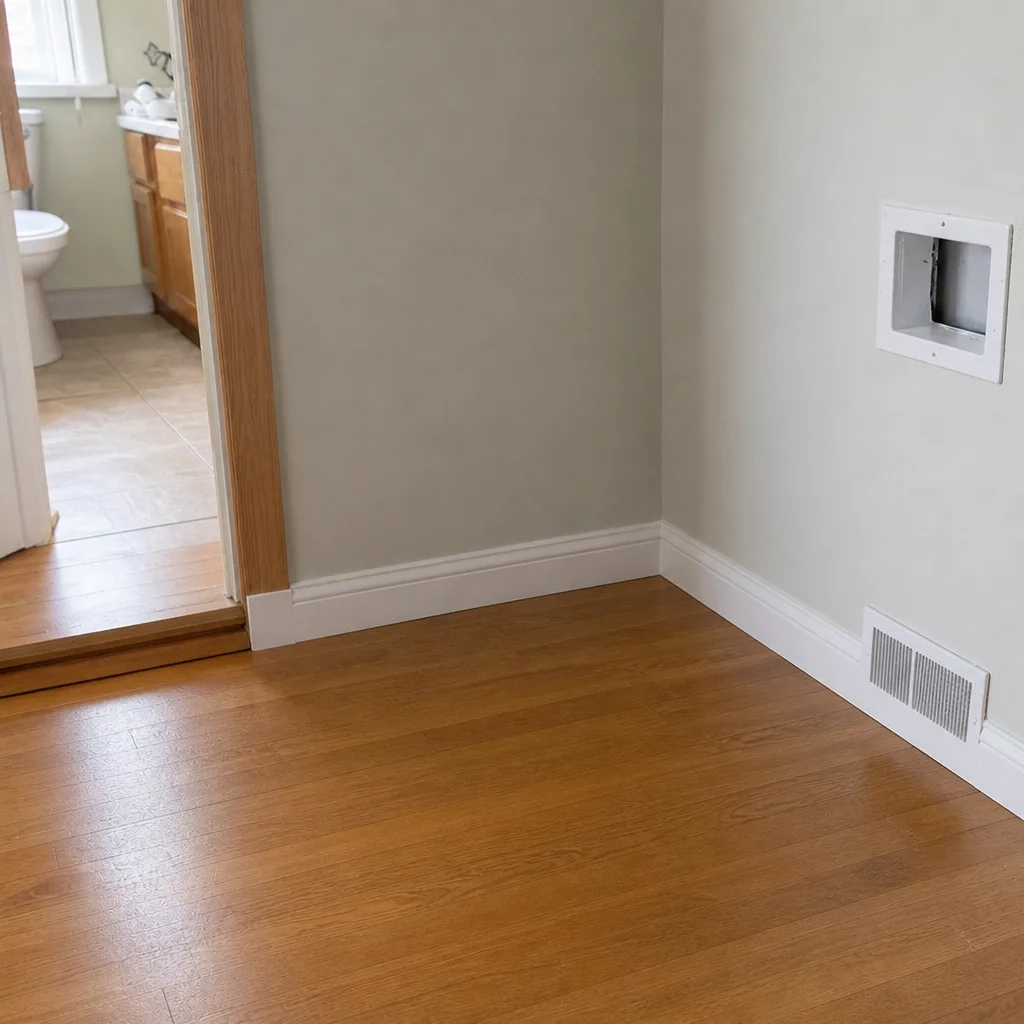
Whole-system duct and dryer vent check with before-and-after photos - you see exactly what came out of your vents
That "$99 whole-house special" is a bait ad - the real number appears once they are in your hallway, or the "clean" is a shop-vac at the register. We photograph the inside of your ducts before and after instead.
The Complete Guide to Air Duct Cleaning in Somerton
Most homes we open up in Somerton don’t have a duct cleaning problem. They have a duct system problem. There’s a difference, and it’s the reason so many homeowners tell us their last cleaning didn’t change anything: the vents got wiped, the visible duct got vacuumed, and everything upstream stayed exactly as it was. The air handler, the blower wheel, the coil, the return plenums, the supply runs buried behind drywall – none of it touched. This guide walks through what a real system clean involves, tool by tool, so you can tell the difference between a thorough job and a shop vac with a marketing budget.
Quick Answer
A full air duct cleaning in Somerton means cleaning the entire air pathway – every supply and return run, the registers, the air handler, the blower wheel, and the evaporator coil – under continuous negative pressure so loosened debris leaves the house instead of settling back into your rooms. It’s typically a scheduled half-day to full-day job for a single-family home, and it should be followed by a written report with before-and-after photos. Cleaning the ducts alone, without the air handler and pressure containment, is the most common reason results don’t hold.
Styles & brands we work with
- Whole-home duct cleaning
- Dryer vent cleaning
- Camera inspection
- Sanitizing & deodorizing
Table of Contents
- Why We Clean Systems, Not Just Ducts
- Negative Pressure: The Part Almost Everyone Skips
- The Five Components Beyond the Ducts
- How Somerton’s Older Housing Changes the Job
- What the NADCA Standard Actually Requires
- The Tools a Real Clean Depends On
- How to Read a Post-Cleaning Report
- Keeping Ducts Clean After the Job
Why We Clean Systems, Not Just Ducts
If you’ve ever paid for air duct cleaning and noticed no difference in how the house feels, the odds are good that only the ducts were addressed. That’s a partial job by definition, because a forced-air system is one connected loop. Dust doesn’t respect the boundary between a return grille and the blower compartment. Whatever settles in one part of the loop gets pulled through every other part of it.
Picture where the material actually accumulates. Supply runs collect fine dust along their lower surfaces. Return plenums, which run at negative pressure and pull from every room, often hold a thicker layer because they’re the collection point for the whole house. The air handler cabinet collects debris that the blower throws off. The coil catches whatever makes it past the filter and sticks once it hits condensation. Registers trap lint and pet hair on the supply side and dust on the return side. Six areas, one system.
When someone cleans only the visible lengths of flex duct, they’re also leaving the joints alone. In homes around Somerton, those joints are where the real air loss happens. Cutting a duct loose and cleaning it thoroughly does nothing for a run that leaks 20 feet downstream because two fittings pulled apart behind a ceiling. That’s why we treat duct repair and sealing as part of the same visit rather than a separate trade. If we find a disconnected run during cleaning, it gets sealed while the equipment is already set up.
The practical test is scope. Ask any company whether their price includes the air handler, the blower wheel, the coil, the return plenums, and the registers. If the answer is vague, the quote is vague. A clean that only addresses ducts is a partial clean, and the system will show it within a season.
Negative Pressure: The Part Almost Everyone Skips
Here’s the mechanical reason a bargain clean often makes air quality worse before it gets better. Duct cleaning works by agitating dust so it detaches from the surface. Every agitation method – rotary brushes, air whips, compressed air – throws material into the air stream. If that air stream isn’t being captured, the loosened debris doesn’t leave. It settles in your living room, your upholstery, and then gets pulled back into the return grilles over the following weeks. From the homeowner’s side, it looks like the cleaning didn’t work. From the equipment side, it was never going to.
Containment solves this. The standard approach is a high-volume vacuum or negative-air machine connected to the duct system, usually through a main return or by tying into the trunk. The machine pulls the whole duct network into negative pressure relative to the rooms, so any debris that gets knocked loose moves toward the collection point instead of escaping into the house. We run Abatement Technologies negative-air units during service for exactly this reason, and we set the system up before a single brush enters a duct.
You can spot the difference on arrival. Look for three things:
- A vacuum or negative-air machine connected to the duct system, running before any cleaning begins
- Floor protection and corner guards in work areas
- A containment setup at the register being cleaned, so dust doesn’t puff into the room
If the company shows up with a portable shop vac and a hose taped to a register, they can clean a duct. They can’t create the pressure differential that makes a whole-system clean work. That’s the line between surface cleaning and system cleaning, and it’s the single most important thing to check before you book.
The Five Components Beyond the Ducts
Every forced-air system in Somerton has five key components outside the duct runs themselves. Skip any of them and the ducts will look dirty again faster than they should. These are the parts that turn a duct cleaning into a system cleaning.
- The air handler cabinet. The metal box that houses the blower and coil. It collects dust, hair, and debris on its inner walls and insulation. Cleaning the ducts while leaving the cabinet dirty is like sweeping a floor but leaving the dustpan sitting in the corner.
- The blower wheel. The squirrel-cage fan that moves all your air. Dust builds up on the vanes over time, which unbalances the wheel and cuts airflow. A dirty blower also redistributes dust every time the system runs. Cleaning it requires removing or carefully accessing the assembly, which is a step most low-bid jobs skip.
- The evaporator coil. The A-shaped coil that cools your air in summer. It stays wet during cooling season, so anything that reaches it sticks. A matted coil means higher energy bills and less cooling capacity. Coil cleaning has to be done with care – the fins are fragile and the coil sits near live electrical components – so it’s a job for a trained technician, not a homeowner with a hose.
- The registers and grilles. Supply and return covers trap lint, pet hair, and dust on the back side. Wiping the face you can see isn’t enough; the frame and fins need cleaning too.
- The return plenums. The large ducts that feed air back to the air handler. They carry the highest dust load of any part of the system because every room dumps into them. Many contractors clean supply runs and leave return plenums alone, which is backwards.
All five belong on the work order. If a quote doesn’t mention them, ask why. Some companies genuinely don’t offer the service beyond the ducts. Some will add it for an upcharge once they’re on site, which is the bait-and-switch pattern most homeowners have learned to distrust. We agree one flat price per system before work begins and put the full scope in writing.
How Somerton’s Older Housing Changes the Job
Somerton’s housing stock shapes this work in ways a generic guide won’t cover. A large share of the homes here were built before 1980, and pre-1980 construction means pre-1980 ductwork in most cases. That changes the method, the equipment, and sometimes the outcome.
The first issue is duct material. Older homes tend to have either rigid galvanized sheet metal with taped or mastic-sealed joints, or early flexible duct that has since sagged, torn, or lost its inner liner. Rigid metal cleans well with rotary brush systems – the surface is hard and the brush agitates efficiently. Flex duct is more delicate. Heavy rotary brushes can tear the inner liner if the technician isn’t careful, which is why pressure settings and brush speed matter. Early flex also loses its internal support over decades, so runs sag in the middle and collect debris in the low point.
The second issue is joint integrity. Taped joints don’t hold forever. In a house that’s 45-plus years old, plenty of those taped seams have dried out, peeled back, or never sealed properly to begin with. When we inspect a system, we’re looking for disconnected fittings, crushed runs, and gaps at plenum connections. Repairing those while the equipment is set up costs far less than a separate visit, and it makes the cleaning matter more. A sealed system delivers the air you paid to condition. A leaky one dumps it into the attic or crawlspace.
The third issue is attic and crawlspace conditions. Many homes here run flex duct through unconditioned attic space, where summer heat and winter cold both stress the duct jacket. That’s where you’ll find the tears, the crushed runs, and the sagging spans. Inspecting those before cleaning rather than after avoids the surprise of finding a damaged run halfway through the job.
The climate angle matters too. Eastern Pennsylvania’s humid summers and cold winters put ducts through real seasonal swings, and condensation on cold duct surfaces during cooling season is a normal occurrence. It’s a reason to keep the system sealed and the coil clean, not a reason to panic. Any moisture issue we can’t resolve through cleaning and sealing gets flagged and handled with the right trade.
For homes with a full HVAC system that needs attention beyond ducts, we handle HVAC cleaning as part of the same scope. One company, one visit, one price.
What the NADCA Standard Actually Requires
The NADCA ACR standard is the industry reference for how HVAC system cleaning should be done. NADCA – the National Air Duct Cleaners Association – sets a written standard for source removal, containment, verification, and documentation. It’s the standard our equipment choices are built around, and it’s the reason we work the way we do.
In practice, the ACR standard calls for:
- Source removal. The objective is taking the contamination out of the system, not spraying chemicals that mask it. Any method that just disperses debris isn’t compliant with the standard’s intent.
- Containment. The work area and the system must be under controlled pressure so loosened material is captured. Negative air machines and proper vacuum connections are the tools that satisfy this.
- Cleaning the full system. The standard covers all components of the HVAC system that come into contact with the air stream, not just the visible duct runs.
- Verification. After cleaning, the system should be inspected to confirm it’s clean to a defined standard, not just “looks better.”
- Documentation. A post-cleaning report with photos is how the contractor demonstrates the work was done and lets you see it.
Where the gap opens is enforcement. NADCA doesn’t police individual jobs – it publishes the standard and maintains a certification program for contractors who choose to follow it. Plenty of companies in the market operate outside the standard without breaking any law. The homeowner’s job is to know what the standard requires so they can ask the right questions and read the report critically. That’s what turns the standard from a marketing phrase into a checklist.
Nikro equipment – the vacuum and pressure systems we run – is built to meet NADCA-recognized standards for HVAC system cleaning. If you ask a company what equipment they’re using and the answer includes Nikro, Rotobrush, or Abatement Technologies, you’re talking to someone who knows the standard. If the answer is “a really strong shop vac,” you’re talking to someone who doesn’t.
The Tools a Real Clean Depends On
Equipment is the difference between a job that works and a job that gets repeated in six months. The platforms we rely on are contractor-grade because the alternative doesn’t reach the debris that actually causes problems.
Rotobrush rotary brush systems. The primary cleaning mechanism for most residential jobs. The brush head agitates dust off the duct surface and moves it toward the vacuum pickup. Rotobrush is the platform professional duct cleaning contractors use nationwide because it covers long runs efficiently and doesn’t require cutting into the duct at every turn. Controlled speed matters – too aggressive and you risk tearing a flex liner; too light and you don’t dislodge the hardened dust layer.
Nikro vacuum and pressure systems. The vacuum side creates the negative pressure that captures debris, and the pressure side feeds air whips and nozzles that reach into corners and fittings where a brush can’t. On complex systems with many turns, the combination handles runs a single method would miss.
Abatement Technologies negative-air machines. These maintain containment during cleaning. They’re placed to keep the working area at controlled pressure, so airborne dust from the cleaning process gets pulled through HEPA filtration instead of recirculating into the rooms. If you have a family member with asthma or allergies, this step is why the process makes the house better rather than worse.
Honeywell and Aprilaire air quality products. Filtration and humidity control live at the end of the cleaning, not the beginning. We sell and service these product lines, which means the same visit that cleans the system can evaluate whether your filtration is sized to the job. A MERV filter doing more than the blower can pull is a comfort problem dressed up as a clean-air solution. Getting the filtration right extends the interval between cleanings.
One more piece of equipment sits outside the four walls: the dryer vent run. Lint accumulation in a dryer vent is a leading cause of residential fires, and the vent is part of the same air pathway the rest of this work addresses. We treat dryer vent cleaning as a standalone job with its own urgency, because a clogged vent is a safety issue, not an air quality upgrade.
How to Read a Post-Cleaning Report
A written report is the difference between trust and hope. Any contractor who cleans a duct system should be able to show you what was cleaned, how it looked before, and how it looked after. If a company doesn’t provide one, you have no way to verify the work beyond the invoice.
A useful report covers these items:
- Photos before and after of representative runs – supply, return, air handler interior, and coil. Same angle, same lighting, so the comparison means something.
- Component checklist showing each area cleaned: ducts, registers, return plenums, air handler, blower, coil.
- Condition notes. Disconnected runs, torn flex, crushed duct, rust, or moisture found during cleaning. This is where repair and sealing decisions get made.
- Date and scope summary so you have a record for future reference and a baseline for the next service interval.
Read the photos critically. A before-and-after of the register face doesn’t tell you anything about the ducts behind it. What you want is interior shots of the runs and the air handler. If the report has only one photo of a register cover, ask for the interior. A company confident in its work will have them.
The other thing to look for is consistency with the quote. If the quote listed five components and the report lists three, the gap matters. We work from a written scope for that reason – the report matches the scope you agreed to, and the before-and-after photos come from your own ducts.
Keeping Ducts Clean After the Job
A thorough clean resets the system. How long it stays clean depends on what happens afterward. The first and most important factor is filtration. A filter that’s too thin lets debris through. One that’s too dense starves the blower. The right MERV range for your system is a real engineering question, and a knowledgeable technician can size it in the same visit.
The second factor is seasonal. In Somerton, spring pollen and fall leaf debris both load the system differently. Keeping the filter schedule honest – not stretching the interval in peak season – does more for indoor air than any marketing promise. The third factor is the dryer vent. It’s a separate run, but it’s part of the same air pathway story, and it’s the one part of the system with a fire risk attached. It deserves its own service interval regardless of how often the ducts get cleaned.
Beyond those, most homes settle into a rhythm. Houses with pets, recent renovations, or occupants with respiratory sensitivities tend to need service more often than a home with none of those factors. The honest answer is that the interval varies by house; the report from your cleaning gives you a baseline to work from.
Common Mistakes to Avoid
- Booking on price alone. A low coupon is a plan to clean the visible duct and sell the rest on site. The final invoice is what matters, not the teaser.
- Assuming ducts are the whole system. Asking a company to clean only the duct runs leaves the air handler, blower, and coil untouched, and results won’t hold.
- Letting the technician skip negative pressure. If the vacuum isn’t set up before any brush touches a duct, the job will move debris into your rooms rather than out of the system.
- Ignoring disconnected runs. In older Somerton homes, a detached duct is common. Cleaning around a leak is wasted work; it gets fixed on the visit.
- Not asking for before-and-after photos on the report. Without them, verification is impossible. A report without interior photos is a list of claims.
- Forgetting the dryer vent. Lint buildup in a dryer vent is a fire risk, not an air quality concern. It needs its own attention.
- Oversizing the filter after a clean. A MERV rating above what the blower can handle causes airflow problems. Size it to the system, not to marketing.
See the difference
 Before
 After
 Before
 After
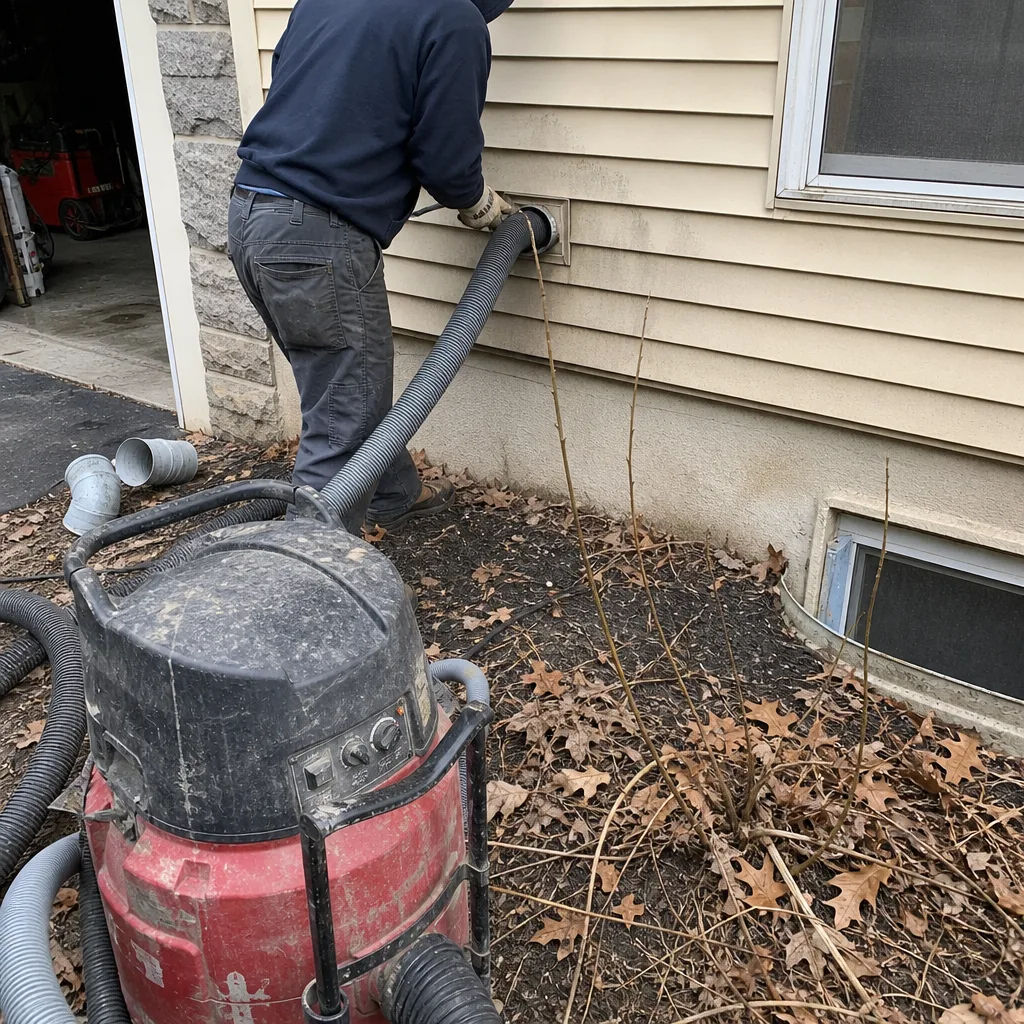 Before
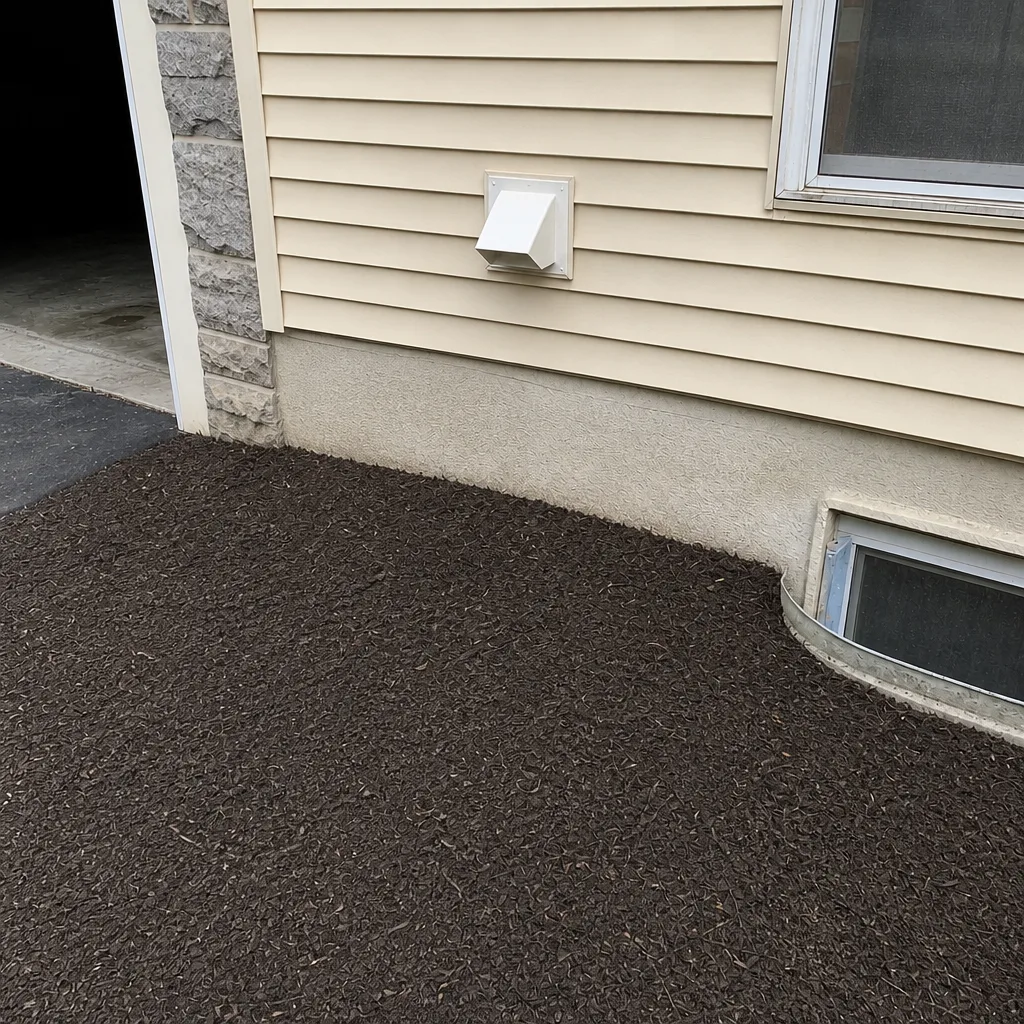 After
When to Call a Professional
Some situations clearly warrant a professional visit. A new home purchase with an unknown service history, especially when the previous owner had pets or smoked indoors. Recent renovation work – drywall dust and construction debris circulate through the system for months. Persistent allergy or asthma symptoms that don’t track to seasonal patterns. Visible dust streaks around supply registers, which often points to a leak at the fitting. A musty smell that returns a few weeks after the heating or cooling comes back on. A dryer that takes longer than it should to finish a load, which usually means a restricted vent. And a last cleaning you can’t verify – if there’s no report with photos, there’s no way to know what was actually done.
Air Duct Cleaning Somerton offers free estimates in Somerton. Call (833) 482-7267 to schedule. We answer 24/7, with fast dispatch from 7am to 7pm, Sunday through Friday.
Frequently Asked Questions
Most residential jobs land in the $350-$700 range for a single-family home, with larger homes, heavy contamination, or additional component cleaning running higher. The written estimate is what sets the final price, and it’s based on the number of runs, system size, and whether repair and sealing are needed. Call (833) 482-7267 for an exact quote – estimates are free.
Cheap quotes usually exclude the expensive parts of the work: negative-pressure equipment, air handler and blower cleaning, coil cleaning, and the time to properly seal joints. What’s left is register wiping and a light pass with a portable vacuum. It’s a partial job at a partial price. The final number on site is what to compare, and one flat price per system agreed before work begins is how we do it.
Ask for a written report with before-and-after photos of the interior duct surfaces, the return plenums, and the air handler – not just the register covers. The report should also list which components were cleaned and any condition issues found. A company that provides that level of documentation is showing its work. Call (833) 482-7267 – every job we handle includes it.
There’s no fixed interval. Homes with pets, recent renovations, or occupants with respiratory sensitivities typically need service more often than a low-traffic home. Most settled houses land in a multi-year cycle, with the adjustment made from the post-cleaning report. If the report shows light debris buildup, the next interval can be longer than if it showed heavy accumulation.
It can help when the cleaning addresses the full system – dust that settles in the ducts gets pulled into the air you breathe each time the blower runs. Cleaning the ducts while leaving the blower and coil dirty doesn’t help much, because the source is still there. The combination of full-system cleaning, sealed joints, and correctly sized filtration is what makes a measurable difference. Call (833) 482-7267 to talk through your situation.
Yes. Duct repair and sealing is part of the same scope, so leaks found during cleaning get handled while the equipment is already set up. In older Somerton homes, disconnected runs and dried-out taped joints are common, and sealing them improves both air quality and system efficiency. The written estimate covers both before we start.
The Bottom Line
Real air duct cleaning in Somerton is a system job, not a duct job. The difference comes down to equipment and scope: negative pressure from a machine like Abatement Technologies, rotary agitation from Rotobrush, thorough coverage from Nikro pressure systems, and cleaning of the five components beyond the duct runs – air handler, blower, coil, registers, and return plenums. Add duct repair and sealing on the same visit, and you’ve got a clean that holds. Add the dryer vent and correct filtration, and you’ve addressed the whole air pathway. One flat price per system, before-and-after photos, and a written report are how you verify it happened. That’s the standard worth paying for.
Ready to schedule an estimate? Call (833) 482-7267. We answer 24/7. Fast dispatch from 7am to 7pm, Sunday through Friday.
Written by the team at Air Duct Cleaning Somerton.