
Last updated November 25, 2026
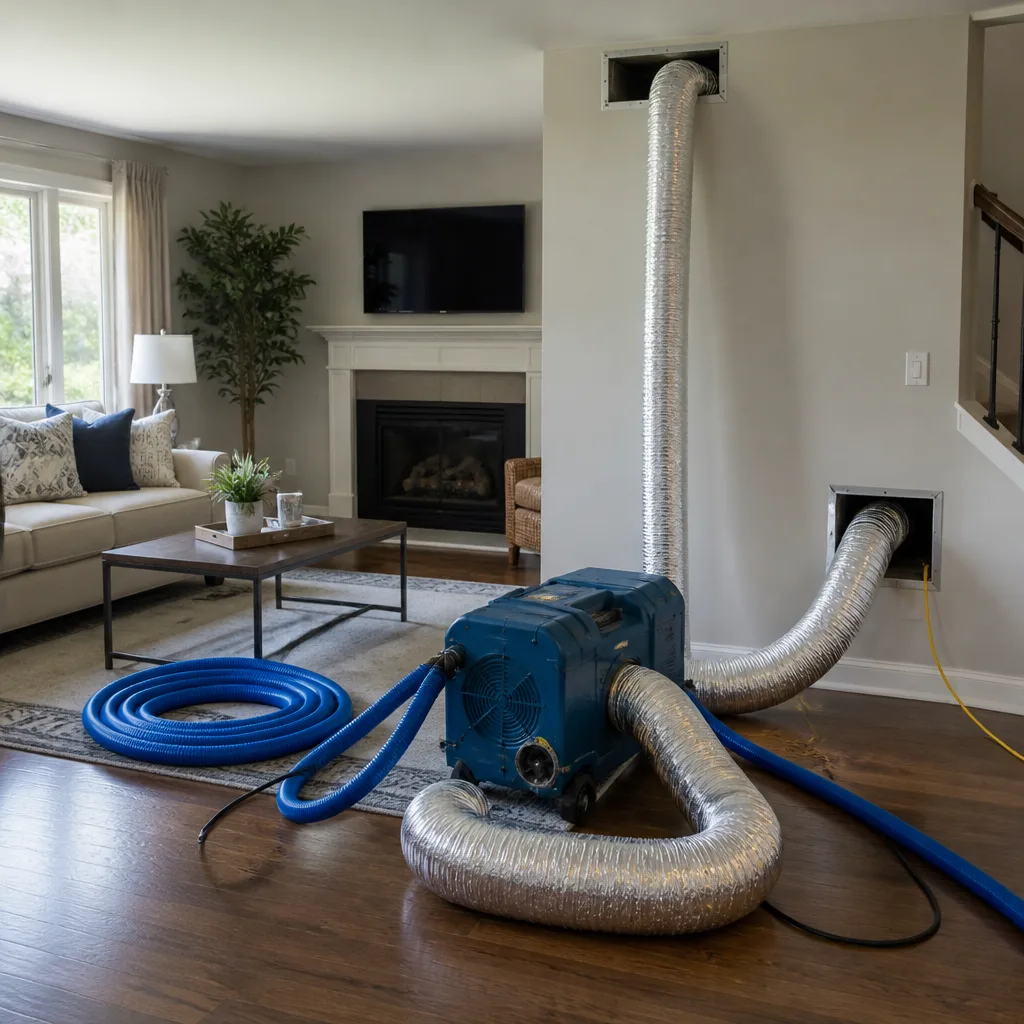 Whole-home duct cleaning
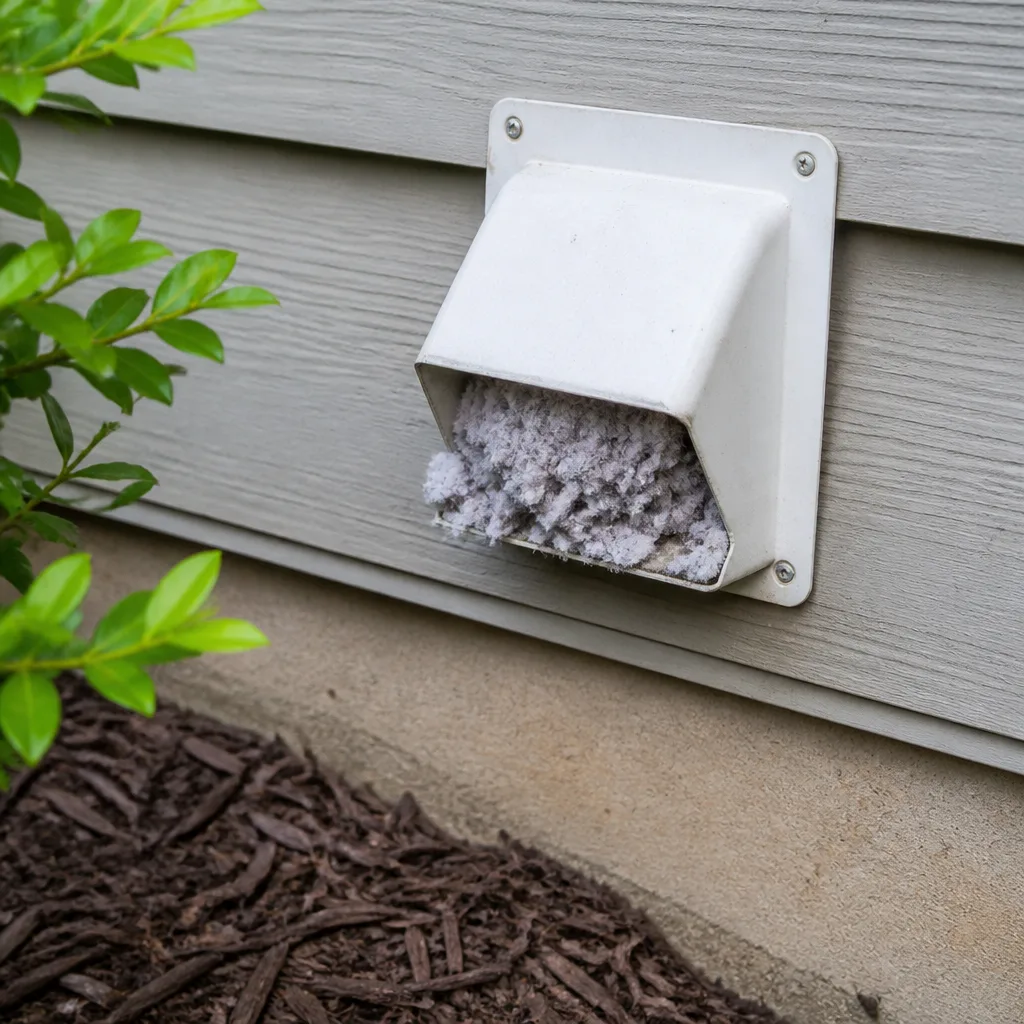 Dryer vent cleaning
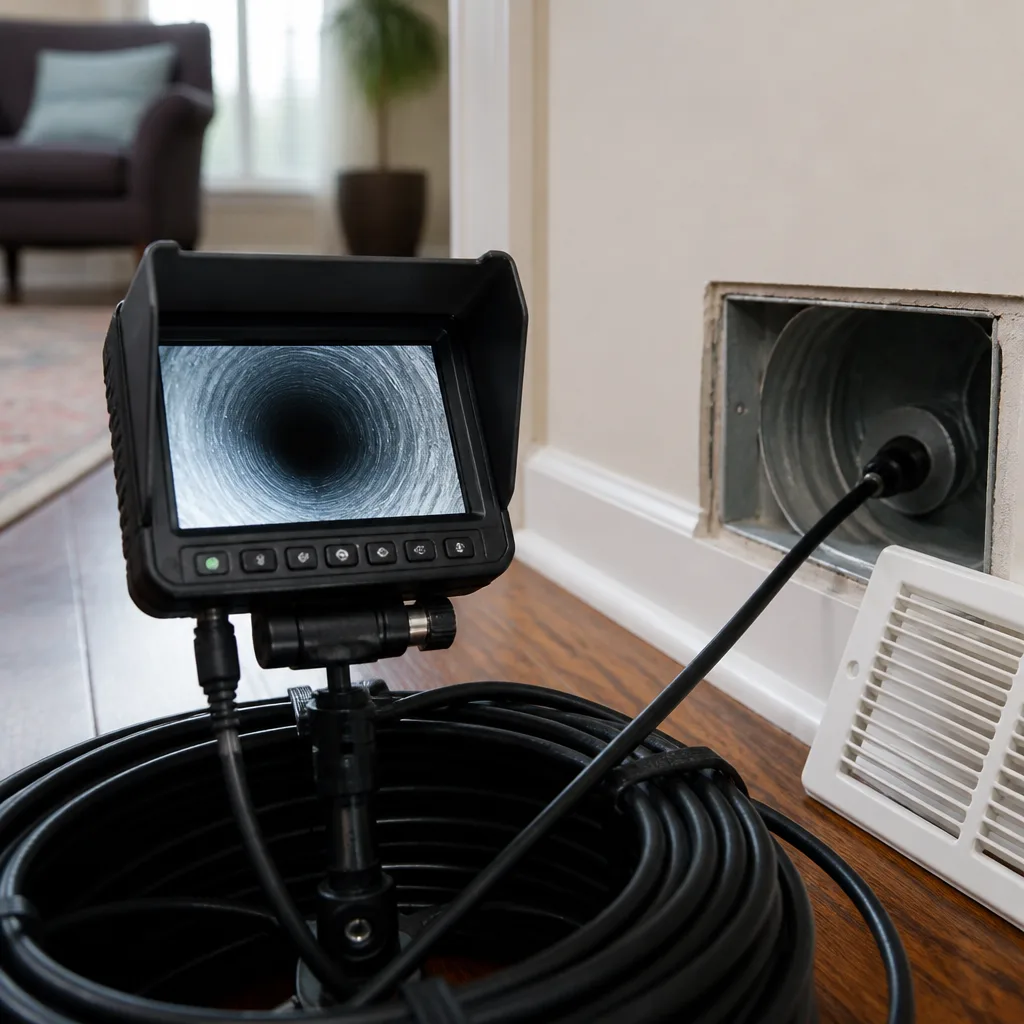 Camera inspection
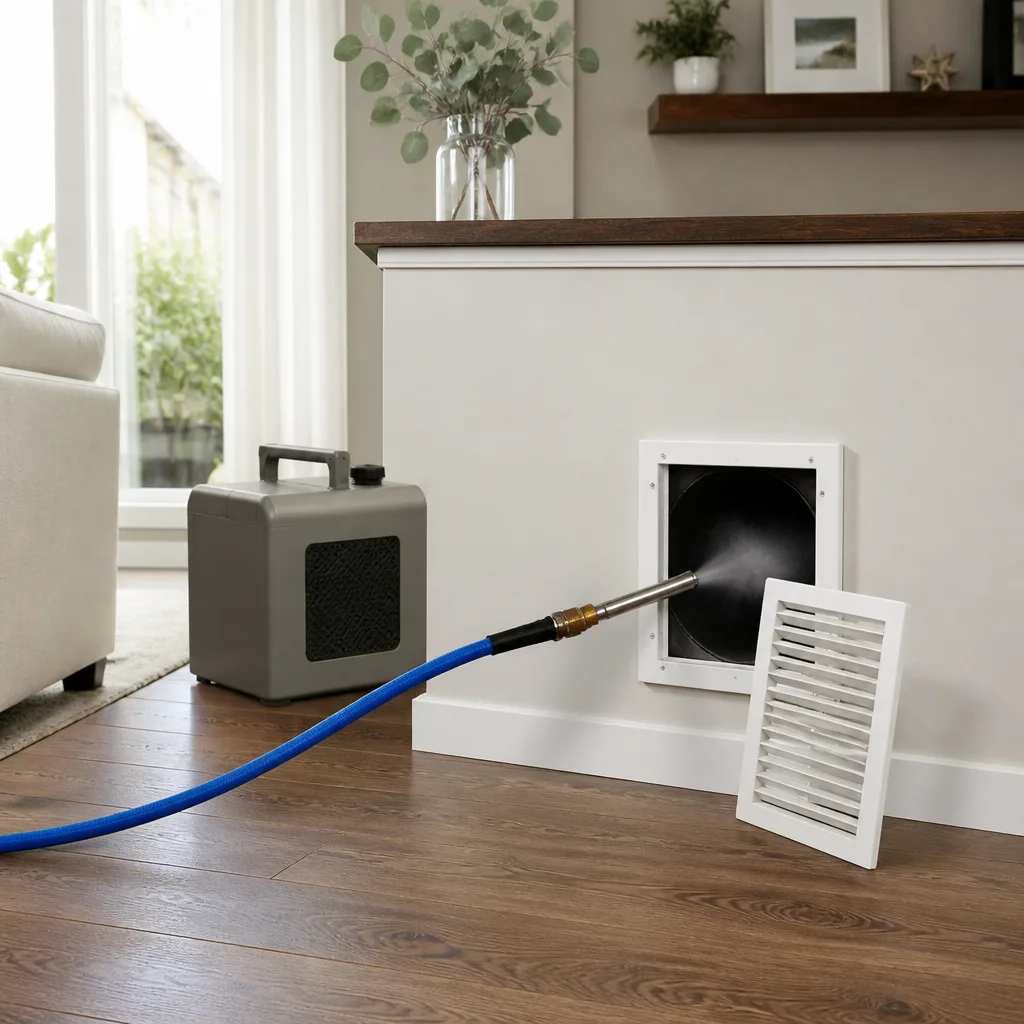 Sanitizing & deodorizing
Whole-system duct and dryer vent check with before-and-after photos - you see exactly what came out of your vents
That "$99 whole-house special" is a bait ad - the real number appears once they are in your hallway, or the "clean" is a shop-vac at the register. We photograph the inside of your ducts before and after instead.
How to Hire an Air Duct Cleaning Contractor in Somerton: A Step-by-Step Guide
Most homeowners hire a duct cleaner the same way they hire a plumber: they take the first quote that sounds reasonable and hope for the best. That approach works when you can see the finished product, like a repaired pipe or a working furnace. Air duct cleaning is different. The work happens inside a sealed system you’ll never look at yourself, which is exactly why this category draws more consumer complaints than almost any other home service. We wrote this guide for Somerton homeowners and property managers who want to hire on evidence instead of a coupon price. You’ll learn the three equipment questions that separate serious contractors from crews running consumer-grade gear, how to compare quotes on scope rather than price per vent, and what a legitimate post-service report should contain before you sign anything.
Quick Answer
To hire an air duct cleaning contractor in Somerton, ask three equipment questions upfront: what make and model vacuum collection unit they run, what its CFM rating is, and whether they use negative-pressure containment. A contractor who can answer those three questions in detail is running professional-grade equipment. A contractor who can’t, or who deflects to a low flat price, is a red flag. Compare quotes on scope of work and written report deliverables, not on price per vent.
Styles & brands we work with
- Whole-home duct cleaning
- Dryer vent cleaning
- Camera inspection
- Sanitizing & deodorizing
Table of Contents
- The Three Questions That Separate Pros from Pretenders
- What Equipment to Ask About (and Why It Matters)
- What NADCA Membership Actually Verifies
- How to Compare Quotes on Scope, Not Price
- Red Flags Specific to the Somerton Market
- What a Legitimate Post-Service Report Should Contain
- The Step-by-Step Hiring Process
- Common Mistakes to Avoid
The Three Questions That Separate Pros from Pretenders
Here’s the fastest way to sort contractors when you’re hiring in Somerton. Before you ask about price, ask about equipment. Any company that does this work at a professional level can rattle off three specific answers within seconds. Any company that can’t is either subcontracting the work or running gear that won’t do the job.
- “What make and model vacuum collection unit do you run?” A serious contractor names a platform: Rotobrush, Nikro, Abatement Technologies. These are contractor-grade systems designed for HVAC duct cleaning. If the answer is vague, like “we have a big vacuum” or “commercial equipment,” that’s a tell.
- “What’s the CFM rating of that unit?” CFM stands for cubic feet per minute. It measures how much air the vacuum moves and how much debris it pulls out of the system. A contractor who can cite a CFM range is working with equipment they understand. A blank stare means they’ve never thought about it.
- “Do you use negative-pressure containment while working?” This is the question most homeowners never ask. Negative pressure means the workspace is sealed so loosened dust and contaminants are pulled out, not blown into your living room. Abatement Technologies negative-air machines are the standard for this. If a contractor looks confused by the phrase “negative pressure,” that’s a hard no.
Ask these three questions by phone before you book any estimate. In our experience, the good ones answer without hesitation, and the bad ones get off the phone fast. That’s a useful filter on its own.
What Equipment to Ask About (and Why It Matters)
Air duct cleaning equipment comes in two tiers that look similar from a distance and behave nothing alike in your house. The consumer and low-end commercial tier includes shop vacuums with fancy hoses and rotary attachments that can’t sustain suction. The contractor tier includes systems built specifically to agitate, dislodge, and extract debris from the whole duct run.
Here’s the difference in plain terms. A rotary brush system like the Rotobrush platform sends an agitating brush head through each duct run, loosening what’s stuck to the walls, while the vacuum pulls material out. That’s an extract-and-remove process. A vacuum only pulls what’s loose on the surface. A shop vacuum with a hose taped to a register mostly stirs dust up.
The second piece that matters is containment. In a residential duct cleaning, the collection unit connects to the system, and every open register is either sealed or fitted with a covered extraction port. Without that containment, you’re paying for someone to move dust from the ducts into the air you breathe. This is why we use Abatement Technologies negative-air filtration during air duct cleaning, pulling air through HEPA-grade filtration while the system is open. The house doesn’t smell like dust when we leave.
Ask what equipment they’ll bring, then ask what happens to the loosened debris. The answer should be specific: extraction, filtration, containment.
What NADCA Membership Actually Verifies
NADCA stands for the National Air Duct Cleaners Association. It’s the trade body that publishes the ACR standard, the accepted industry standard for HVAC system cleaning. Many contractor websites slap a NADCA logo on the homepage and hope homeowners assume it’s a certification. Here’s what it actually means.
NADCA has two levels worth understanding. An association member pays dues and follows a code of ethics. An ASCS-certified firm (Air Systems Cleaning Specialist) has at least one staff member who passed an exam and whose firm meets specific standards. When you’re vetting a Somerton contractor, ask which one applies. A dues-paying member is better than nothing. An ASCS-certified firm is the stronger signal.
What NADCA membership doesn’t verify: the age, condition, or quality of the contractor’s equipment. It doesn’t guarantee a written report. It doesn’t guarantee the crew on the truck was trained on the system they’re using. So treat it as one data point, not the whole evaluation.
For Pennsylvania residential work, the more useful credentials are specific equipment manufacturer authorizations, verified insurance, and a willingness to put scope of work in writing before you sign. If the contractor sells or services air quality products from Honeywell or Aprilaire, that’s a sign they work within the HVAC ecosystem, not just as a one-time cleaning crew. Contractors who install filtration products end up caring about how the whole system performs because they get called back if it doesn’t.
How to Compare Quotes on Scope, Not Price
The cheapest per-vent price and the most expensive per-vent price often describe completely different jobs. That’s the trap. You think you’re comparing apples to apples because both say “$99” or “$299,” but the line items underneath are worlds apart. Here’s how to line up two quotes side by side.
- Number of returns and supplies covered. Some quotes exclude return ducts, or charge per register only. Ask how many runs are included in the base price and what happens if your house has more.
- HVAC unit and air handler. Does the quote include cleaning the blower compartment, evaporator coil housing, and A-coil area? Many don’t. HVAC cleaning of the air handler matters as much as the ducts.
- Vacuum collection unit. If the quote doesn’t specify the equipment, ask. A quote with a named system and CFM rating is a quote you can verify.
- Containment and filtration. Negative-pressure containment and HEPA filtration should appear as line items in any serious quote. If they’re not listed, ask if they’re included or if they’re an extra.
- Sanitizing. Whole-system sanitizing is a separate step from cleaning. It should be priced separately so you can decide whether to include it.
- Duct sealing. Some contractors find leaks and hand off to a separate company. Others do the dryer vent cleaning and sealing in the same visit. Ask whether sealing is included and what the criteria are.
- Post-service report. Does the quote include a written report with photos, or is that an upsell?
When you’ve lined up quotes this way, the picture usually flips. The $99 quote often covers eight registers, no containment, no air handler, no report, and no sealing. The $600 quote covers every run in the house, the whole air handler, containment with HEPA filtration, sanitizing, and a photo report. They aren’t competing on the same job.
Red Flags Specific to the Somerton Market
Air duct cleaning fraud is not evenly distributed across the country. Certain markets attract more door-to-door operations because the housing stock is older, the ducts are accessible, and the neighborhoods are dense. Somerton has all three, which means the local market gets more than its share of the door-hanger and postcard solicitations that are worth knowing about before they knock.
Door-to-door solicitation patterns. Real duct cleaning companies book estimates over the phone with scheduling windows. Crews that knock on doors in Somerton asking to “see your air ducts” or offering “a special just for today” are running a script, not a business. Ask for the company name and details in writing, then look them up before you let them past the door.
Perpetual $99 specials. A whole-house cleaning at $99 usually means one of two things: the scope was so narrow the job wasn’t really done, or the price is bait for an upsell. Ask what the $99 actually covers, register by register. If the answer is “up to 8 vents for the base price, but our technician will talk to you about the rest,” you know the base price isn’t the real price.
Upsell pressure during the job. A contractor who finds a legitimate problem should tell you the problem, describe the fix, and offer you a written change in writing before any extra work starts. A contractor who “discovers” an urgent mold problem mid-job and demands an immediate decision is using the same pressure tactics you’d expect in a different category altogether.
No physical address, no insurance certificate on request. A serious local contractor will provide proof of insurance when asked. If they can’t, that’s the end of the conversation.
No legitimate equipment to name. Cycling back to the opening thesis: if a contractor can’t tell you what CFM rating their collection unit runs at, they don’t have equipment worth paying for.
What a Legitimate Post-Service Report Should Contain
A written post-service report is the single best protection against bait-and-switch in this category, and it’s the item most homeowners forget to request. Here’s what to ask for, and to see in writing, before you sign the quote.
- Before-and-after photos of every duct run cleaned. Not just the worst one, and not just the register. Ask for photos from inside the ductwork at each run. “See what’s inside before and after” is a promise that only holds if you’re getting pictures.
- Equipment used, with make and model. Rotobrush, Nikro, Abatement Technologies. The report should state what was run in your system and what containment was in place.
- Register and return count. A list of which vents were cleaned and how many. If any were inaccessible, the report should say so.
- Air handler and coil cleaning confirmation. If the air handler was in scope, the report should confirm what was cleaned: blower, coil housing, drain pan if accessible.
- Sanitizing confirmation. If you paid for whole-system sanitizing, the product used and the areas covered should be listed.
- Leaks identified or sealed. If duct sealing was in scope, the report should note what was found and what was sealed.
- Filtration system status. Whether existing filters, or installed products like Guardsman or Aprilaire units, are performing to spec.
Request a sample report before booking. Not a template, a real one from a previous job with the customer’s identifying details removed. A contractor who does this work well keeps sample reports on hand because they’re proof of the process, not just proof of the invoice.
The Step-by-Step Hiring Process
Here’s the whole process in order, from first search to signed report. Follow it once and you’ll never hire on price alone again.
- Verify the local company, not just the website. Ask for the legal business name, physical address, and proof of insurance. A real Somerton or nearby contractor will provide these on request.
- Ask the three equipment questions by phone. Make and model of the collection unit, CFM rating, and whether negative-pressure containment is used. Note the answers.
- Ask about NADCA membership level. Dues-paying member is fine. ASCS-certified firm is better. Either is a useful signal, neither replaces the equipment questions.
- Book a free on-site estimate. A real estimate includes walking the system: how many returns, how many supplies, where the air handler is, whether there are visible leaks or disconnected runs.
- Compare quotes on scope. Use the line-item list in the previous section. If two quotes aren’t covering the same things, they aren’t comparable.
- Request the sample report. See what’s actually delivered at the end of the job before you sign anything.
- Confirm what happens the day of. Who’s arriving, what equipment they’ll bring, how containment is set up, how long the job is expected to run, and how the post-service report is delivered.
- Walk through the completed work. Registers are back on, air handler access panels are sealed, and you’ve seen the before-and-after photos. If something looks off, say so before the crew leaves.
That’s the whole playbook. Eight steps, all of them simple, none of them the kind of thing a coupon-bait contractor is going to welcome.
Common Mistakes to Avoid
- Comparing price per vent before comparing scope. A $15-per-vent quote with no containment and no air handler cleaning is not the same job as a $35-per-vent quote that includes both. Line up the scopes before you line up the prices.
- Booking the door-knock special. Duct cleaning is a scheduled, equipment-heavy service. It doesn’t get sold door-to-door any more than a roof replacement does. If someone shows up uninvited in Somerton with a special, politely decline.
- Skipping the containment question. Negative pressure is what protects your living space from the dust being loosened inside the system. Without it, you’re paying for someone to redistribute the problem.
- Not asking about duct sealing. The air handler and duct runs leak. Cleaning without sealing leaves a system that re-dirties itself. If a contractor doesn’t offer sealing, ask why.
- Overlooking the air handler. The furnace or air handler is where the blower sits. It also collects a lot of the debris. Cleaning every duct while leaving the air handler untouched is only half the job.
- Forgetting the dryer vent. A dryer vent that hasn’t been cleaned in years is a fire risk. Ask whether the vent is included or available as a standalone service. In Somerton homes with long dryer vent runs, that matters more than in houses where the dryer backs up to an exterior wall.
- Not requesting the post-service report before signing. Once you’ve signed and the crew has left, you have no leverage to request photos. Ask for the sample report while you still have a decision to make.
See the difference
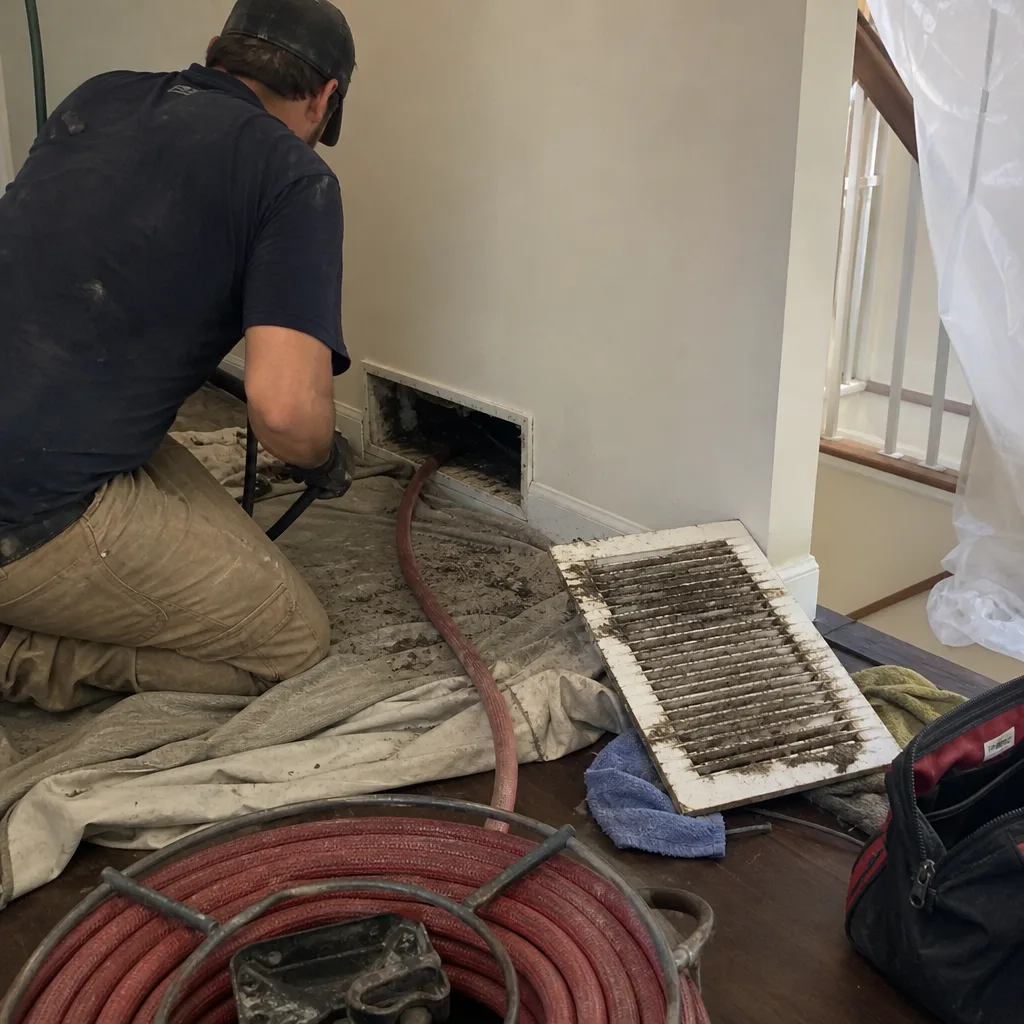 Before
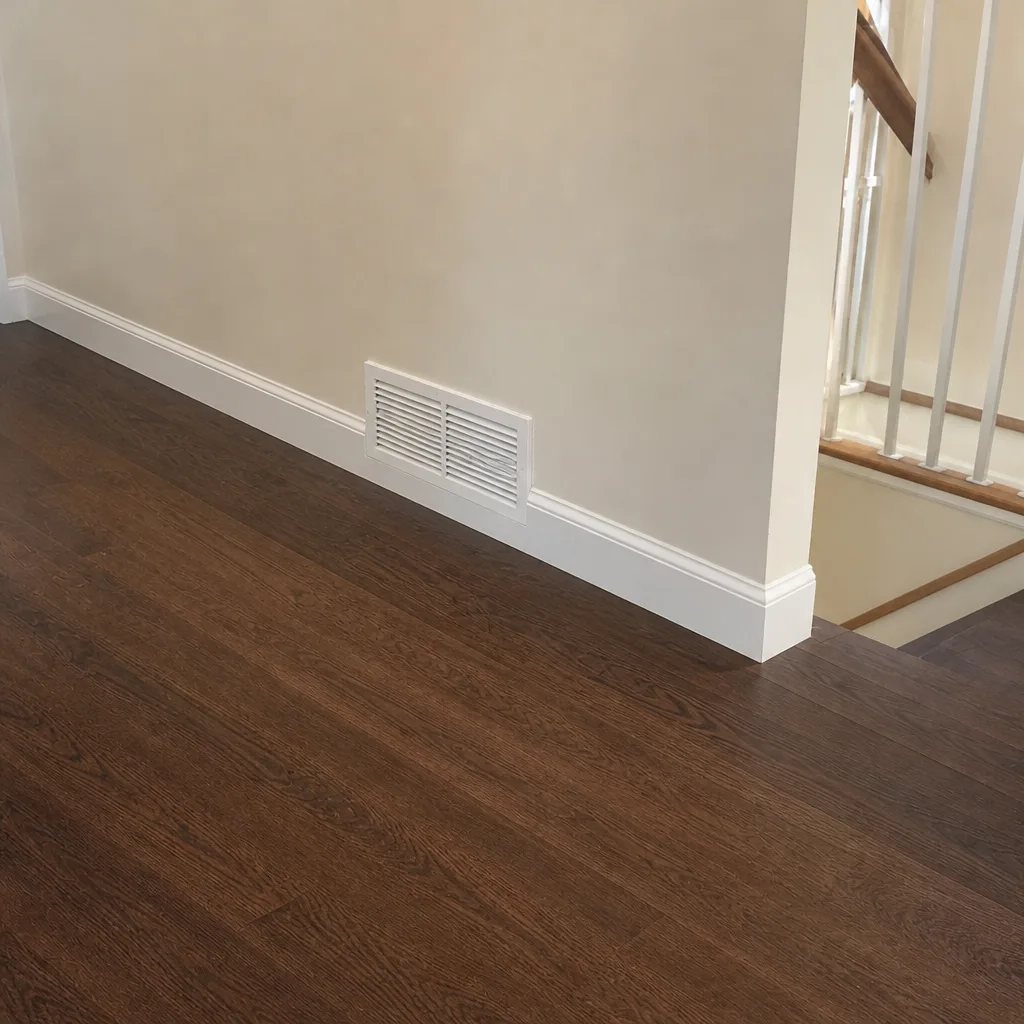 After
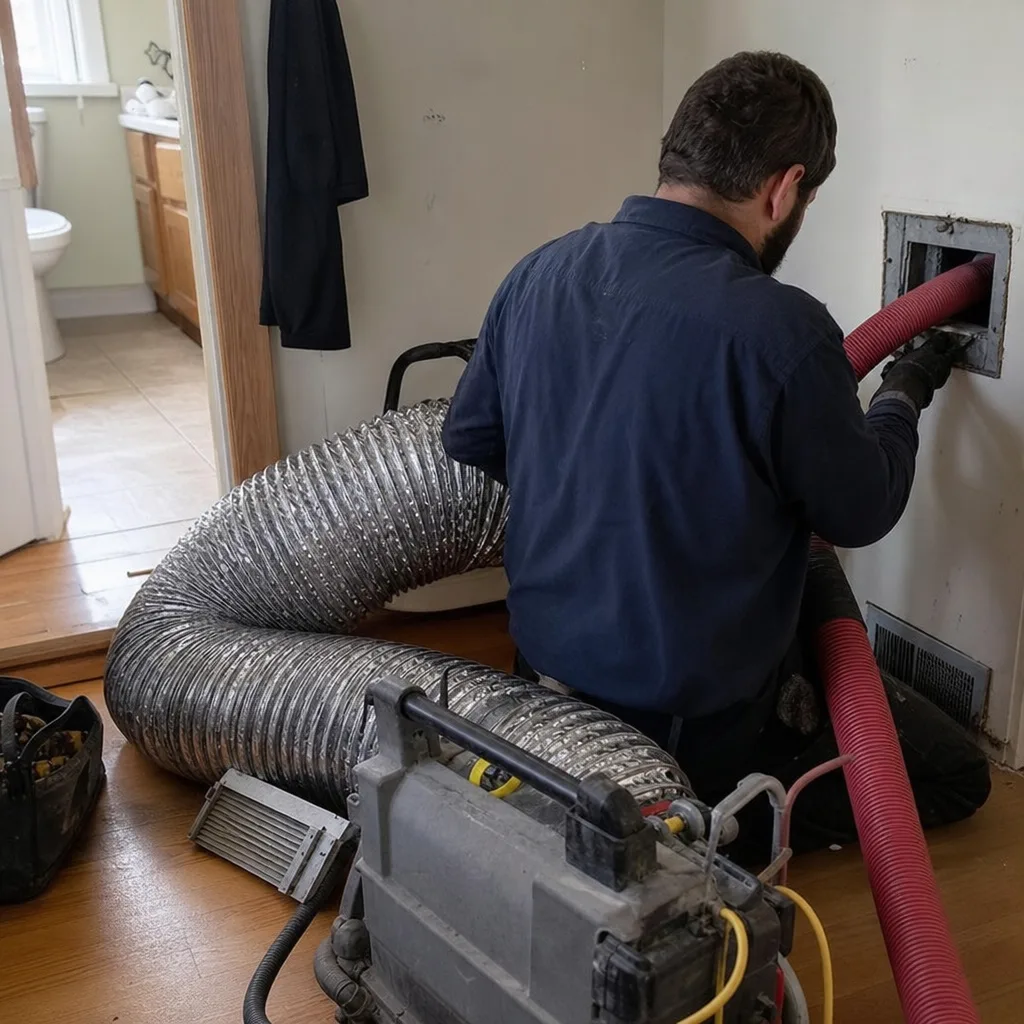 Before
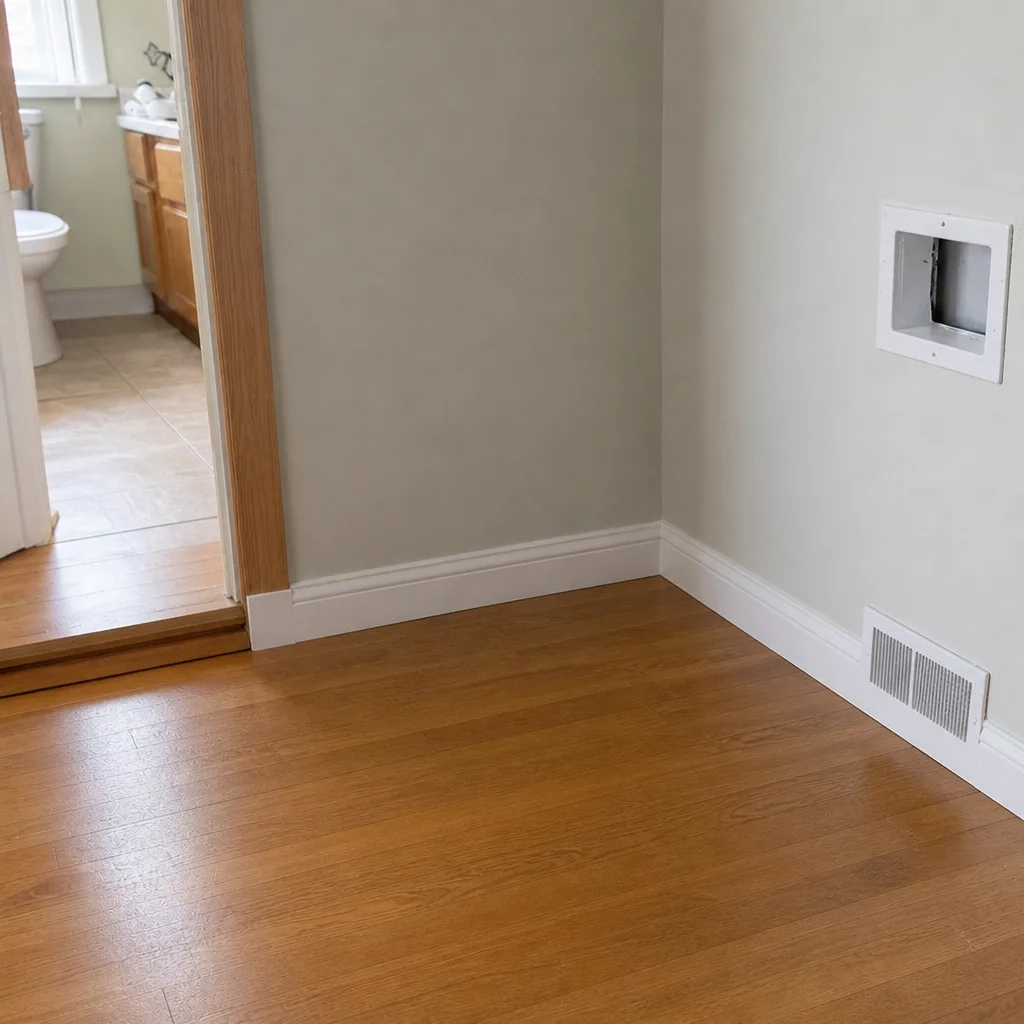 After
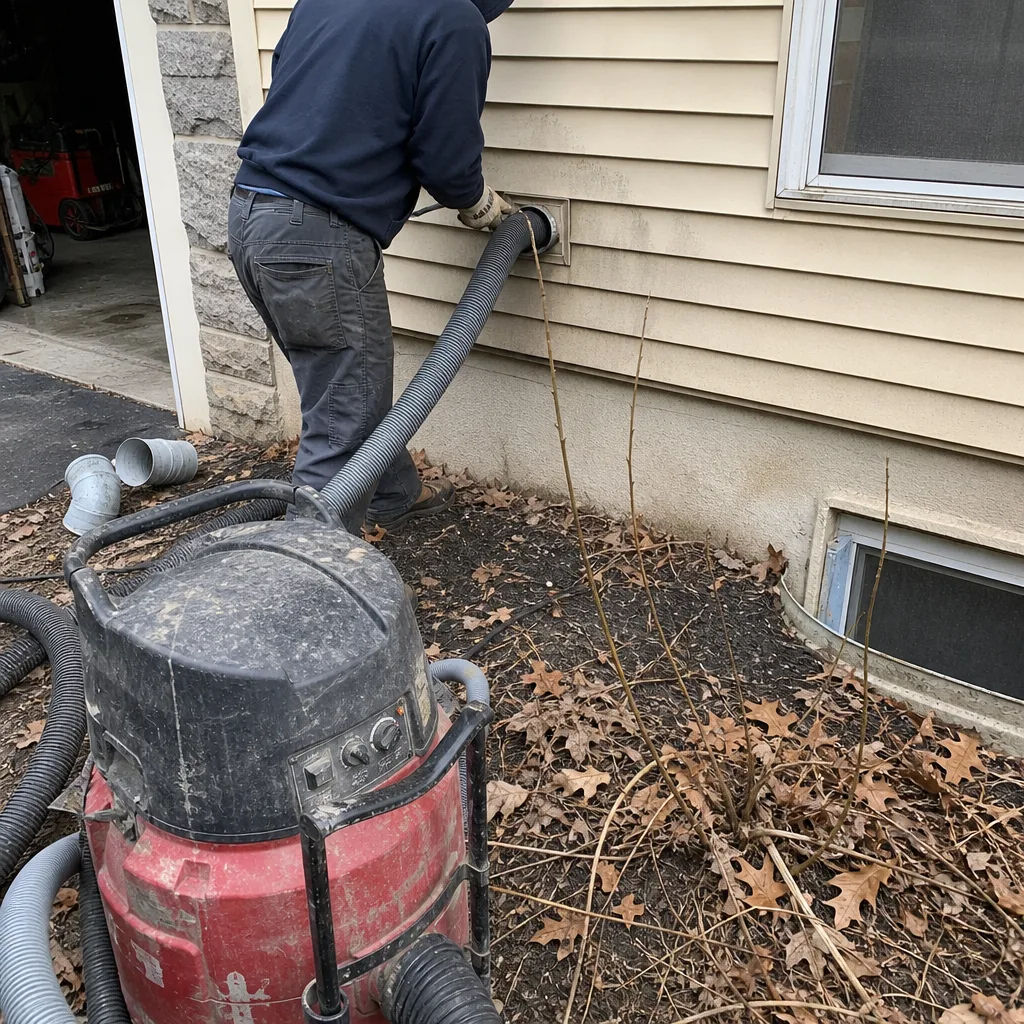 Before
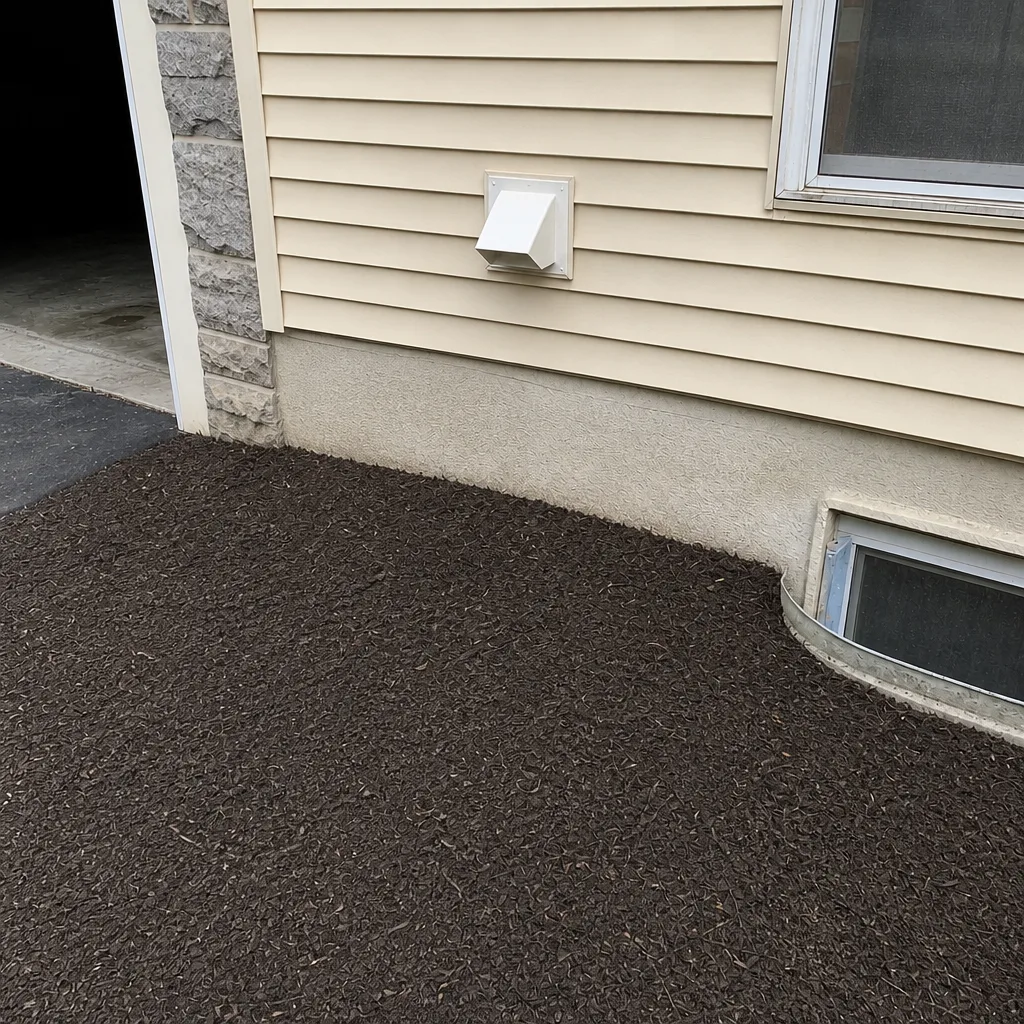 After
When to Call a Professional
Some homeowners are on a cleaning schedule and just need the next one booked. Others have a signal that something’s off: allergy symptoms that seem worse inside than outside, a musty smell that shows up the first few minutes the heat or air runs, inconsistent airflow between rooms, or visible dust puffing from a register when the system kicks on. Those are all signs the system needs investigating, and duct cleaning is one part of the answer.
Some cases are more urgent. A dryer vent has never been cleaned and the dryer now takes two cycles to dry a load. A renovation has finished and drywall dust is in the system. The house hasn’t had duct service in years and someone in it has developed respiratory sensitivity. In those cases, waiting isn’t saving money. Air Duct Cleaning Somerton offers free estimates in Somerton – call (833) 482-7267. We answer 24/7. Fast dispatch from 7am to 7pm, Sunday through Friday.
Frequently Asked Questions
A typical whole-house air duct cleaning in Somerton runs from a few hundred dollars for a smaller, straightforward system to roughly double that when the air handler, sanitizing, and duct sealing are included. The written estimate sets the final price. Air Duct Cleaning Somerton quotes one flat price per system before work starts, not a per-vent price. Call (833) 482-7267 for an exact quote. Estimates are free.
Cheaper quotes almost always describe a smaller scope. They may cover only supply vents rather than returns, skip the air handler, omit negative-pressure containment, or leave out the post-service report. That’s not the same clean. Ask the contractor what their $99 special actually covers, register by register, then compare it against a quote that covers the full system. Call (833) 482-7267 for a scope-based quote. Estimates are free.
Ask for a post-service report with before-and-after photos of every duct run cleaned, plus the equipment names and containment used during the job. A contractor who takes photos of their own work before and after is accountable for what they claim. Request a sample report before you book. Air Duct Cleaning Somerton provides photo documentation with every job. Call (833) 482-7267 to see a sample. Estimates are free.
For most Somerton homes, every three to five years is a reasonable interval, and it can be longer if the home has good filtration and no pets. Homes with pets, recent renovations, smokers, or allergy-sensitive occupants often need it more often. There’s no hard rule; the system tells you when it’s ready. Call (833) 482-7267 to talk through your situation. Estimates are free.
No. NADCA membership is a useful signal that a company subscribes to the industry’s standards and code of ethics, and ASCS certification is a stronger one. Neither verifies what equipment will show up at your door. Pair the membership question with the three equipment questions – make and model of the collection unit, CFM rating, negative-pressure containment – before you book. Call (833) 482-7267 for details on the equipment we run. Estimates are free.
Air duct cleaning addresses the HVAC system: supply and return ducts, the air handler, and the filtration products attached to it. Dryer vent cleaning is a separate service on the exhaust line from the dryer to the exterior of the house, and it’s a fire-safety service, not an air quality one. Lint buildup in a dryer vent is a leading cause of residential fires, so it deserves its own appointment. Air Duct Cleaning Somerton handles both. Call (833) 482-7267 for either. Estimates are free.
The Bottom Line
Hiring an air duct cleaning contractor in Somerton comes down to three things: asking the right equipment questions, comparing quotes on scope instead of price per vent, and requiring a written post-service report before you sign. Any contractor who balks at any of those three isn’t the contractor you want. Any contractor who answers them comfortably, in writing, is worth the estimate. The cheapest quote in this category usually isn’t the cheapest job. It’s the smallest scope with the biggest upsell waiting at the end of it. Skip the coupon, ask the questions, book the estimate.
Ready to book? Call Air Duct Cleaning Somerton at (833) 482-7267 for a free estimate. We answer 24/7. Fast dispatch from 7am to 7pm, Sunday through Friday. Our technicians have up to 13 years of experience, our vetted local pros are licensed and insured as their state requires, and we bring professional-grade Rotobrush, Nikro, and Abatement Technologies equipment to every job. Before-and-after photos come standard. Visit Air Duct Cleaning Somerton to learn more about how we work.
Written by the team at Air Duct Cleaning Somerton.