
Last updated November 25, 2026
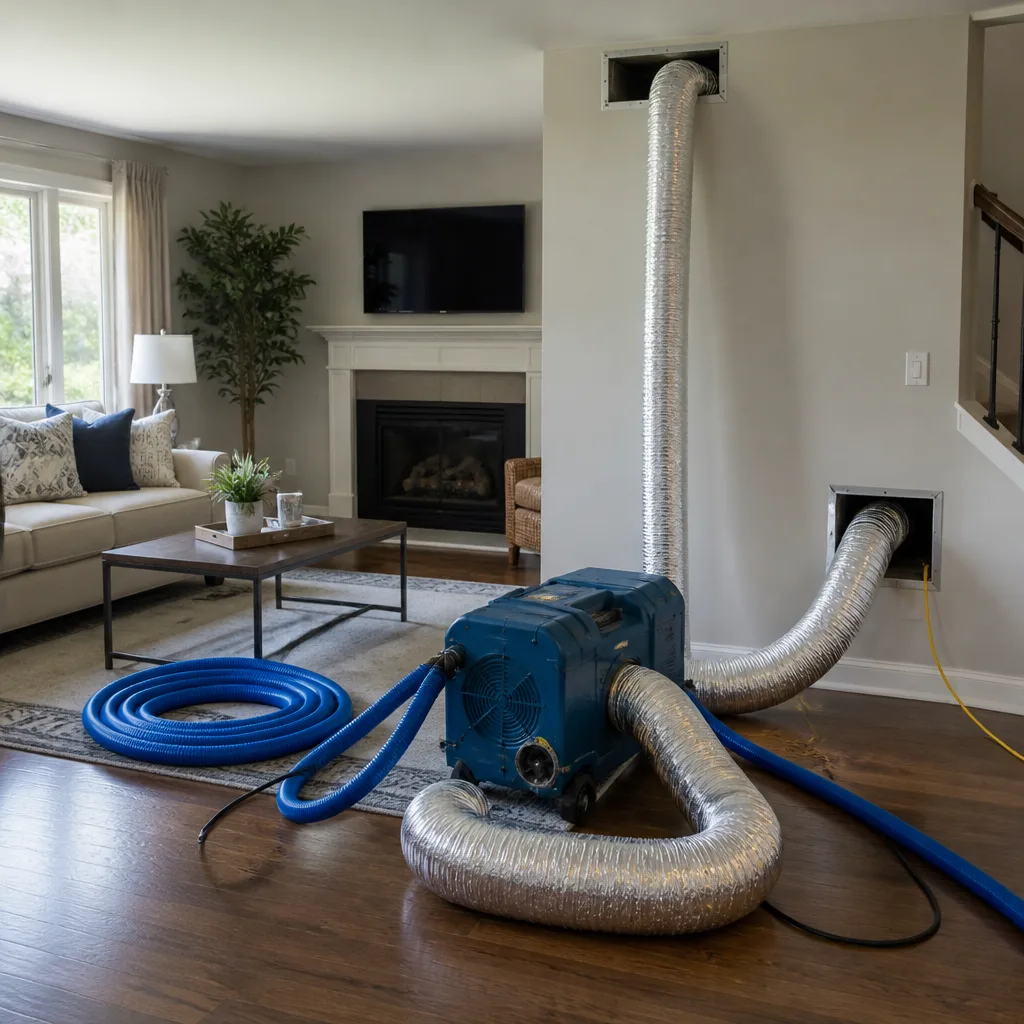 Whole-home duct cleaning
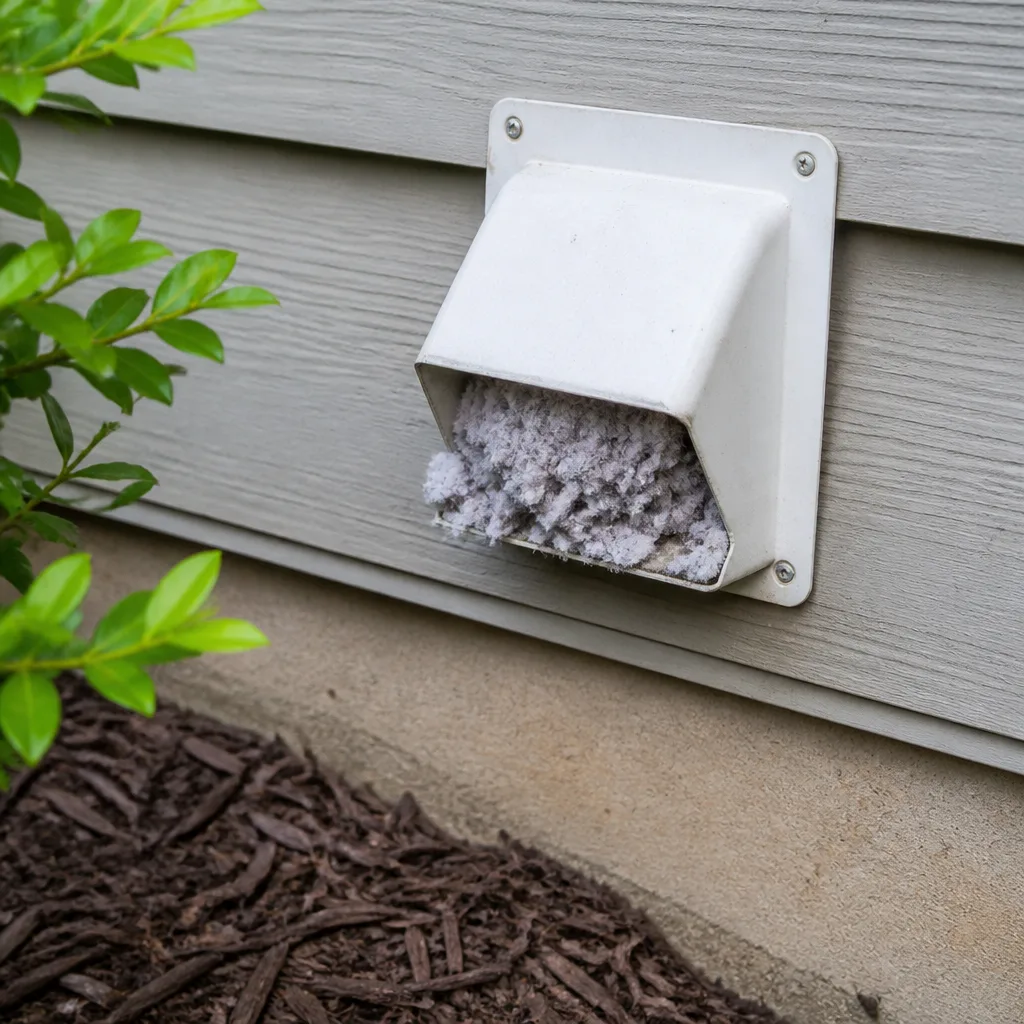 Dryer vent cleaning
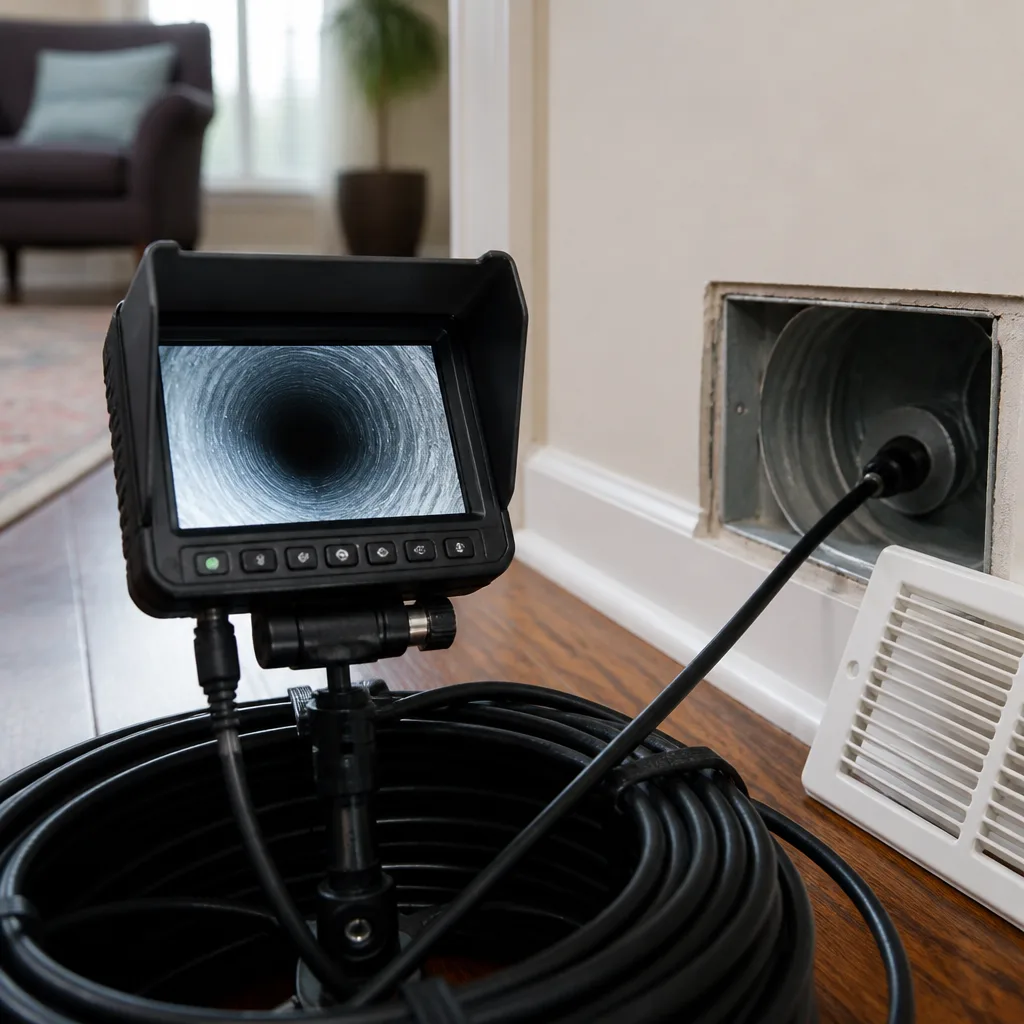 Camera inspection
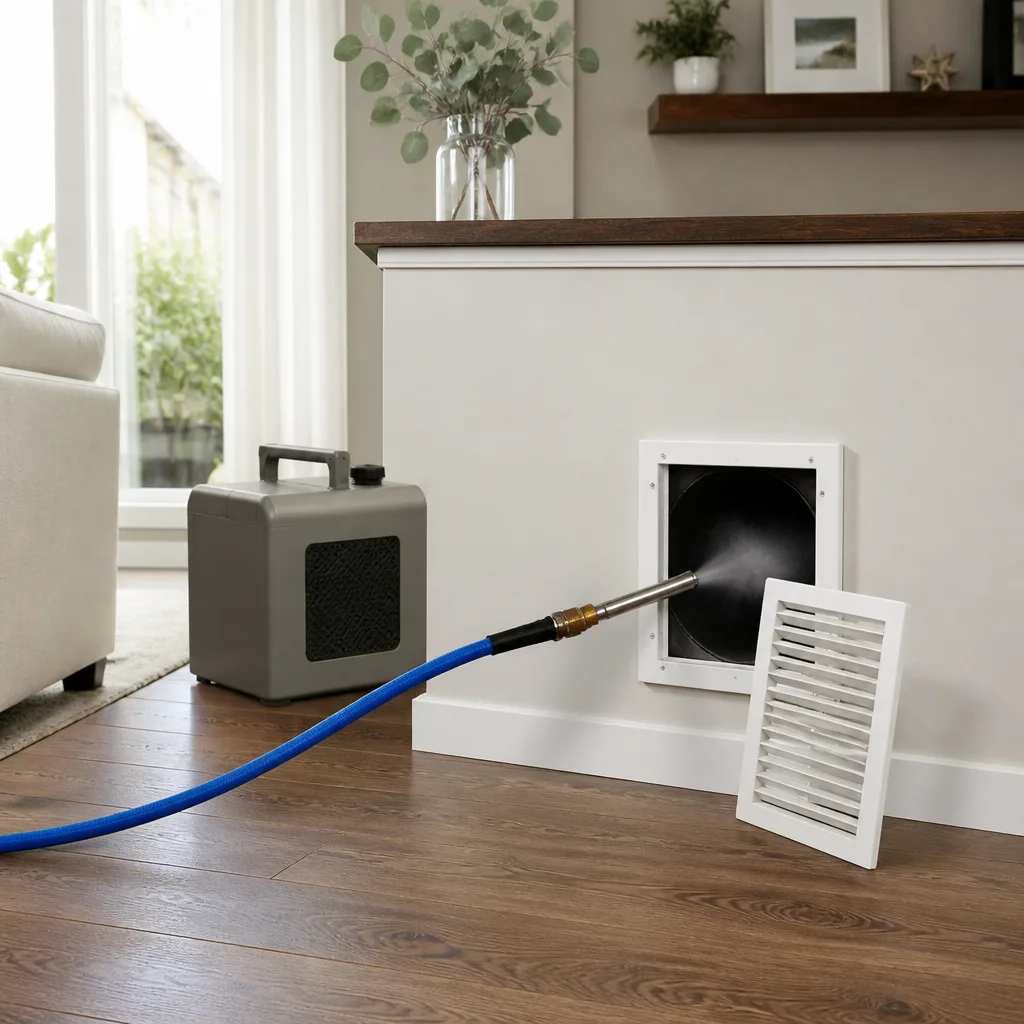 Sanitizing & deodorizing
Whole-system duct and dryer vent check with before-and-after photos - you see exactly what came out of your vents
That "$99 whole-house special" is a bait ad - the real number appears once they are in your hallway, or the "clean" is a shop-vac at the register. We photograph the inside of your ducts before and after instead.
DIY vs Professional Air Duct Cleaning: The Somerton Homeowner’s Decision Guide
Here’s the part almost nobody explains before you buy a brush kit online: cleaning ductwork isn’t about scrubbing. It’s about pressure. A contractor-grade Rotobrush system costs somewhere between $8,000 and $15,000 new. The closest thing at a hardware store costs about $60 and does something quite different – it knocks contamination off the duct walls and into the air your family is breathing. That equipment gap is the entire argument. This guide is here to show you exactly where the line sits for a Somerton home, what you can honestly handle yourself, and what genuinely needs professional-grade tools. No scare tactics, no upselling. Just the physics and the practical calls.
Quick Answer
Most Somerton homeowners can safely handle register cleaning, dryer vent lint removal, filter upgrades, and a visual camera inspection themselves. Anything involving the main trunk lines, branch runs, the blower compartment, or visible mold growth needs professional equipment because consumer vacuums – including shop vacs – cannot create the negative air pressure that keeps loosened debris from recirculating through the house. If your ducts haven’t been serviced in several years and you’re seeing dust patterns or smelling mustiness, book a pro; if it’s one clogged vent or a lint-packed dryer line, DIY is a reasonable call.
Styles & brands we work with
- Whole-home duct cleaning
- Dryer vent cleaning
- Camera inspection
- Sanitizing & deodorizing
Table of Contents
- The Equipment Gap: What Hardware Stores Don’t Sell
- The Physics of Negative Air Pressure
- What Somerton Homeowners Can Legitimately Do Themselves
- DIY Cost vs. Professional Cost in Somerton
- The Hidden Costs of an Incomplete DIY Clean
- When DIY Is Actually the Right Answer
- How to Tell if a “Professional” Is Using Professional Equipment
- Why Somerton Homes Specifically Need a Real Clean
The Equipment Gap: What Hardware Stores Don’t Sell
Walk into any home improvement store in the Somerton area and ask for duct cleaning equipment. You’ll be shown shop vacuums, brush attachments, and maybe a flexible wand. All of it is built for surface work. None of it is built for ductwork.
A real duct cleaning setup has three components that work together:
- An agitation tool – rotary brushes on a flexible whip, like the Rotobrush platform, that physically dislodge buildup from duct walls at controlled speed.
- A high-volume negative air machine – the extraction side, pulling the loosened debris into a HEPA-filtered containment unit rather than letting it drift downstream.
- Negative-pressure containment – Abatement Technologies negative-air equipment that keeps the entire working zone under vacuum so contamination doesn’t escape into the living space while the job is in progress.
Those three pieces are why professional technicians can clean a system without turning your Somerton living room into a dust cloud. A shop vac running at 5 horsepower tops out around 200 cubic feet per minute. A professional negative-air machine moves multiples of that and holds it through a HEPA filter bank. Rotobrush systems are the platform most working duct cleaners use across the country; Nikro equipment is built to meet NADCA-recognized standards for HVAC cleaning. Neither is available at retail. That’s not a marketing gap – it’s a design gap. The equipment exists because the job can’t be done without it.
Our technicians have up to 13 years of experience working with these tools, and we’ve watched a lot of homeowners try the DIY route first. The results are consistent: registers look cleaner, ducts don’t.
The Physics of Negative Air Pressure
Duct systems are enclosed pathways. When they’re running, air is pushed through them at pressures measured in fractions of an inch of water column. To clean a duct, you have to flip that relationship – hold the whole system under vacuum so anything you dislodge gets pulled toward the machine, not toward the rooms.
Here’s the problem with consumer equipment: a shop vac creates local suction at the nozzle, but it doesn’t pressurize the entire system. The moment you stop brushing, any debris that got loosened but didn’t make it into the vacuum settles back on the duct walls. Worse, if the HVAC system happens to cycle on during your cleaning, the blower pushes that loosened material straight into the supply registers and out into the rooms.
Professional cleaning reverses the pressure gradient across the whole system. The negative-air machine hooks to a main trunk line and keeps the system under vacuum from start to finish. Every register, every branch run, every return – all of it sits at slightly reduced pressure while agitation tools work through the runs. Debris has one direction to go: into containment.
This is also why professional duct cleaning takes hours rather than minutes. You have to work register by register with the vacuum running continuously, agitating each run, and verifying flow. It’s a process, not a sweep. For more on how Air Duct Cleaning Somerton approaches the full pathway, our service overview walks through the sequence from main trunk to register boot.
One practical note for Somerton homeowners: our region runs humid in summer and dry in winter, so duct systems here see more seasonal expansion and contraction than you’d get in a stable climate. That cycling loosens joints and particle buildup over time. It doesn’t make DIY cleaning more dangerous, but it does mean buildup in a Somerton home is often more distributed across the system than in a milder climate, which makes whole-system cleaning more important.
What Somerton Homeowners Can Legitimately Do Themselves
There’s real work you can do. The trick is staying on your side of the line.
1. Clean the registers and return grilles. Pop the cover off (usually a couple of screws or a hinge catch), wash it in a utility sink with dish soap, dry it fully, and vacuum the boot mouth with a crevice attachment. Do this for every register you can reach. It’s safe, it’s fast, and it makes a visible difference.
2. Clean your dryer vent. This one actually matters for safety. Lint buildup in a dryer vent line is a leading cause of residential fires, and it’s a job you can do with a vent brush kit and a shop vac. Steps:
- Unplug the dryer and pull it away from the wall.
- Disconnect the vent duct at the back of the dryer.
- Use a vent brush on a flexible rod to scrub the duct run from the dryer side and from the exterior vent flap side.
- Vacuum out loosened lint at both ends.
- Reconnect, check that the exterior flap opens freely when the dryer runs, and confirm strong airflow at the outside vent.
If your dryer vent run is long, has multiple elbows, or terminates on a roof, DIY gets difficult fast. That’s where scheduled dryer vent cleaning is the safer choice.
3. Upgrade filters. A pleated filter in the MERV 8 to MERV 11 range is typically the sweet spot for residential systems. Higher MERV ratings filter more but can strain airflow; check your HVAC manufacturer’s recommended rating before going up. Change it on schedule – monthly during heavy-use months, every three months otherwise.
4. Do a visual camera inspection. Inexpensive USB borescope cameras are available now and can be snaked into a return duct to check for visible buildup, moisture, or pest activity. This is diagnostic only – what you see informs whether you should call a pro, not whether you can clean it yourself.
5. Seal obvious register leaks. If you can feel air escaping around a register boot where it meets drywall, a bead of foil tape or duct mastic closes it. Duct sealing on the trunk lines and interior runs needs professional tools, but register-level gaps are often DIY-friendly.
Everything else – trunk lines, branch runs, the air handler cabinet, the evaporator coil area – sits on the professional side. Not because you’re not capable, but because you don’t own the equipment.
DIY Cost vs. Professional Cost in Somerton
Let’s put numbers on both sides. The honest comparison isn’t “cheap vs. expensive” – it’s what you actually get for what you spend.
- Consumer duct brush kit: roughly $30 to $80
- Shop vac (if you don’t own one): roughly $60 to $150
- MERV 8-11 filters: roughly $15 to $40 each
- USB borescope camera: roughly $25 to $60
- Dryer vent brush kit: roughly $20 to $50
- Total DIY entry cost: roughly $150 to $380
That’s the visible cost. What you don’t get is the pressure. You’ll spend the same $150 to $380 as the entry cost of a professional job, do a fraction of the workspace (registers only), and still need professional cleaning if your system actually has buildup.
Professional whole-system cleaning in the Somerton area typically runs a flat price per system agreed before work starts, quoted per job by written estimate rather than per vent. That flat pricing matters – it removes the bait-and-switch risk of a low coupon price that balloons once a technician is on site. We quote by system because systems differ enormously in size, run length, and access difficulty. A small single-story colonial and a 3,000-square-foot split-level aren’t the same job, and pricing them as if they were is how the industry earned its bad reputation.
Add the cost of a second visit if the first attempt was incomplete – which happens often when homeowners clean registers and think they’ve cleaned ducts – and DIY can end up costing more than going professional from the start. The professional side also gives you verified removal, before-and-after photos of your own ducts, and the option to bundle duct sealing on the same visit. Our air duct cleaning page details what a typical service includes.
The Hidden Costs of an Incomplete DIY Clean
There’s a scenario we see in Somerton homes that surprises people: a homeowner does a careful DIY pass on their registers, sees cleaner grilles, and decides the system is clean. Three months later the musty smell is back.
Here’s what happened. Registers are the last 8 to 12 inches of a duct run. Behind each register boot is a branch run – often 10 to 30 feet of sheet metal or flex duct – and behind all of that sits the main trunk and air handler. Contamination accumulates all along that path, not just at the visible ends. Clean the register, and you’ve cleaned the doorway, not the hallway.
The hidden costs that trip people up:
- Repeat service later. The pro job you eventually book costs the same as it would have. You’ve just paid the DIY cost first.
- Aggravated allergy symptoms. If loosened dust is pushed back into the airstream instead of extracted, indoor air quality can actually get worse in the short term. That’s a real trade-off for households with allergy or asthma concerns.
- Coil contamination. Debris pulled toward the evaporator coil during the next cooling cycle sticks to the wet coil surface, insulating it and reducing efficiency.
- Filter overload. Loose debris catches in the filter faster, meaning more filter changes and more filter cost.
The one that surprises people most is the coil. Once contamination saturates a coil, cleaning it is a separate professional service. The chain from “cleaned my registers” to “now I need coil cleaning” isn’t a scare tactic – it’s the physics of what happens when debris ends up inside an operating system rather than in a containment bag.
When DIY Is Actually the Right Answer
We’re not going to pretend every home needs professional duct cleaning. Here are the situations where the DIY path is the sensible one:
- Single vent obstruction. One register is blowing weak or nothing at all. Pull the register, use a camera to look up the branch, and if there’s a clear blockage you can reach (a plastic bag, a toy, insulation fragments), remove it and reseat the register. No professional needed.
- Lint blockage in a short dryer vent. If your dryer vent is straight, under 15 feet, and terminates at a wall flap, a vent brush kit and shop vac handle it well. Do it once or twice a year.
- Register-level surface cleaning. Washing registers and vacuuming the boot mouth is a reasonable seasonal task. It won’t clean your system but it makes a visible difference.
- Filter upgrades and schedule. A filter upgrade is one of the highest-return indoor air quality improvements you can make. Use the highest MERV your system manufacturer recommends and change it on schedule.
- Diagnostic camera inspection. If you’re uncertain whether professional cleaning is needed, a borescope view of a return duct gives real information. If you see visible mold growth, standing moisture, or heavy debris fields, that’s a “call a pro” answer.
Outside of those five, the equation tips toward professional service – not because DIY is dangerous, but because it can’t reach the places that matter. Whole-system contamination, off-season unused ductwork collecting buildup, post-renovation dust infusion, and pest activity inside duct runs all need professional extraction equipment. If you’ve just finished a major remodel in Somerton, that dust had to go somewhere, and it went into your return ducts.
How to Tell if a “Professional” Is Using Professional Equipment
Not every contractor charging contractor prices is bringing contractor equipment. Some outfits arrive with a shop vac and a brush wand, run a wand down the first ten feet of each visible branch, and call it cleaning. Here’s how to filter them out before they show up.
Ask three direct questions when you call:
- What negative-air equipment do you use? The answer should name a brand or type – Abatement Technologies, HEPA-filtered negative-air unit, or equivalent. If the answer is “we have a really strong vacuum,” that’s a red flag.
- What agitation tool do you use? Rotobrush, Nikro, or a named rotary brush system. A wand-and-brush conversation isn’t the same thing.
- Will I receive before-and-after photos of my own ducts? Any service serious about its process will document what was there and what came out. Vague answers here mean you won’t get transparency.
Two more things to look for in the quote itself:
- System-based pricing, not per-vent pricing. Per-vent pricing is how a low teaser becomes a large invoice. A flat price per system quoted by written estimate removes that mechanism.
- Full-system scope. A real professional service includes the air handler and the return path, not just the registers. If the quote names only “ducts” without mentioning the air handler, ask what the scope covers.
Air Duct Cleaning Somerton runs Rotobrush rotary brush systems, Nikro extraction equipment, and Abatement Technologies negative-air containment on every job. We also service HVAC cleaning as a bundled scope so registers, ducts, and the air handler are done as one system. And because we know what proper cleaning looks like from the inside, we’re comfortable letting the photos do the talking.
Why Somerton Homes Specifically Need a Real Clean
Somerton sits in the Philadelphia suburbs, and that location shapes how duct systems age here in a few specific ways.
First, housing stock. Much of Somerton’s residential inventory dates from the mid-to-late 20th century. Duct systems in homes of that era were often installed with more flexible connections and less sealing than modern practice, which means Somerton ducts tend to leak more into unconditioned space than newer systems. Those leaked pathways also collect debris and can pull in unfiltered air from attics, crawlspaces, and garages. That’s a real reason duct sealing matters so much here – and why we bundle it as part of a clean rather than handing it off.
Second, seasonal cycling. Somerton gets the full four-season swing. That means duct systems see both heating and cooling loads, and the associated expansion, contraction, and pressure changes that come with them. Flex duct in particular loosens at fittings over time, which creates gaps that catch debris. Professional cleaning with negative pressure through those runs pulls material out; DIY register cleaning leaves it in place.
Third, humidity swings. Summer humidity in the Somerton area can be substantial, and that drives moisture into duct systems that don’t drain well. Moisture plus dust equals biological growth risk. If you’re noticing a musty basement-like odor at your supply registers, that’s the smell to take seriously. Sanitizing after cleaning is a step we take on systems where odor is a factor, and it’s part of the full-scope service.
Finally, dryer vent risk. Somerton’s tall-sided homes and multi-floor layouts sometimes have long dryer vent runs with elbows and vertical sections that trap lint faster than short direct runs. That’s a fire risk homeowners should treat as urgent, not optional. Our dryer vent cleaning service treats it that way.
Common Mistakes to Avoid
- Cleaning registers and calling it done. Registers are the visible 5% of the system. Whole-system contamination lives in the trunk lines and branch runs you can’t see. You’ll feel productive and still have dirty ducts.
- Running the HVAC blower during DIY duct work. If the fan cycles on mid-cleaning, loosened debris goes straight into your living space. Turn the system off at the thermostat before starting any duct work.
- Using a shop vac as a “duct cleaning vacuum.” It’s better than nothing at the register boot, but it can’t hold a duct system under vacuum. Loosened contamination settles back onto duct walls within minutes.
- Booking on price alone without asking about equipment. A very low flat price is often the sign of a shop-vac-and-wand outfit, not a professional-grade crew. Ask the three equipment questions before you book.
- Skipping dryer vent cleaning because it “isn’t air quality.” Dryer vents are a leading cause of residential fires. It’s safety work, not an upsell, and Somerton homes with long vent runs especially need it scheduled.
- Going above your manufacturer’s MERV rating. A MERV 13 filter in a system rated for MERV 8 creates airflow restriction that strains the blower. More filtration isn’t automatically better.
- Ignoring musty odor at the registers. Odor usually means moisture somewhere in the system. Cleaning without drying the source doesn’t fix the problem; it just resets the clock.
See the difference
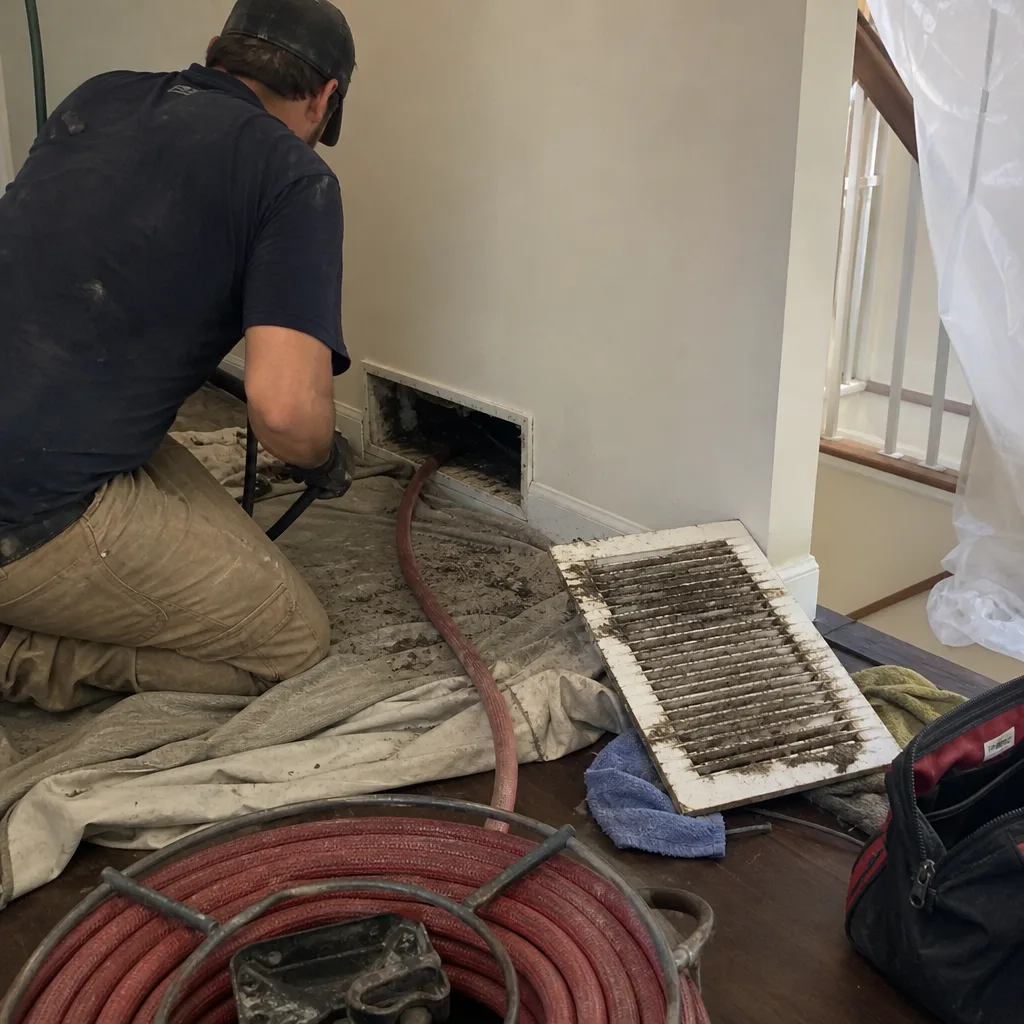 Before
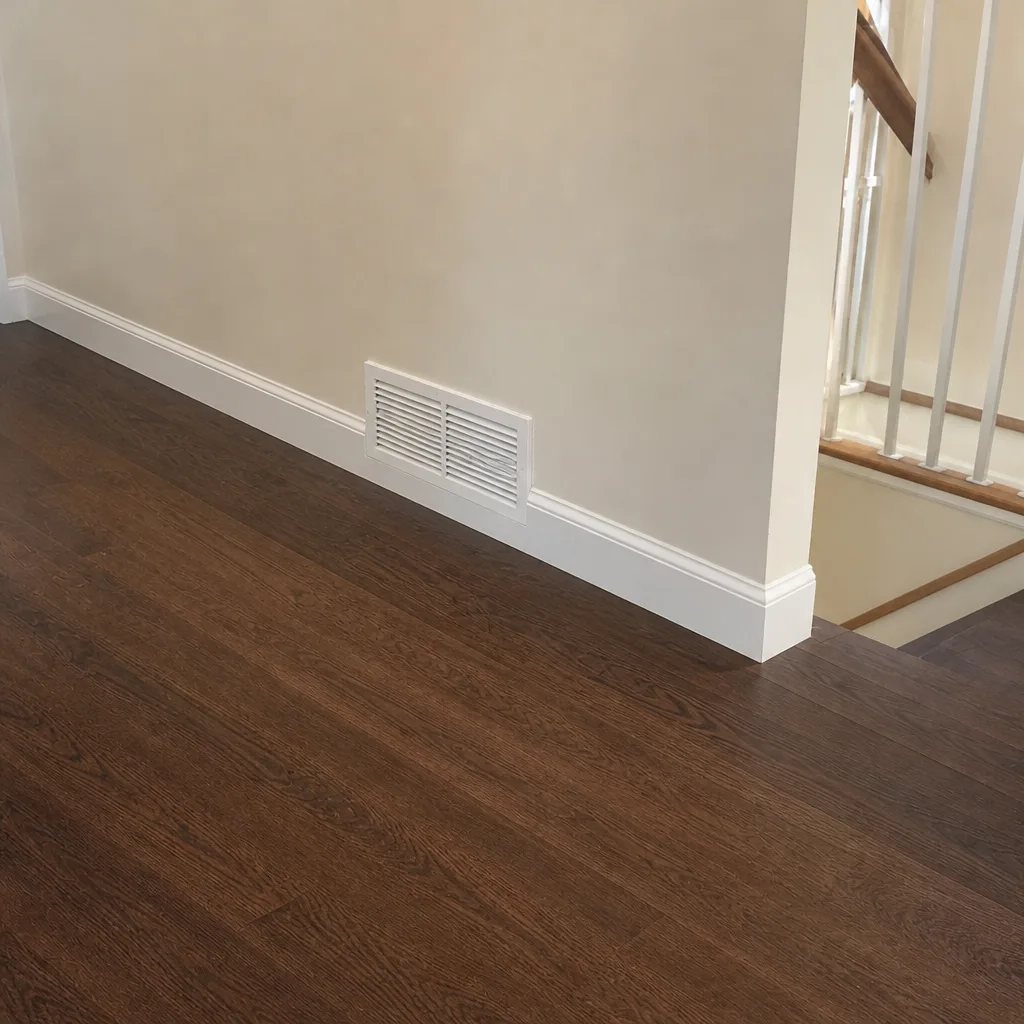 After
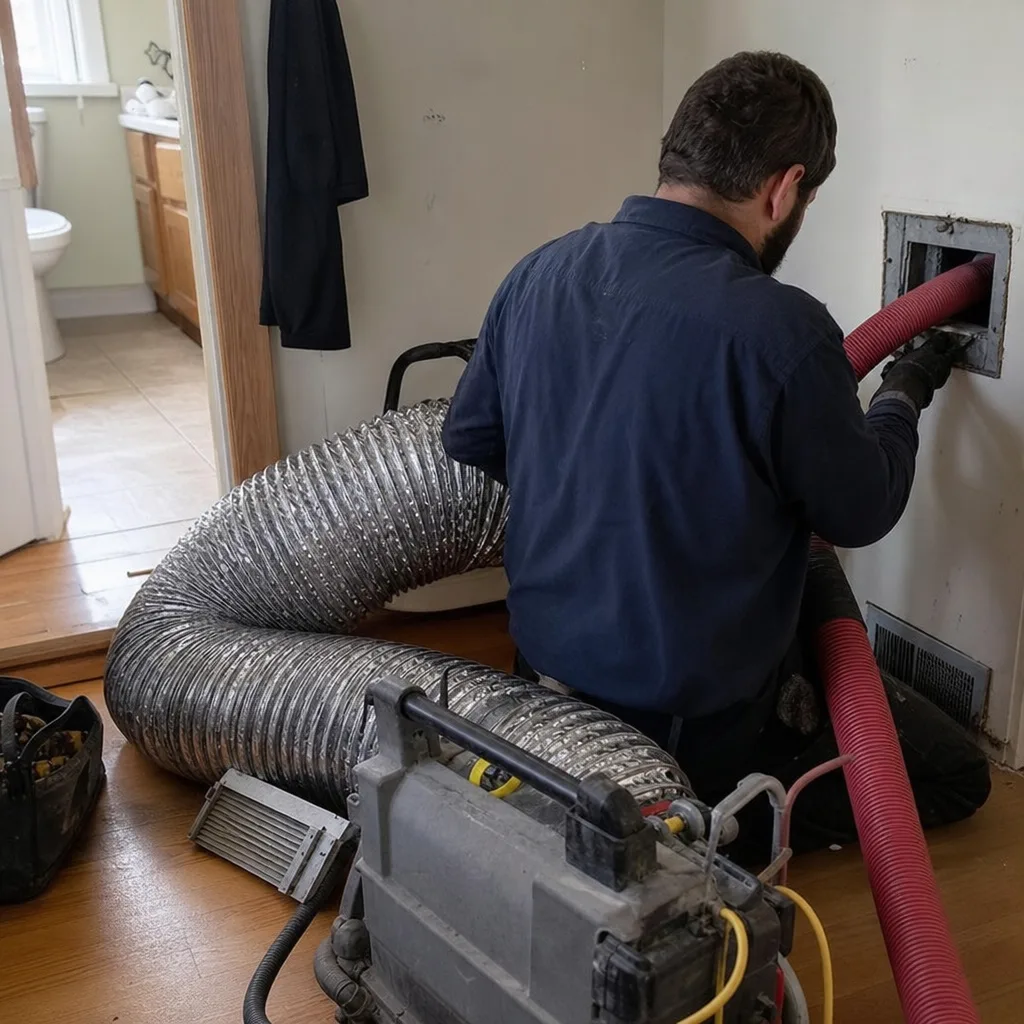 Before
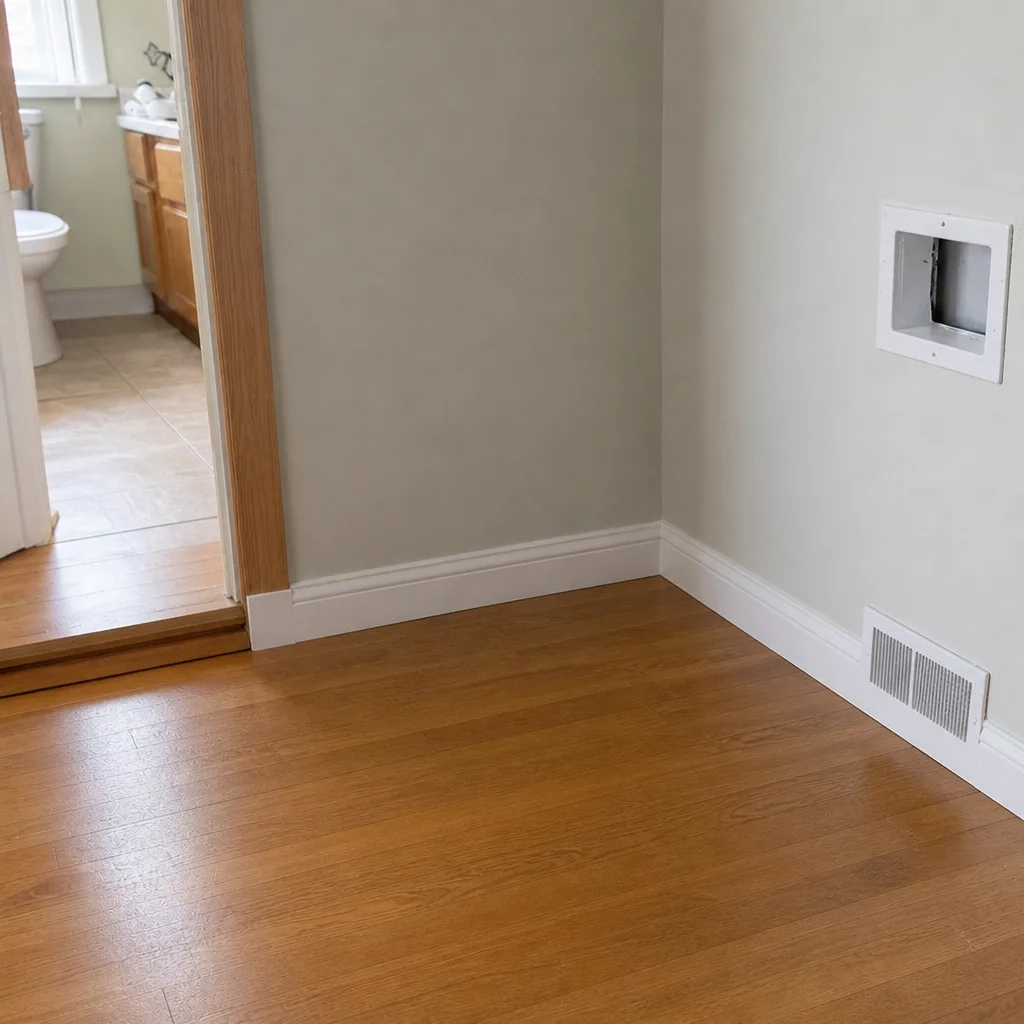 After
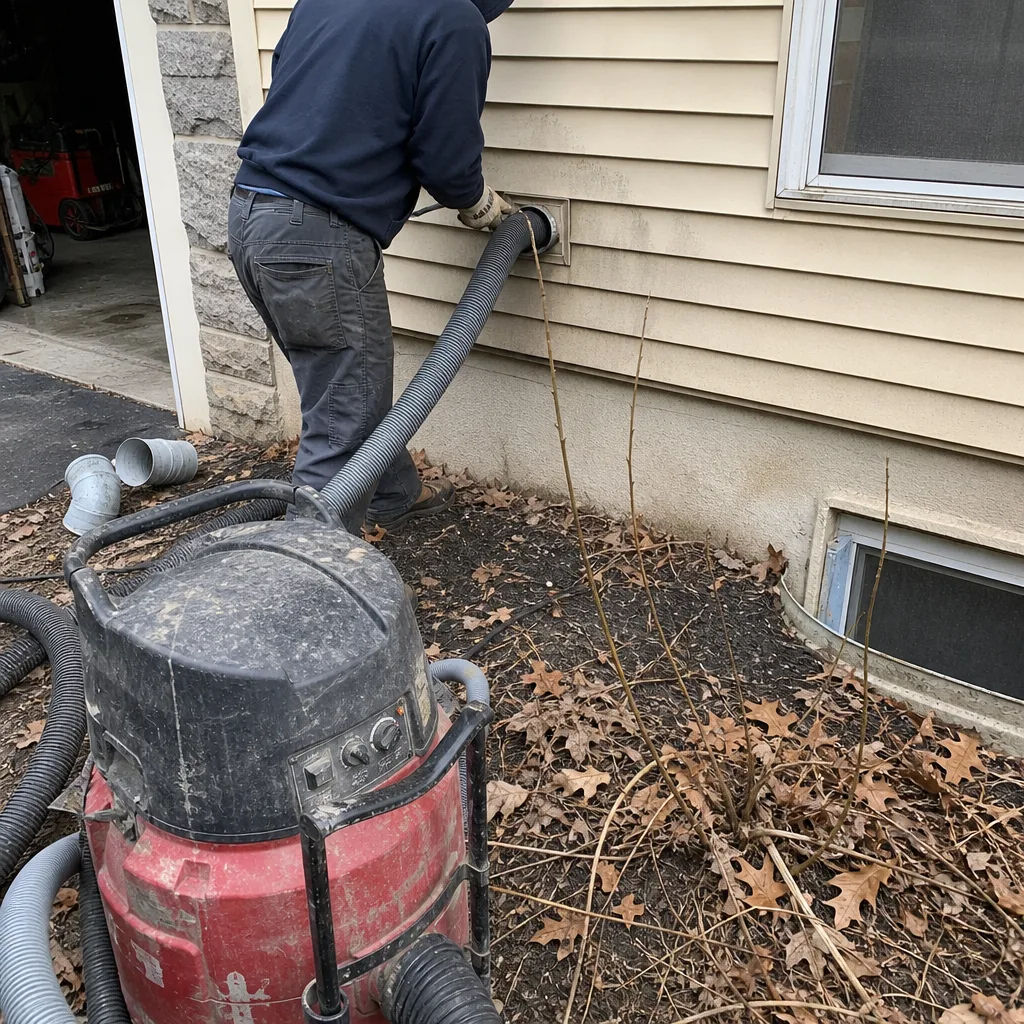 Before
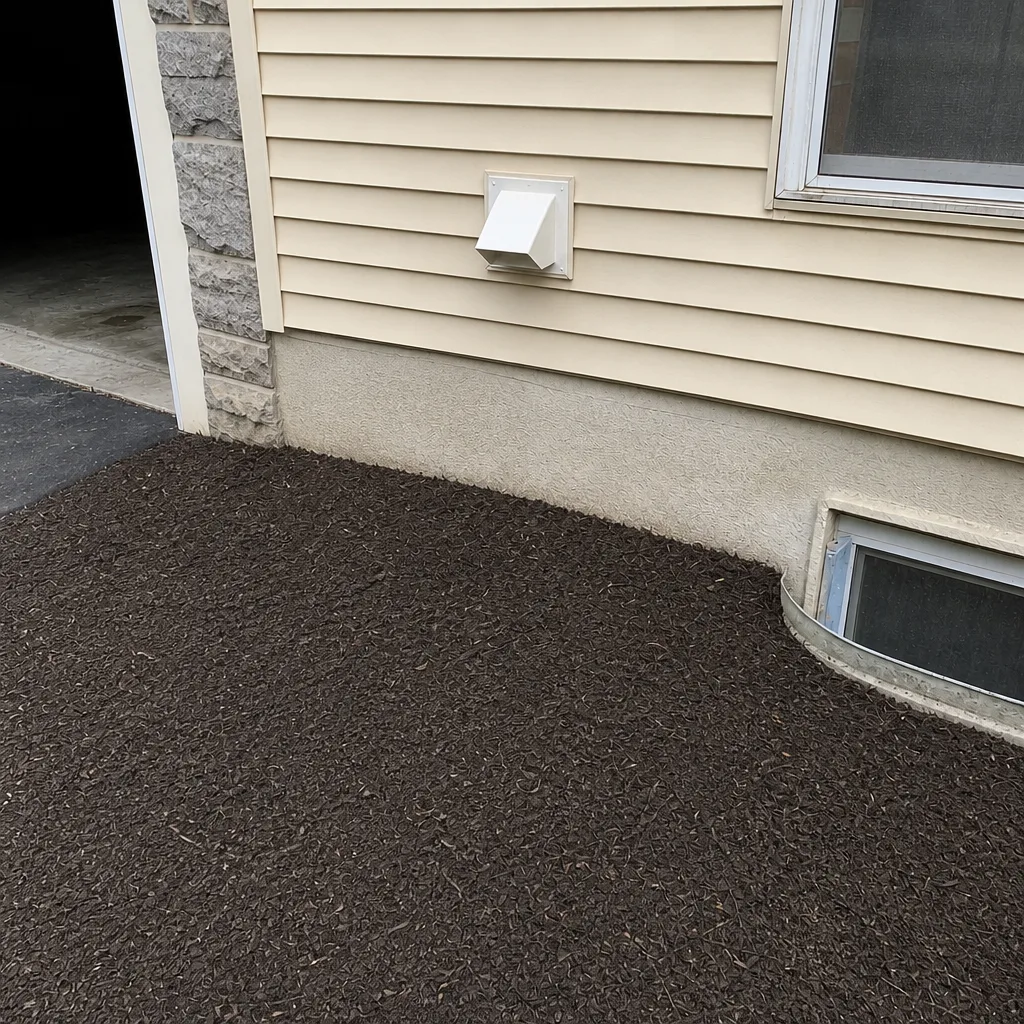 After
When to Call a Professional
Call a professional if any of the following is true for your Somerton home:
- Your ducts haven’t been serviced in several years
- You see visible mold growth anywhere in a duct run or at the air handler
- You notice musty odor at the registers when the system runs
- You’ve recently completed a renovation and dust from the work got pulled into returns
- You hear scratching or see signs of pest activity in ductwork
- Airflow is inconsistent across multiple rooms
- Your household includes allergy or asthma concerns and symptoms seem seasonal to system operation
Any of these is a signal that the contamination isn’t register-level. Before and after photos of your own ducts should be part of what a pro delivers. Air Duct Cleaning Somerton offers free estimates in Somerton – call (833) 482-7267. We answer 24/7. Fast dispatch from 7am to 7pm, Sunday through Friday.
Frequently Asked Questions
A complete DIY kit – brush set, shop vac, filters, small camera – runs roughly $150 to $380 in the Somerton area, and it only cleans the register end of the system. If professional cleaning is still needed afterward, you’ve effectively paid that $150 to $380 on top of the professional cost. Call (833) 482-7267 for a free estimate on a whole-system clean – estimates are free.
No. A shop vac creates local suction at the nozzle but cannot hold the entire duct system under negative pressure. Loosened debris settles back on the duct walls or gets pushed into living space if the blower cycles on. Proper cleaning requires a negative-air machine and a rotary agitation tool working together – equipment not sold at retail.
Most homes in Somerton need professional duct cleaning every three to five years, with adjustments up or down based on pets, recent renovations, allergies in the household, and visible dust patterns. Homes with heavy pet shedding or recent remodels often need it closer to every three years. If you’re overdue, call (833) 482-7267 – estimates are free.
In most cases because they’re not doing the same work. A low quote is often a shop vac with a wand, register cleaning only, or a per-vent price that grows once the technician arrives. Ask what negative-air equipment they use, what agitation tool they use, and whether you’ll get before-and-after photos. If any of those three answers is vague, the price difference explains itself.
Before-and-after photos of your own ducts, taken during the job, are the simplest verification. A professional service should also be able to show you the containment setup before the work starts and the extracted material after. If you don’t get photos, you don’t have proof.
Yes – if your dryer vent hasn’t been cleaned in over a year, if you’ve just finished a renovation, or if anyone in the household has new allergy symptoms that seem to track with HVAC operation. Any of those are reasons to move. Call (833) 482-7267 – estimates are free. We answer 24/7. Fast dispatch from 7am to 7pm, Sunday through Friday.
The Bottom Line
The DIY vs. professional line in Somerton runs exactly where the equipment gap runs. Registers, dryer vents, filters, and inspection – yes, you can handle those, and you should. Main trunks, branch runs, the air handler, and anything involving visible mold or persistent odor – those need negative air pressure and rotary agitation equipment that hardware stores don’t sell. If you’ve been quoted an unusually low price from a service that can’t answer the equipment questions, that quote is the warning sign. One flat price per system, agreed before work starts, with before-and-after photos of your own ducts, is the standard worth holding out for. One company for clean air, sealed ducts, and long-term filtration is what Air Duct Cleaning Somerton is set up to deliver – through Rotobrush, Nikro, and Abatement Technologies on the equipment side, and Honeywell and Aprilaire on the filtration side. If you’d like a straightforward assessment of where your home sits, call (833) 482-7267 for a free estimate. We answer 24/7. Fast dispatch from 7am to 7pm, Sunday through Friday.
Written by the team at Air Duct Cleaning Somerton.