
Last updated November 25, 2026
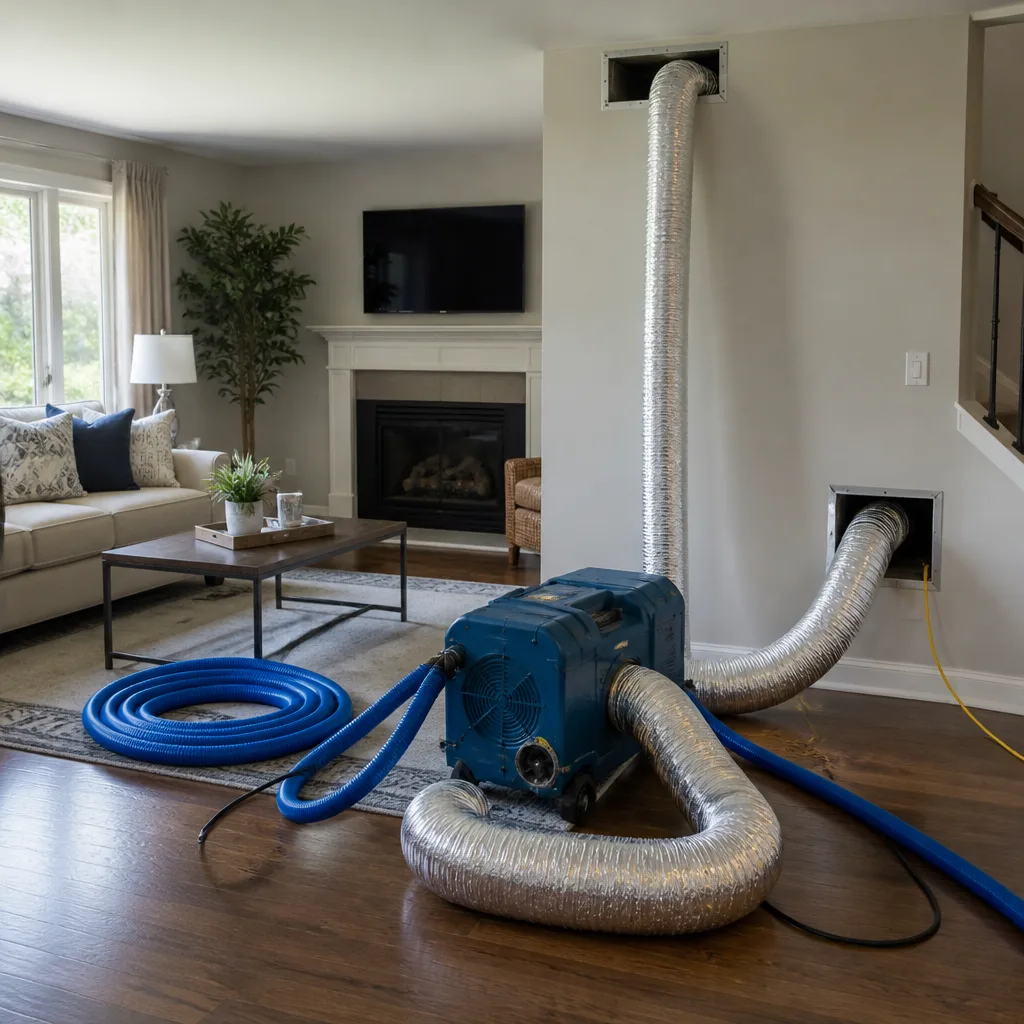 Whole-home duct cleaning
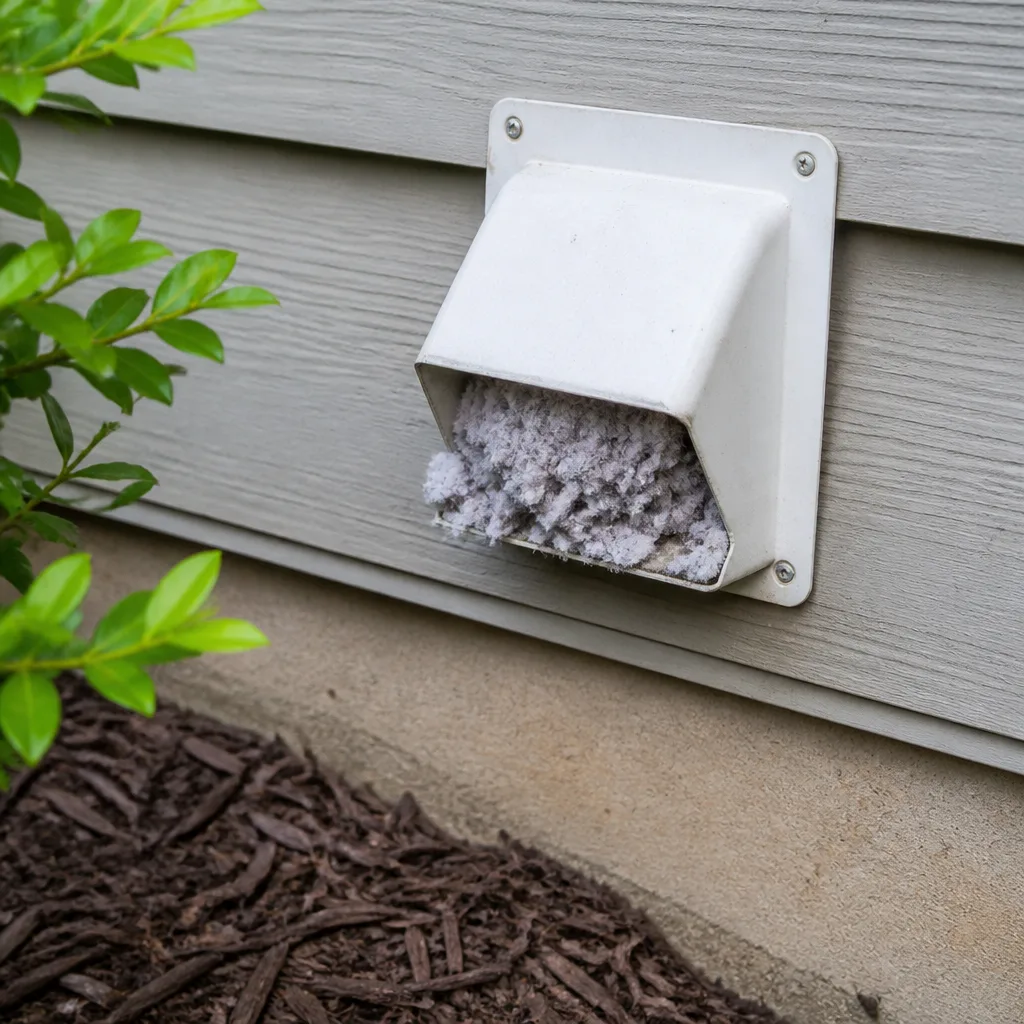 Dryer vent cleaning
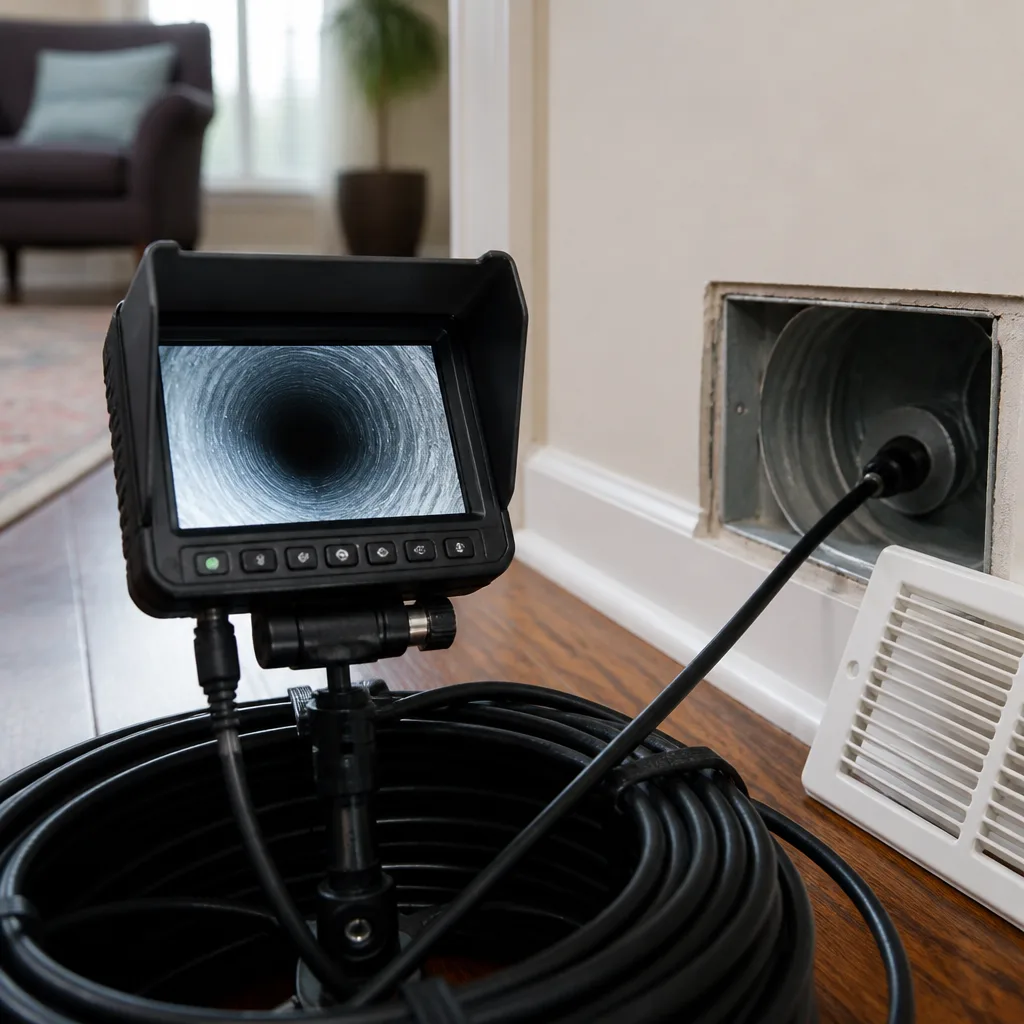 Camera inspection
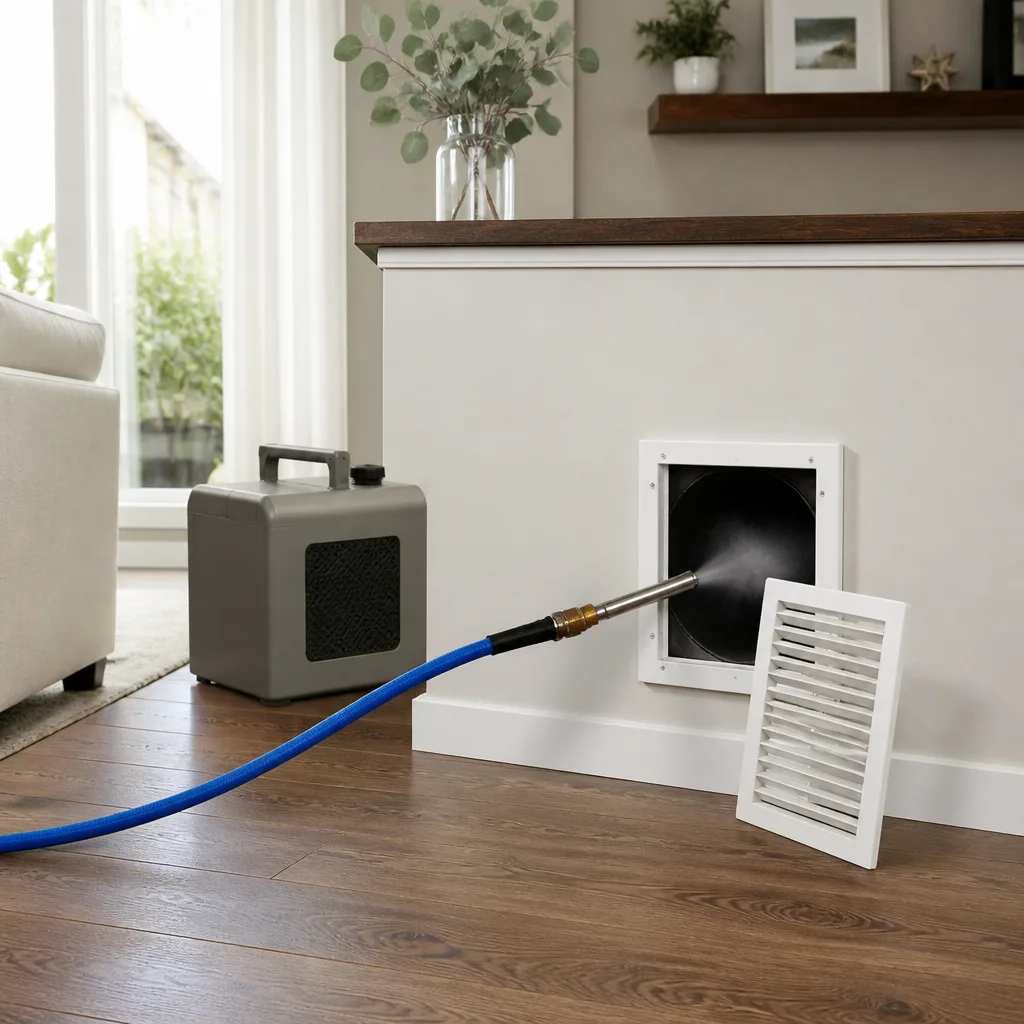 Sanitizing & deodorizing
Whole-system duct and dryer vent check with before-and-after photos - you see exactly what came out of your vents
That "$99 whole-house special" is a bait ad - the real number appears once they are in your hallway, or the "clean" is a shop-vac at the register. We photograph the inside of your ducts before and after instead.
Seasonal Air Duct Cleaning Care for Somerton: Year-Round Homeowner’s Guide
Most Somerton homeowners book duct cleaning in spring. It feels like the right move: open the windows, clear out the winter, start fresh. But if your system just ran through a humid Delaware Valley summer, spring cleaning happens after the damage is already sitting in the ducts. Moisture-driven contamination builds in July and August, then settles in for months. By the time you schedule the clean, you’ve been breathing the results of a season you never addressed. This guide breaks the year into four distinct jobs, because Somerton’s climate doesn’t load your duct system the same way in January as it does in July. You’ll learn what to inspect when, what to fix before each season starts, and when a full professional cleaning is actually warranted.
Quick Answer
Seasonal air duct care in Somerton means doing different things at different times of year, not one annual cleaning. Inspect and clean the cooling coil before summer, monitor humidity and microbial growth through July and August, upgrade filtration in October, and balance airflow before heating season begins in November. A full professional cleaning is warranted when you see visible debris, persistent odors, or a measurable drop in airflow, not on a fixed calendar date.
Styles & brands we work with
- Whole-home duct cleaning
- Dryer vent cleaning
- Camera inspection
- Sanitizing & deodorizing
Table of Contents
- Why Seasonal Care Beats Annual Cleaning in Somerton
- Summer: The Highest-Risk Season in the Delaware Valley Humidity Corridor
- Fall: Filter Upgrades and the Particulate Shift
- Winter: Sealed Windows, Pressure Imbalance, and Airflow Balancing
- Spring: Pre-Cooling-Season Coil Checks and Startup Steps
- How Somerton Landscaping Loads Your Return Air
- The Season-by-Season Decision Tree
- Common Mistakes to Avoid
- When to Call a Professional
- Frequently Asked Questions
Why Seasonal Care Beats Annual Cleaning in Somerton
An annual cleaning treats your duct system as a static object. It isn’t. Your ducts are a moving-air pathway that responds to whatever the outside air is doing, and in Somerton the outside air changes dramatically across four seasons. A system that sits comfortably at 40% relative humidity in October can be handling return air at 65% or higher in late July. That’s not the same job twice a year. That’s two different problems.
The seasonal approach works because it times your effort to the actual stress on the system. Here’s the logic in short:
- Summer pushes moisture through the system. Moisture plus organic dust equals microbial growth risk.
- Fall pushes particulate from leaf litter, mulching, and yard work into return air intakes.
- Winter closes the house, raises pressure imbalance, and concentrates whatever is already in the ducts.
- Spring is your reset window: service the cooling side before you rely on it for three months straight.
When we run a full cleaning on a Somerton home, we’re removing what has accumulated, but the schedule that determines how fast it re-accumulates is set by the homeowner, not by us. Getting that schedule right is what keeps the gap between cleanings long.
One more point on equipment. Seasonal checks aren’t the same as a cleaning. A proper cleaning uses tools that agitate and extract, not tools that blow debris loose and leave it. Our technicians have up to 13 years of experience, and they work with Rotobrush rotary brush systems and Nikro equipment, paired with Abatement Technologies negative-air machines that hold containment while the work is happening. If a company arrives with a shop vacuum and a blower, they can’t do the extraction half of this, no matter what season they come in. You can see more on how we approach whole-system work on our Air Duct Cleaning Somerton overview.
Summer: The Highest-Risk Season in the Delaware Valley Humidity Corridor
Somerton sits inside the Delaware Valley humidity corridor, and that single geographic fact changes the whole equation. Air that arrives at your outdoor intakes in July and August carries more moisture than at any other point in the year. If your cooling coil is clean and the condensate drain is flowing, that moisture leaves the system the way it should. If the coil is fouled or the drain is slow, the moisture lingers inside a dark, insulated airstream feeding organic dust it already collected. That combination is the exact condition microbial growth needs.
This is why summer is the highest-risk season here, not winter. Winter is dry. Winter causes dustiness, discomfort, static, and pressure problems, but it doesn’t load the system with moisture. Summer does.
What to monitor in July and August
- Musty odor at the registers. A musty smell within an hour of the system starting is the clearest single signal that moisture and organic material are combining somewhere in the pathway.
- Humidity inside the home. If your indoor humidity stays above roughly 60% on hot afternoons despite the AC running, the system is working against you or the dehumidification side of the system is lagging.
- Condensate drain flow. A slow or clogged drain keeps standing water in or near the coil housing. That’s a moisture source feeding directly into the airstream.
- Visible spotting on the coil housing or cabinet interior. Surface discoloration near the air handler in summer is worth a professional inspection before the season ends.
If more than one of those is present, don’t wait for fall. Schedule a full inspection. On a Somerton job that means cleaning the full system, not just the registers, and it means the cooling side gets attention at the right time rather than after the damage set. Our air duct cleaning service covers the full pathway including the air handler cabinet, and we can add a filtration check with recognized product lines like Honeywell and Aprilaire if the system is under-filtered for a home this humid.
One caution worth saying plainly: don’t open up an air handler cabinet yourself to inspect the coil. There are electrical connections and sharp fins inside, and one slip is a real injury. Let a trained technician look.
Fall: Filter Upgrades and the Particulate Shift
When cooling season ends and the outdoor air dries out, the problem shifts from moisture to particulate. Fall in Somerton generates leaf litter, mulch dust, and yard-work debris that finds its way to exterior return intakes and open windows all season. What goes airborne comes into the return path, and your filter gets the first shot at removing it. A filter that was adequate through July is often the wrong choice by October, because the load has changed.
Filtration is where a homeowner can make the biggest difference with the least effort. Two things matter more than the “MERV score marketing” you’ll see online.
- Fit and sealing. An upgraded filter that doesn’t seal to its slot just lets air bypass the media. A properly fitted moderate filter beats a poorly seated high-end filter every time. Ask the technician to check the filter rack for gaps during any seasonal service.
- Airflow impact. Higher-filtration media can put restriction on the system if the blower isn’t matched to it. If the home’s airflow drops noticeably after a filter upgrade, that filter isn’t right for this system.
October is also the right time for a HVAC cleaning if the equipment hasn’t been serviced this year. The blower wheel, cabinet interior, and drain pan collect what the system has been moving all cooling season, and cleaning that equipment now saves a mid-winter call when the system would otherwise fail on the coldest weekend. If a homeowner calls with an early fall service need, our team is on call. Call (833) 482-7267. We answer 24/7. Fast dispatch from 7am to 7pm, Sunday through Friday.
Winter: Sealed Windows, Pressure Imbalance, and Airflow Balancing
Once the windows close for the season, your home becomes a tighter pressure envelope. That’s good for energy efficiency and harder on your ducts. Every exhaust fan that runs, every range hood, every dryer, creates a pressure difference that pulls air from wherever it can. If supply and return airflow are unbalanced, that pull comes from paths you’d rather it didn’t: gaps in ductwork, poorly sealed joints, or rooms that get pressurized while others get starved.
The practical result shows up as uneven heating, cold rooms on one side of the house, or whistling at a register. In our experience, those complaints in a Somerton home in December are usually airflow problems, not furnace problems. Before anyone touches the furnace, ask whether the ducts are balanced and sealed.
Before heating season starts in November
- Walk the supply registers. A noticeably weak register on one side of the house while another blasts is a balance issue.
- Look for dust streaks at joints. Dust trails near duct seams are the visible signature of a leak pulling air from interstitial space.
- Check the return path. Every room with a supply needs a return path. A door that seals tight and has no undercut blocks return air, which unbalances the room.
- Book a leak check and seal in the same visit. This is the one part of winter prep that genuinely should be bundled, and it’s the reason we handle duct repair and sealing alongside cleaning rather than sending you to a separate contractor.
Sealing doesn’t just fix comfort. Closed-window season concentrates whatever contamination is already present in the airstream, so tightening the envelope without addressing the duct system is the wrong order. Do the sealing and cleaning together, then run the season.
Spring: Pre-Cooling-Season Coil Checks and Startup Steps
Spring is the reset window. Cooling season is about to run for months, and everything you do now either supports the system through it or waits until the damage is already done. This is where the spring cleaning myth deserves a fair hearing: cleaning in April isn’t wrong. Cleaning in April as your only step, when you haven’t looked at the cooling coil or the filter setup, is the problem. You’ve cleaned a pathway and skipped the equipment the pathway serves.
The pre-season startup steps that extend the gap between cleanings
- Inspect the cooling coil before the first hot week. A clean coil sheds moisture properly. A fouled coil keeps it in the airstream all summer. This single step has more effect on your next cleaning interval than any other.
- Confirm the condensate drain flows clear. Standing water near the coil housing is a contamination source that will be back by August if it’s not cleared now.
- Replace the filter at the start of cooling season. Not last fall’s filter, and not one sized to the wrong slot.
- Seal visible duct leaks before the system is under summer load. Leaks cost more to run against in summer, and they pull in unconditioned humid air from outside the envelope, which is exactly the moisture you’re trying to keep out.
- Check exterior intakes for seasonal debris. Mulch, leaf litter, and last winter’s accumulation at the return intake need to be cleared before May.
- Book a full cleaning if the last one is more than a couple of years old, or if the home has had renovations or a pet change since.
Air quality products belong in this conversation too. If you’ve been using a basic filter and the home has dust-sensitive occupants, spring is the time to consider a filtration system matched to the equipment rather than a filter swapped in as an afterthought. We work with Honeywell and Aprilaire product lines for that reason. They connect to the system properly instead of just sitting in a slot. Getting the filtration right in spring means the summer humidity has less organic material to work with.
How Somerton Landscaping Loads Your Return Air
This is a piece of the puzzle most seasonal guides skip entirely: your neighbors’ landscaping and your own yard work both load your duct system. In Somerton that’s especially true in a neighborhood where homes sit close together and yard work is seasonal, social, and loud.
The specific sources
- Fresh mulch in April and May. Mulch dust is fine, organic, and airborne. If a truckload is dumped next door, some of it reaches your return intakes over the following weeks.
- Leaf blowers in fall. A leaf blower doesn’t remove leaf debris; it moves it into the air. Any that drifts into an exterior intake on a dry October afternoon becomes part of your return load.
- Construction on adjacent properties. Drywall dust, sawdust, and excavated soil are the heaviest single particulate load we see on suburban return intakes, and they don’t stay on the lot they came from.
- Roof work and pressure washing. Fine grit and debris liberated from a roof replacement or a full exterior wash can settle into intakes on the same block for days after the crew leaves.
The practical fix is timing, not vigilance. If a neighbor is doing a major outdoor project, check and clear the exterior return intake afterward and replace the filter if it’s visibly loaded. If a construction project has been running on your block through a season, that’s a real reason to shorten your cleaning interval, not a reason to skip it. We see more homeowners in Somerton under-schedule cleaning after a renovation than any other reason.
One note on dryer vents while we’re on the subject of what leaves the home. The same weather that loads your intake ducts also loads the lint trap side. The dryer vent cleaning service exists because lint accumulation in a vent run is a leading cause of residential fires, and it’s not a maintenance nice-to-have. If you’re running your drier more heavily in wet weeks, that’s the season to have the vent checked.
The Season-by-Season Decision Tree
Every homeowner in Somerton ends up asking the same three questions every few months: is this something I can watch myself, is this something that needs an inspection, or is this something that needs a full clean now? This is the decision tree we’d give a friend.
Self-monitor (no call needed)
- Filter condition, changed at the recommended interval
- Visible dust on registers, wiped down
- Seasonal dust and odor, mild, resolves after filter change and a register wipe
- Occasional dog hair or pet debris in a register face
Book an inspection (one visit, no commitment to a full clean)
- Persistent musty odor that returns within days of a filter change
- Airflow weak in one or more rooms compared to others
- Humidity inside the home that’s noticeably elevated despite the AC running in summer
- Dust trails at duct joints or visible gaps at connections
- Recent renovation, roof replacement, or block construction next door
- New pet, new occupants, or a household change that raised the dust load
Full cleaning warranted (this is the call)
- Visible debris or dark residue on the air handler cabinet interior
- Musty odor combined with visible staining near the coil housing
- Multiple rooms with weak airflow, not just one
- A dryer vent that’s never been cleaned or has been more than a year or two since service
- A duct system that’s been through a major renovation with no cleaning since
- Any home where the last full cleaning can’t be accounted for
The general rule: if two or more items from a single column are present, move to the next column up. If you’re not sure which column applies, an inspection is the right first move, and it costs you nothing to have that conversation.
Common Mistakes to Avoid
- Cleaning once a year in spring and calling it seasonal care. Annual cleaning addresses one point in the year and misses the summer moisture window entirely. Somerton’s humidity corridor makes that miss expensive.
- Upgrading the filter without checking the fit or airflow. A high-filtration filter that doesn’t seal to the rack lets air bypass it. Restriction is the other failure mode, and both problems show up as “the filter isn’t helping.”
- Skipping the exterior return intake. Leaf litter, mulch, and construction dust at the exterior intake get pulled straight through the system. A five-minute check after any yard or construction project prevents a much longer job later.
- Sealing the house in fall without addressing the ducts. Tightening the envelope concentrates whatever contamination is already inside. Sealing and cleaning belong in the same month, not two different seasons.
- Hiring anyone with a coupon price and a shop vacuum. A crew without extraction equipment loosens debris and leaves it in the system. That’s worse than not cleaning at all. Ask what equipment the crew uses before you book.
- Treating the dryer vent as an air quality add-on. It’s a fire-risk item. Somerton homeowners routinely schedule duct cleaning and forget the dryer vent that shares the same laundry room, and the vent is the item with the real hazard attached.
- Ignoring a musty odor after a filter change. Odor that returns within days of new filtration is a source further back in the system, usually the coil or the cabinet. Don’t keep changing filters and hoping.
When to Call a Professional
Call a professional if you’re seeing musty odors that return after a filter change, visible debris or residue in the air handler cabinet, weak airflow across more than one room, or if a duct system has been through a renovation with no cleaning since. Call if your dryer vent hasn’t been serviced in a couple of years. Call if a major outdoor project on your block happened during the season and you’re seeing dust at the registers. Call if you’ve never had a professional look at the cooling coil before cooling season and you’ve been relying on filter swaps alone. In our experience, an inspection resolves the question in under an hour, and most homeowners discover the answer is either “everything is fine” or “here’s the one thing to fix.” Air Duct Cleaning Somerton offers free estimates in Somerton. Call (833) 482-7267. We answer 24/7. Fast dispatch from 7am to 7pm, Sunday through Friday.
Frequently Asked Questions
Most Somerton homes need a full cleaning every two to three years, and summer is the season that drives that interval because of the humidity load. Homes with pets, recent renovations, dust-sensitive occupants, or a heavy landscaping season nearby should shorten that to roughly every year to eighteen months. Filter maintenance in between does more for the interval than any other single step.
Spring is the right time to service the cooling side and the wrong time to clean only because it happens after the summer moisture damage. A spring cleaning without a coil check and drain inspection leaves the actual contamination source untouched for the next cooling season. Do the coil work in spring, clean the full system if it’s due, and don’t rely on spring alone as seasonal care.
The musty smell that returns after a filter change is almost always moisture-driven growth further back in the system, typically on or near the cooling coil and in the air handler cabinet. In Somerton’s summer humidity, that combination is the most common cause. Filter changes reduce particulate, not the microbial growth that moisture supports. Call (833) 482-7267 for a free estimate on an inspection.
Open windows in summer increase your particulate and pollen load and do nothing to address the moisture already inside the duct system. In a Delaware Valley summer, open windows may actually make the indoor humidity problem worse. Fresh air is not a substitute for a clean, sealed, and properly filtered duct system.
Sealing fixes pressure and comfort problems and stops air from pulling through gaps, but it doesn’t remove debris already inside the ducts. If a system has visible contamination or a musty smell, sealing alone leaves the source in place. In practice, a Somerton home with both leak evidence and visible debris typically needs both services, and doing them in the same visit is what we recommend.
Ask what equipment they use for agitation and extraction, whether they hold negative pressure during the job, and what the estimate covers. A company using a rotary brush system and a negative-air machine is doing the safe version of the work. A company arriving with a blower and a shop vacuum is moving debris around. Get a written estimate and confirm what’s in scope before anyone starts.
The Bottom Line
Seasonal care in Somerton is a four-part job, not an annual chore. Spring is the reset: coil check, drain check, filter and intake clear. Summer is the high-risk window: watch for musty odor and elevated indoor humidity because the Delaware Valley moisture load grows whatever the system is carrying. Fall is the particulate shift: upgrade filtration with proper fit and airflow in mind, and clear exterior intakes after any yard or construction project on the block. Winter is the pressure season: seal duct leaks and balance airflow before the windows close for good. When you know which one applies, you know whether to self-monitor, book an inspection, or schedule a full cleaning. If you’d rather not work it out alone, call (833) 482-7267 for a free estimate and we’ll walk through the system with you.
Written by the team at Air Duct Cleaning Somerton.
See the difference
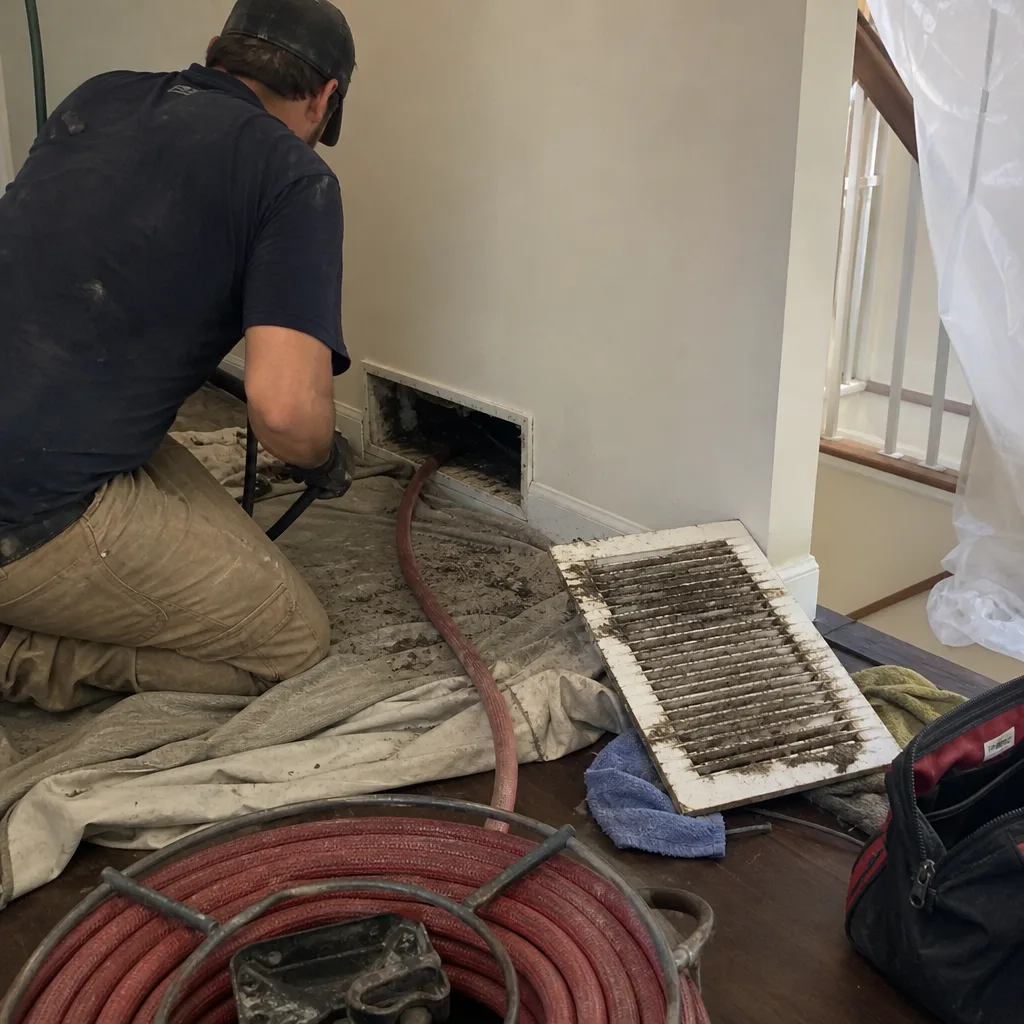 Before
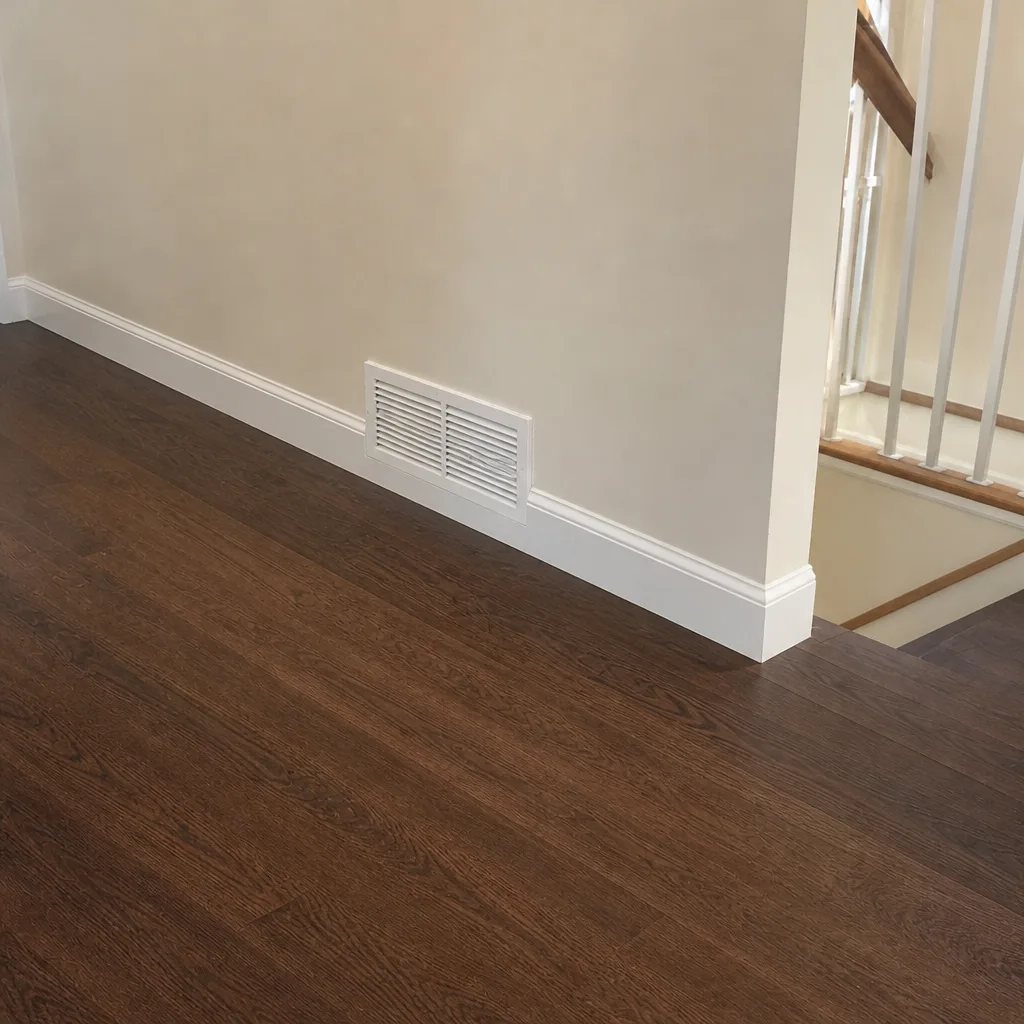 After
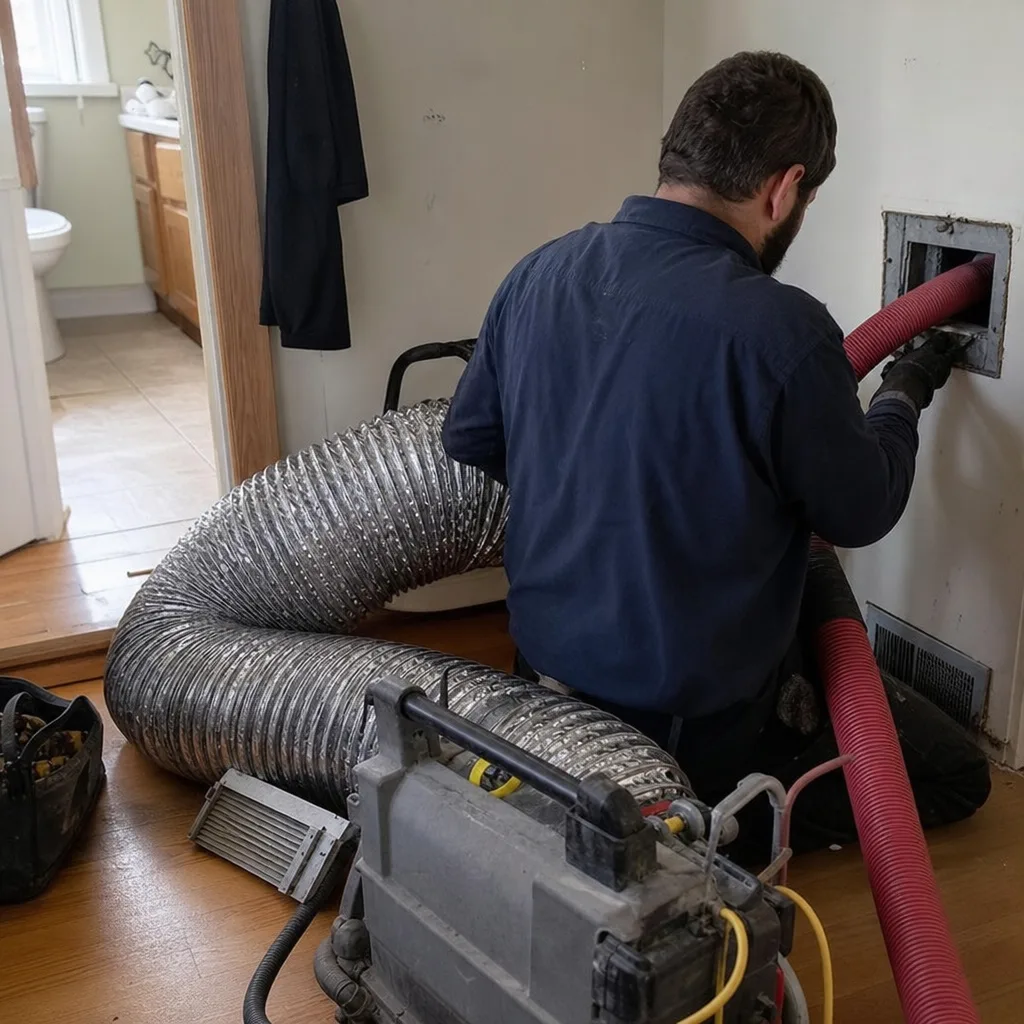 Before
 After
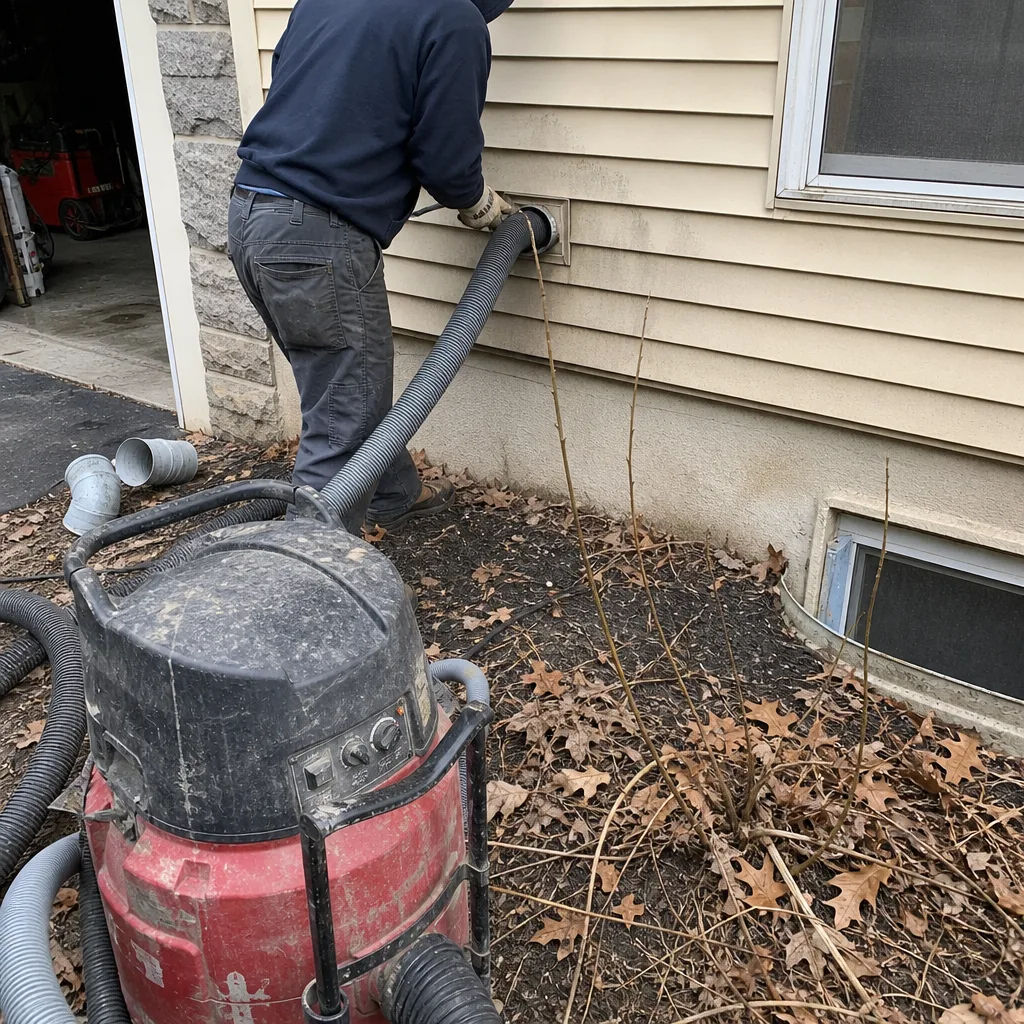 Before
 After