
Last updated November 25, 2026
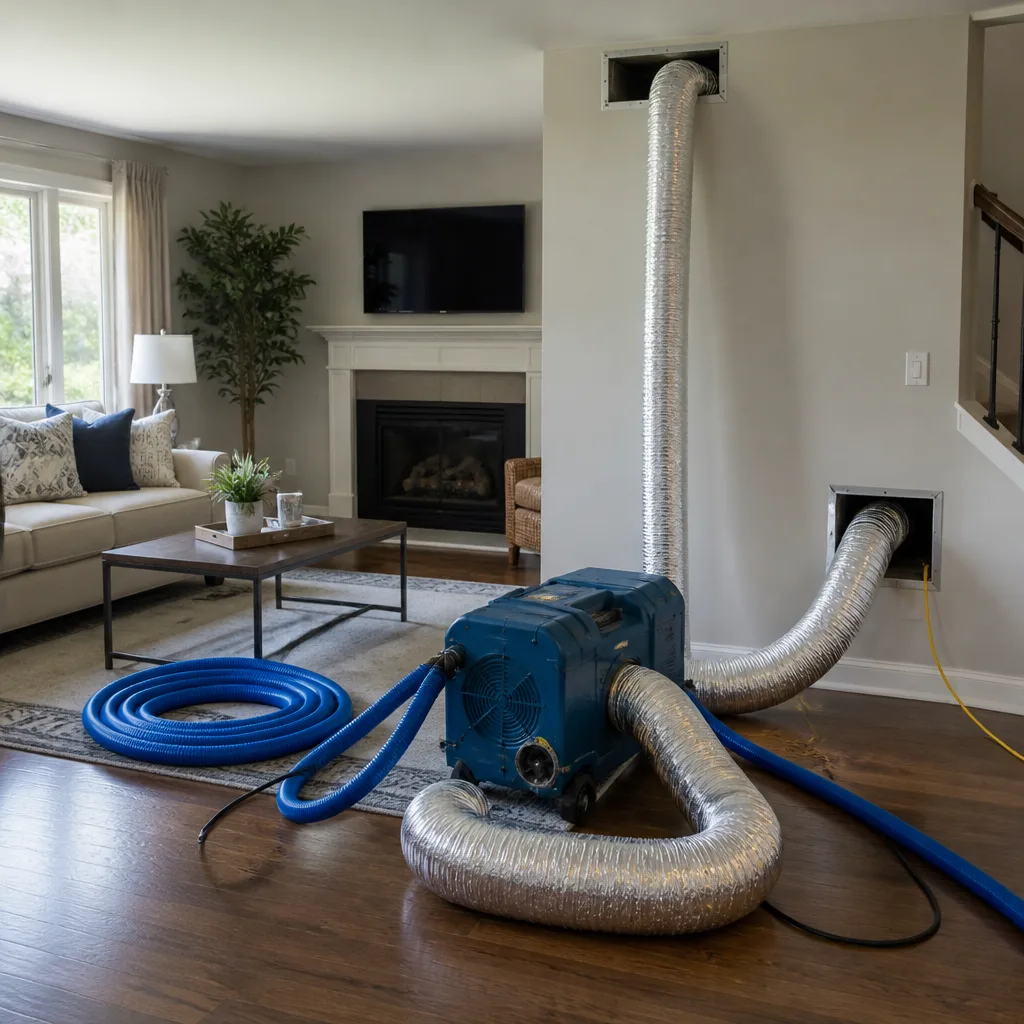 Whole-home duct cleaning
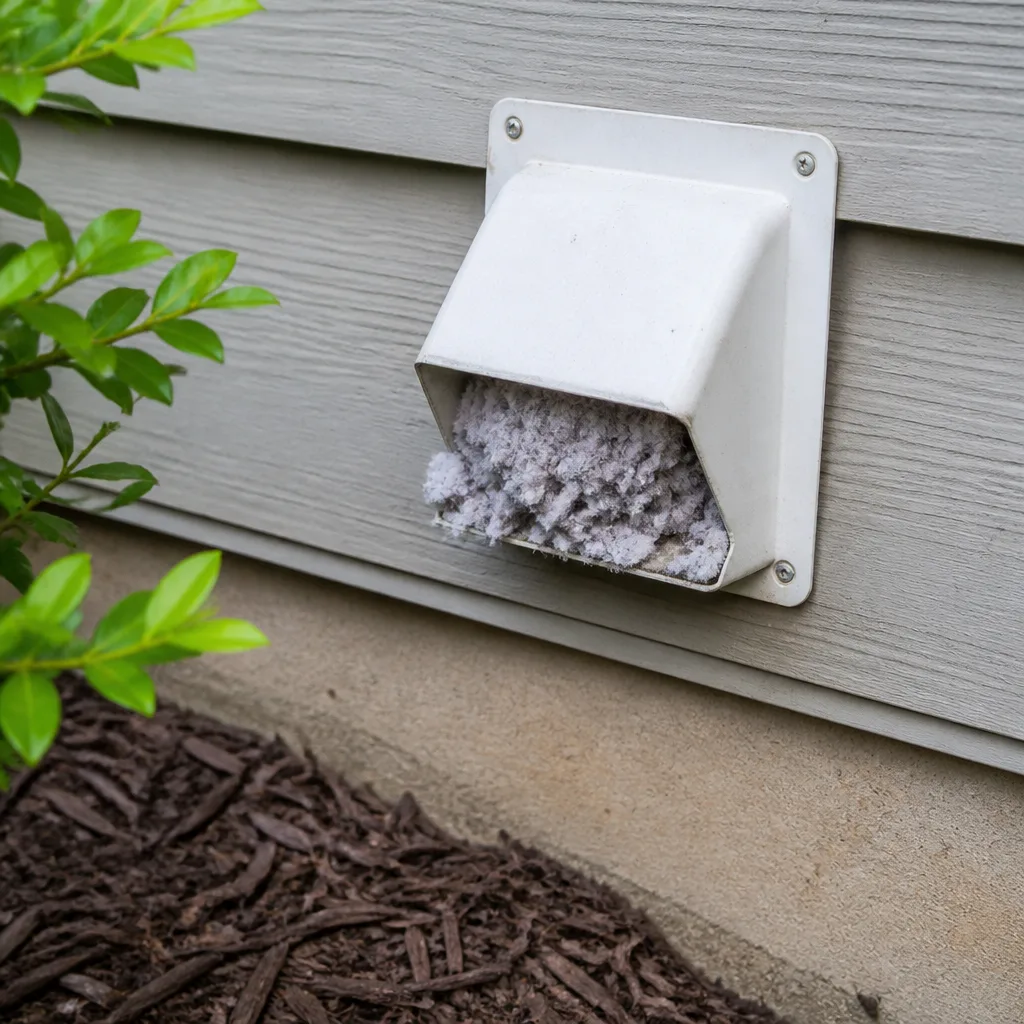 Dryer vent cleaning
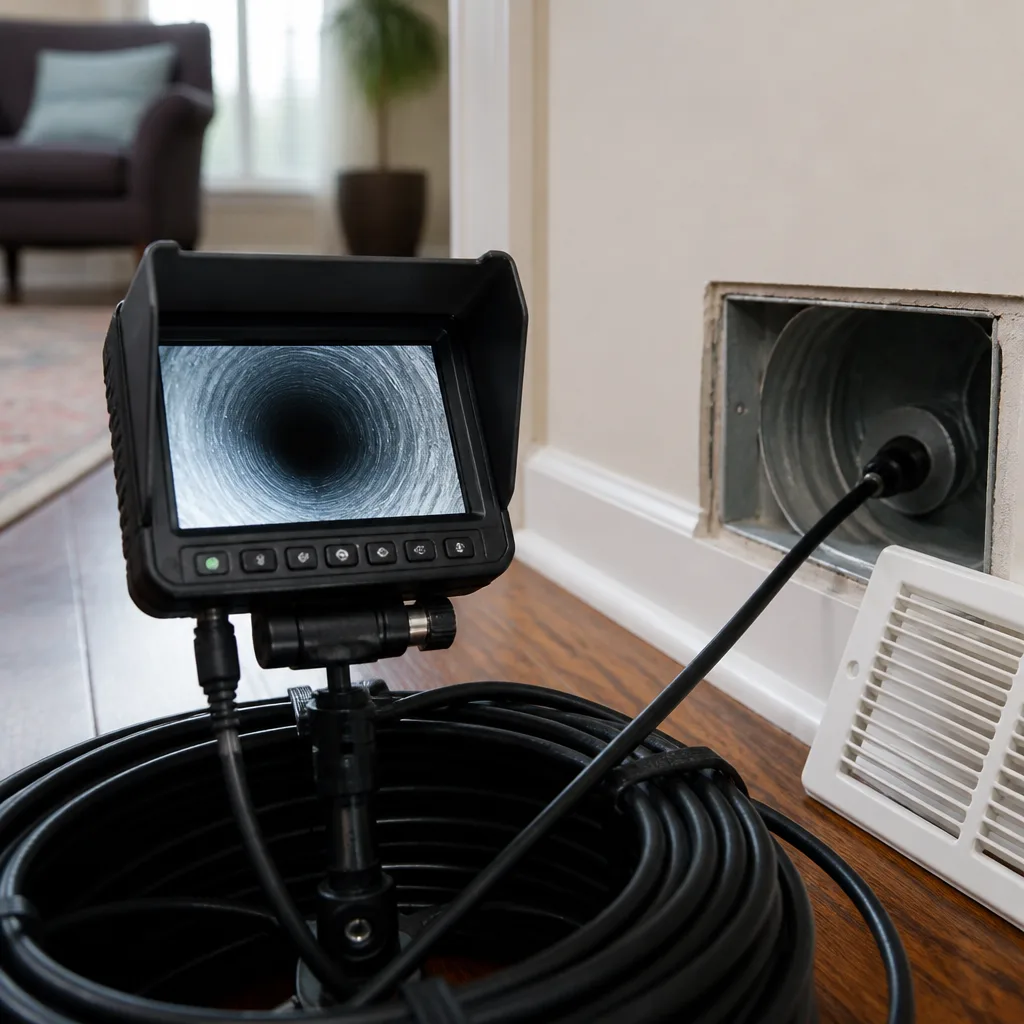 Camera inspection
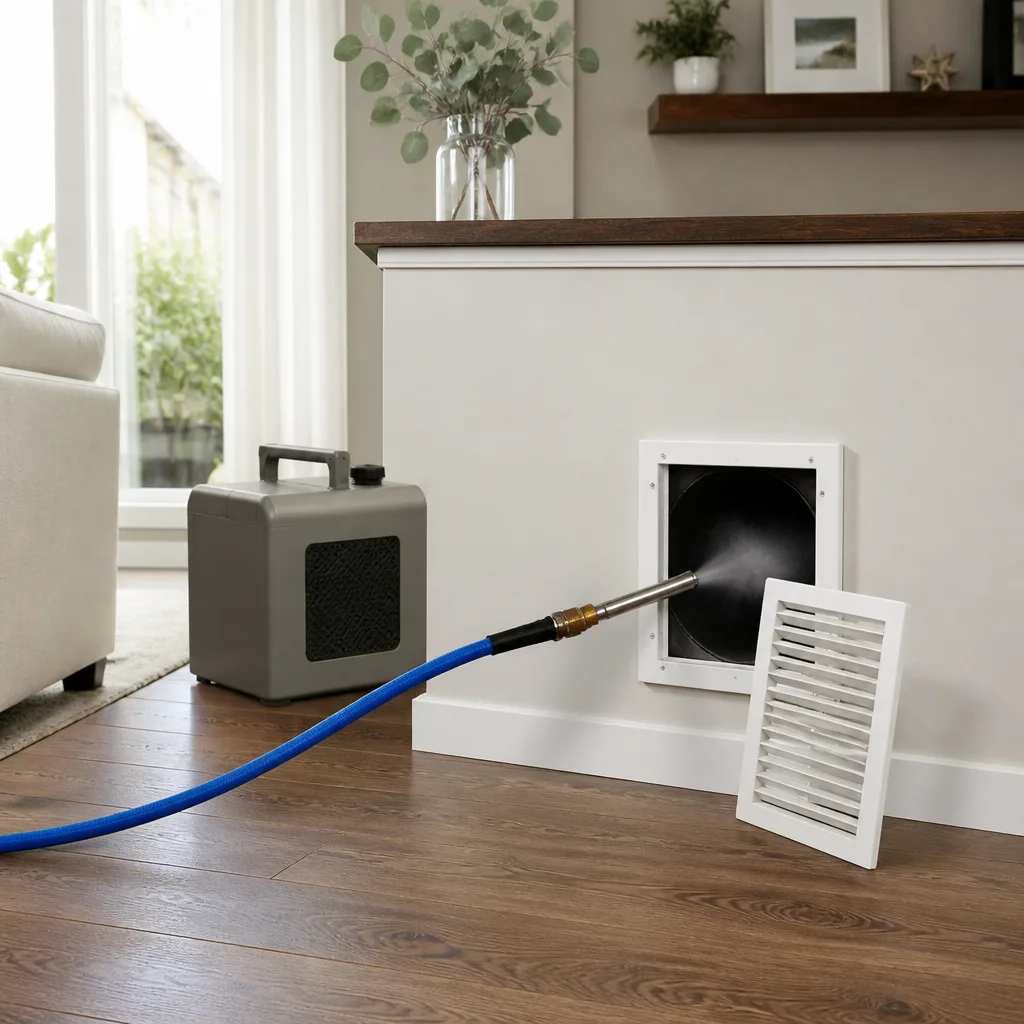 Sanitizing & deodorizing
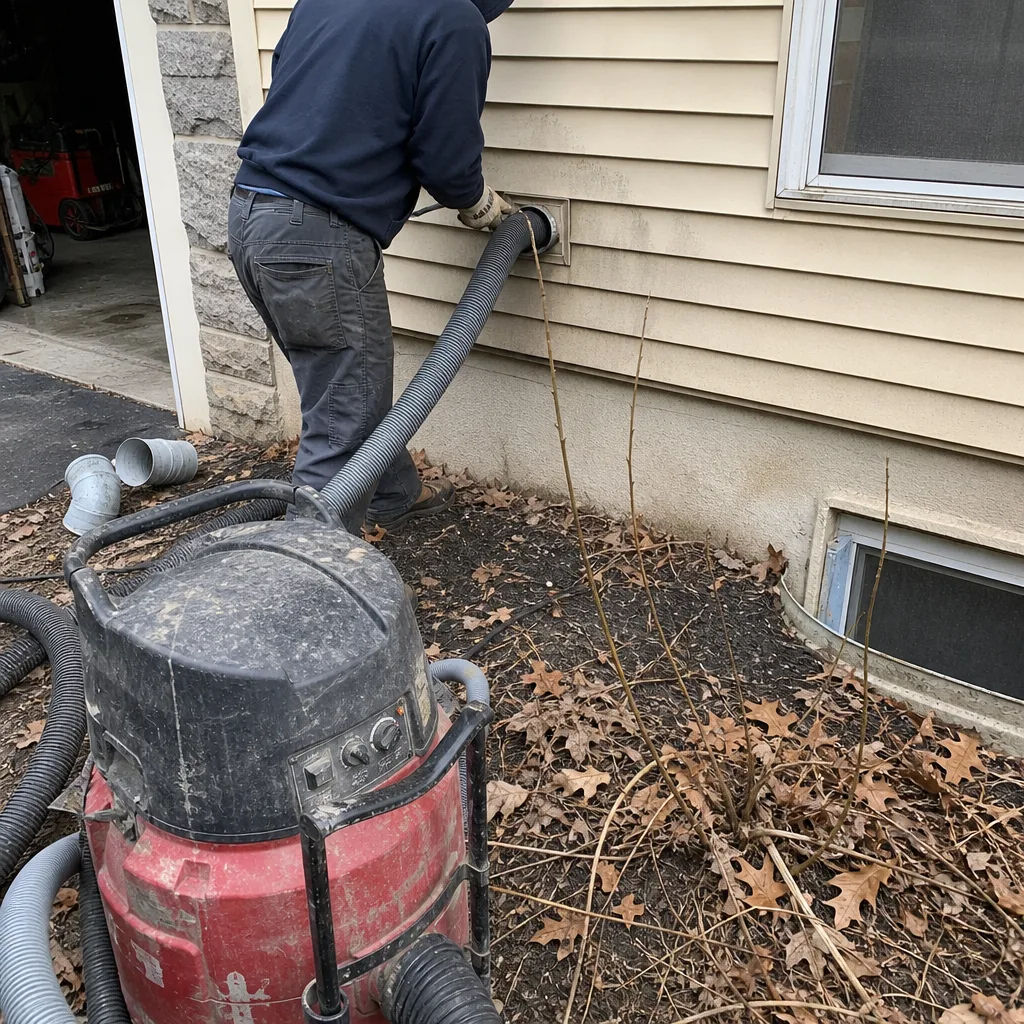
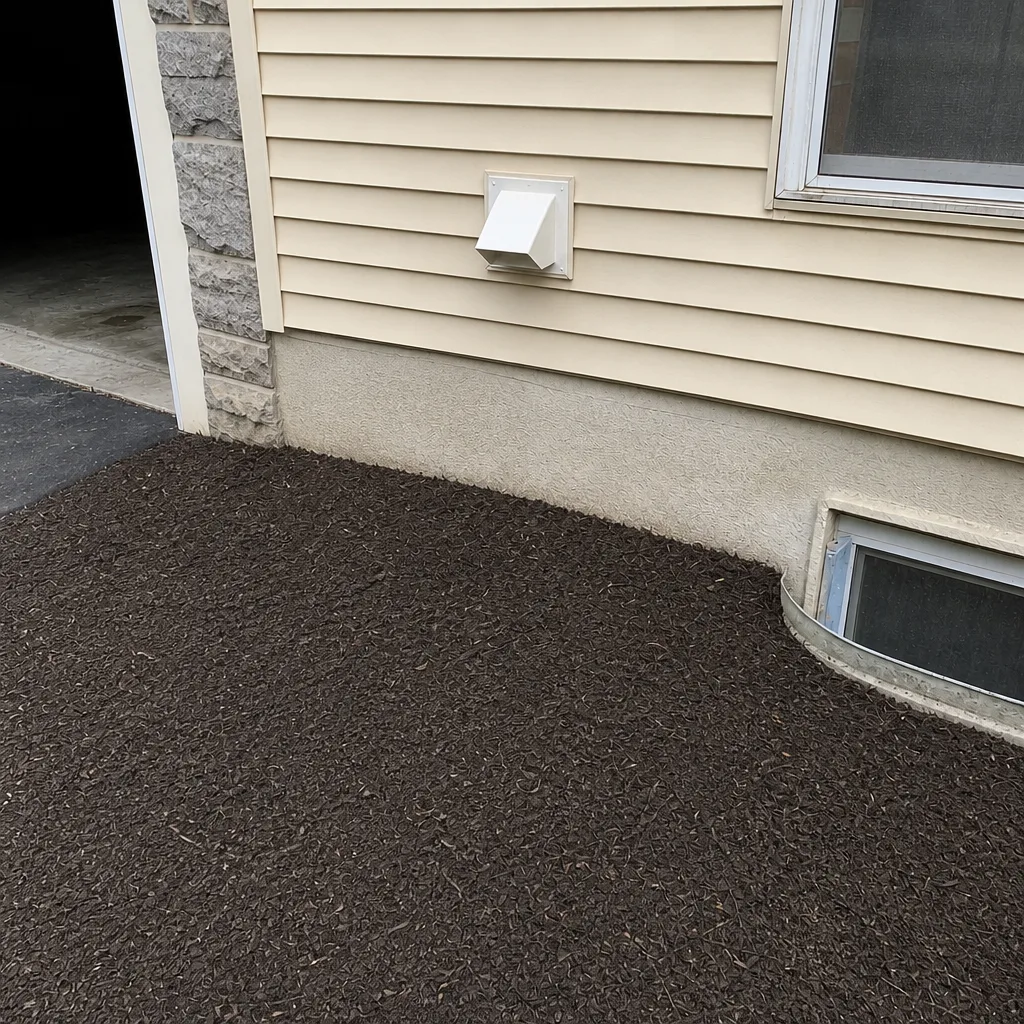
Whole-system duct and dryer vent check with before-and-after photos - you see exactly what came out of your vents
That "$99 whole-house special" is a bait ad - the real number appears once they are in your hallway, or the "clean" is a shop-vac at the register. We photograph the inside of your ducts before and after instead.
Air Duct Cleaning Warning Signs: A Somerton Homeowner’s Reference Guide
Most duct problems in Somerton are mistaken for something else. The furnace gets blamed for one cold room. The basement gets blamed for the smell. The power company gets blamed for the bill. By the time a homeowner actually thinks about the ducts, the problem has usually been building for months, quietly, inside the walls. Here’s the good news: ducts don’t fail without warning. They send signals for weeks. This reference guide is about reading those signals. We’ll map each symptom to its likely cause, show you how to tell a duct issue from an equipment issue before you call anyone, and explain which problems need real cleaning and which ones point at a leak or a failing duct run that cleaning won’t fix. Somerton homes have their own patterns, and we’ll get into those too.
Quick Answer
Air duct cleaning warning signs in Somerton usually show up first as uneven room temperatures, musty odors at the vents, visible dust at the registers, and rising heating or cooling bills. In most homes, three or more of these symptoms together mean debris buildup, a disconnected duct run, or a pressure imbalance that a professional cleaning and inspection will uncover. One or two mild symptoms are worth watching. Three or more, or any one that appeared suddenly, warrants a closer look with professional equipment.
Styles & brands we work with
- Whole-home duct cleaning
- Dryer vent cleaning
- Camera inspection
- Sanitizing & deodorizing
Table of Contents
- The Symptom-to-Cause Matrix: Matching What You Feel to What’s Happening
- Duct Problem or HVAC Problem? How to Tell Before You Call Anyone
- Warning Signs Specific to Somerton’s Housing Types
- Surface Dust vs. Contamination: When You Need Professional Equipment
- When the Warning Signs Mean Something Beyond Cleaning
- The Homeowner’s Diagnostic Walk-Through
- How Often This Really Needs Doing
- Why Negative-Pressure Containment Matters
The Symptom-to-Cause Matrix: Matching What You Feel to What’s Happening
Start here. The chart below is the core of this guide. Each symptom you’re feeling points to a few likely duct conditions, and knowing which ones to check first saves you from guessing or spending money on the wrong fix.
One note before the table: symptoms rarely appear alone. A single symptom is a data point. A cluster is a diagnosis.
| Symptom | Most Likely Duct-System Cause | Secondary Possibilities |
|---|---|---|
| Visible dust puffs at the supply registers when the system starts | Significant debris accumulation inside the ducts, often disturbed by each air cycle | Return-side filtration allowing particles through; dirty blower wheel throwing dust downstream |
| Musty or earthy smell at the vents | Moisture and biological growth inside the duct liner or on the evaporator coil | Standing water in a condensate pan; duct runs pulling air from a damp crawlspace |
| One or two rooms consistently 4 to 6 degrees off the thermostat | Obstructed, disconnected, or crushed flexible duct run serving that room | Damper stuck closed; undersized branch duct; supply imbalance across the system |
| Allergy or asthma symptoms that ease outdoors but return indoors | Particulate load inside the ducts recirculating with every air cycle | Dirty filter that isn’t sealing; biological growth on the coil |
| Utility bills climbing without a rate change | Airflow restriction forcing the blower and furnace to work harder | Loose insulation inside the ducts collapsing onto the run; leaking joints dumping conditioned air into the attic |
| Whistling or rattling at specific vents | Pressure imbalance from a partially blocked or over-restricted run | Loose duct tape at a joint; register vanes bent or fouled |
| Dust settling faster on surfaces near one vent | Localized debris around that branch or register boot | Return grilles drawing in dust from too close to the floor |
If two or more rows in that table describe your home, it’s time for an inspection. In our experience across Somerton homes, the temperature-disparity row is the one most often misdiagnosed. A furnace that “isn’t working right” is frequently a furnace working exactly as designed, pushing against an airflow restriction it can’t overcome.
Duct Problem or HVAC Problem? How to Tell Before You Call Anyone
You can narrow this down yourself in about ten minutes, using nothing but your hands, your ears, and your thermostat. The goal isn’t to fix anything. It’s to figure out whether the ducts are the suspect or the equipment is.
Work through these checks in order:
- Check the filter first. Pull it out. If it’s grey with a mat of dust and it’s been more than a couple of months, replace it before doing anything else. A clogged filter mimics duct restriction almost perfectly, and it costs nothing to rule out.
- Feel the air at every supply register. Hold your hand a few inches away from each one with the system running. Note which registers push strong air and which feel weak. A room that’s cold in winter but has decent airflow is usually an insulation or window problem, not a duct problem. A room with weak airflow and a cold temperature is a duct problem until proven otherwise.
- Watch the register for ten seconds after startup. Turn the system off, then back on, and watch the supply grille. A puff of dust releasing at startup means debris has settled on top of the ducts’ internal surfaces and is being disturbed. That’s a cleaning signal.
- Listen at each vent. Whistling or a hollow rush means a restriction or a leak somewhere upstream. A dull, quiet hiss means air might be escaping before it reaches the register, often at a joint inside a wall or attic.
- Sniff, don’t just look. A musty smell that gets stronger when the system kicks on points to the duct interior or the evaporator coil, not the room. If the smell is stronger near the filter grille or the air handler access, the coil is a strong suspect.
- Check the thermostat reading against a thermometer. Put a cheap thermometer on a table in the troublesome room. If the room is several degrees off the setpoint while the thermostat itself is well-placed, the system is delivering less air than it should, or the air is losing its temperature on the way. Both point to the ducts.
If the filter is clean, all the registers push decent air, and the thermostat still calls for heat that doesn’t arrive in one room, the problem is deeper than a homeowner can see. That’s when professional equipment earns its place. You can read more about how a full system inspection works on our air duct cleaning page.
Warning Signs Specific to Somerton’s Housing Types
Somerton’s housing stock shapes the problems almost as much as the weather does. Different construction eras produce different duct failures, and knowing which era your home belongs to lets you watch for the right things.
Older flex duct systems that sag and collect debris
Many Somerton homes have flexible duct runs installed during renovations or additions. Flex duct is convenient, but it has a weakness: when it sags between supports, the low spots become collection points. Dust, pet hair, and construction debris settle in those dips and stay there, because the airflow isn’t strong enough to lift them back out. Over time the run narrows. The rooms at the end of the longest sagging runs are usually the first to suffer. If your problem room is on the far side of the house from the air handler, sagging flex duct is a strong candidate.
Galvanized metal ducts in mid-century homes
Galvanized metal duct systems are durable, but they have their own failure pattern. When ducts run through unconditioned spaces that cycle between humid and dry, condensation forms on the interior metal. Over years of hot, humid summers, that condensation causes corrosion from the inside out. You won’t see it from the register. What you might see, or smell, is rust flaking into the moving air, or a metallic musty odor. If a home in Somerton is mid-century, has original metal ducts, and the vents carry an odd smell, interior corrosion is worth checking during an inspection. Sealant joints in these older systems also dry out and crack, which creates leaks that pull unfiltered air into the ducts.
Finished basements and converted living spaces
When a basement gets finished or a garage gets converted, the ductwork that was originally sized for that space has to serve a room that now gets lived in. Often, that’s a separate branch with weak airflow from the start. If a converted room is always a few degrees off, it may be an airflow sizing issue, not a buildup issue. Cleaning helps, but a professional inspection should confirm whether the run delivers enough air volume before you commit to a fix.
Across all three housing types, the recurring theme is this: Somerton homes ask a lot of their ducts. The system has to move air up, down, and across regardless of what the outdoor humidity is doing, and the duct materials shape how failures appear.
Surface Dust vs. Contamination: When You Need Professional Equipment
Not every warning sign means the same thing, and not every sign means you need a professional. There’s a real difference between harmless surface dust and contamination that needs to be extracted with proper equipment.
Signs that are usually surface-level
- Light dust on the face of the registers that wipes off
- Dust on the grille slats that gathers over weeks, not days
- A musty smell that appears only after long idle periods and fades within minutes of the system running
- Dust in the return grille area that a vacuum handles
These you can manage with regular filter changes and a light cleaning of the register faces. They’re worth monitoring, not escalating.
Signs that indicate contamination requiring professional extraction
- Debris visible inside the duct when you shine a light through a register
- A musty or biological odor that intensifies each time the system starts and doesn’t fade
- Consistent dust puffs at multiple registers on every startup
- Pest activity (droppings, nesting material) inside the ducts or air handler cabinet
- Recent renovation work that sent construction dust through the return system
- Visible mold growth at a register boot, inside a duct run, or on the evaporator coil
Contamination isn’t a matter of blasting compressed air through the system. Loose material has to be dislodged and then captured, or it moves through the registers and into the room. That’s why professional equipment matters: a Rotobrush rotary brush agitates the debris from the duct walls, and a Nikro collection setup pulls it out and traps it. Combined with Abatement Technologies negative-air equipment, the loosened material stays contained rather than recirculating into living space. If you’re seeing any of these signs, professional cleaning is the right call, and our air duct cleaning Somerton page explains the process in detail.
When the Warning Signs Mean Something Beyond Cleaning
Some warning signs respond to cleaning. Some don’t, and knowing which is which saves you from spending money on something that won’t fix the problem. When you see the signs below, cleaning alone is not going to solve it.
Duct leakage
The clearest sign of leakage is when your energy bills rise, the system runs longer, and rooms still don’t reach the target temperature. Leaking joints, especially in ducts that run through attics and crawlspaces, dump conditioned air where it does no good. If a seam in an attic run is leaking, the air you’re paying to heat or cool is going into the attic instead of your rooms. Sealing those joints on the same visit as the cleaning is the right approach, because you want the ducts sealed before the airflow resumes.
Joint and connection failures
Flex duct sections joined with tape, and metal ducts with dried-out mastic, can come apart. When a run is detached from the branch boot, the room loses air entirely, which shows up as the “one cold room” symptom. A detached run is a physical repair, not a cleaning issue. If you notice a register has no airflow at all while other rooms are fine, that’s a strong indicator of a disconnection upstream.
Liner degradation
Older duct systems sometimes have internal acoustic lining, or fiberglass board interior surfaces. When that lining breaks down or delaminates, particles can release into the airstream. This is a sign of a failing duct surface, not a dirt problem. Cleaning may not be the right solution; sometimes the section needs replacement. A professional inspection during a cleaning visit will let you know, and we’ll tell you plainly when it’s a repair rather than a clean.
If you’re seeing a mix of symptoms, especially a leak and a dust problem, addressing them together makes practical sense. That’s why our HVAC cleaning covers the equipment, the duct runs, and any sealing in a single coordinated visit.
The Homeowner’s Diagnostic Walk-Through
Here’s a simple step-by-step that you can run through in a few minutes at any point during the year, when you start to suspect something’s off. It doesn’t replace an inspection. What it does is tell you whether an inspection is worth booking.
- Walk the whole house and note every room’s comfort level. Write it down. You’ll forget in a week.
- Hold your hand at each register briefly and rate the airflow. Strong, weak, or none.
- Note the smell at each register. Neutral, musty, metallic, dusty, or something else.
- Watch the supply register for ten seconds at startup. Look for a puff of dust.
- Check your filter and note when you last replaced it. If it’s more than 90 days old, replace it and re-run the check a week later.
- Look at your energy bill history. Compare the same months year over year, adjusting for any rate change.
- Note any single room whose comfort has drifted recently. Sudden changes are worth more attention than long-standing ones.
If your notes show three or more symptom-carrying rooms, or any register with zero airflow, get the system inspected. Our dryer vent cleaning service is worth keeping in the same list, since the dryer duct is part of the same indoor air pathway and has its own warning signs (lint smell, longer dry times, a warm dryer top).
How Often This Really Needs Doing
The honest answer is that duct cleaning isn’t a fixed-calendar service. It’s a condition-driven one. Most homes need it when the conditions that produce buildup show up, not on a preset ticking clock.
That said, there are situations where the conditions are predictable:
- If you’ve just finished a renovation or remodeling project, the return system has pulled construction dust through, and cleaning is worth doing once the work is complete.
- If the home has been vacant, or if a system sat unused for a long season, the interior can collect dust and moisture that need removal before regular use resumes.
- If you’ve moved into a home where the previous owner’s cleaning history is unknown, a one-time inspection is a reasonable baseline.
- If someone in the household has significant allergies or asthma and the symptoms correlate with the system running, cleaning and inspection are worth considering.
- If you own pets, or if the home has had any pest activity, an inspection makes sense.
Between those events, the practical habit is: change your filters on schedule, check the register faces and the return grilles now and then, and keep an eye on room temperatures. If the warning signs from this guide start accumulating, that’s your cue. Somerton homes with a lot of mature trees around them and a lot of pollen in the air during the spring can expect more debris to work through the return system, so the walk-through is a useful seasonal habit here.
Why Negative-Pressure Containment Matters
This section is the part most homeowners don’t think about until after a bad experience. The core question: when the technician loosens the debris inside your ducts, where does that debris go?
If the answer is “into the room,” the cleaning isn’t worth doing. That’s the failure mode of low-cost duct cleaning operations that bring a shop vacuum and no containment. They dislodge the debris, but the only way out for the loosened particles is back through the supply registers into your living space. Three days later, the home is dustier than before.
Negative-pressure containment solves this. Abatement Technologies air filtration equipment creates a slight negative pressure relative to the rest of the house, so the loosed material is pulled toward the machine and captured rather than pushed into the room. While the rotary brush agitates the duct walls and the Nikro system collects, the containment unit holds the air inside. That’s the difference between cleaning a system and stirring one up.
If you’re getting quotes from several companies around Somerton, ask each one how they handle containment. A professional operation will answer with specific equipment names. Our service page covers the equipment we use, and we’re happy to walk you through it. We also carry Guardsman, Honeywell, and Aprilaire air quality products, so if your inspection turns up a need for upgraded filtration beyond the cleaning itself, we can talk through that on the same visit.
Common Mistakes to Avoid
- Assuming the furnace is the problem. The furnace is doing its job. It’s the cold-room symptom that gets blamed on the equipment, when the reality is almost always a duct airflow issue. Check the filter and register airflow before you call an HVAC technician.
- Comparing only on coupon price. Cheap quotes are cheap for a reason: no containment, no equipment, no time. You’re paying for a proper extraction and a verified result, not a discount.
- Waiting for the smell to become overwhelming. By the time the odor is unmistakable, the biological growth has usually been present for a while. Treat any persistent smell at the vents as an early warning, not a late one.
- Taking the sales pitch for the duct sealant without an inspection. Duct sealing is sometimes the right call, but it’s not universal. A professional should be able to show you where the leaks are before recommending it.
- Skipping the diagnostic walk-through. Fifteen minutes with a notebook and your hand at the registers can tell you whether you’re dealing with a dust problem, a leak, or a failing section. Do it once per season.
- Ignoring the dryer vent because it “still works.” Dryer vents accumulate lint in a way that makes them a fire concern. Longer dryer times, a hot dryer top, or a musty smell in the laundry area are the warning signs.
- Forgetting the return side. Most homeowners only look at the supply registers. The returns are often dirtier and often hidden behind furniture. Check them whenever you check the supplies.
See the difference
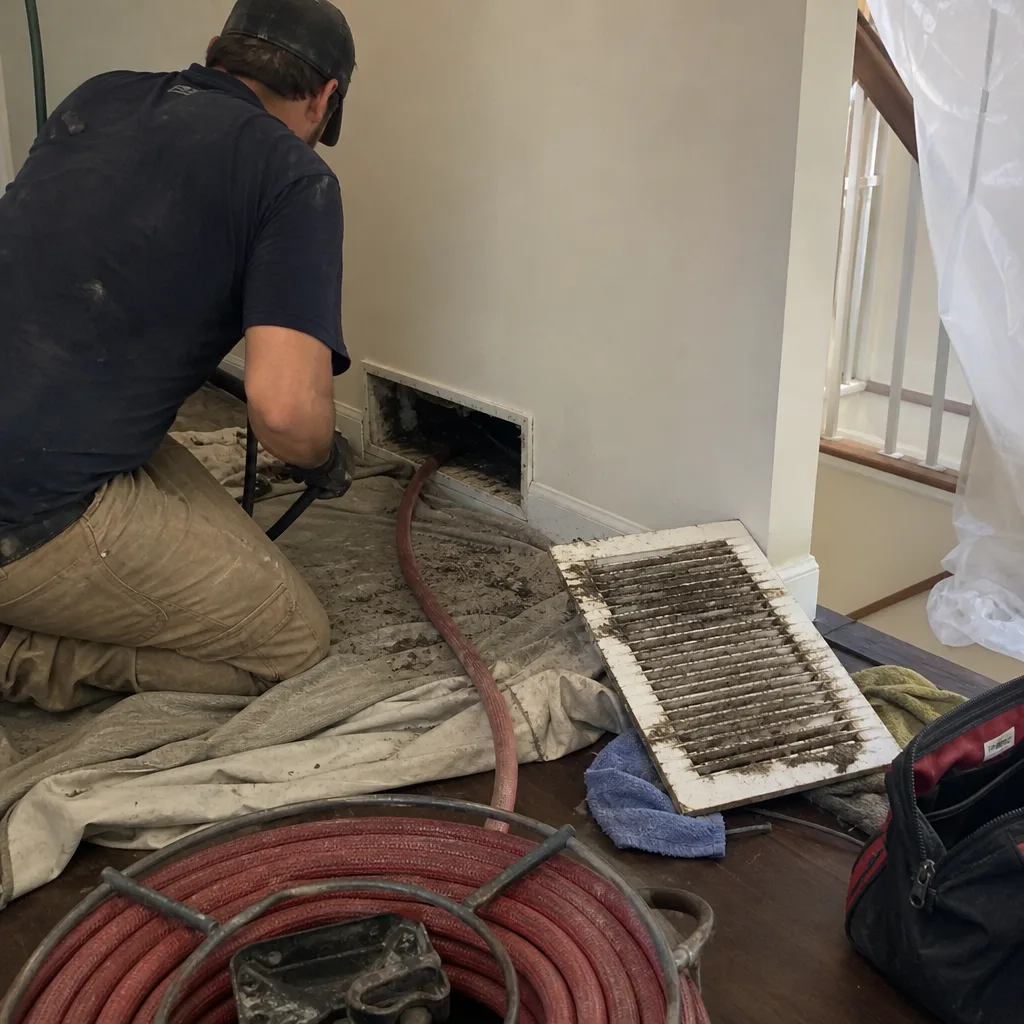 Before
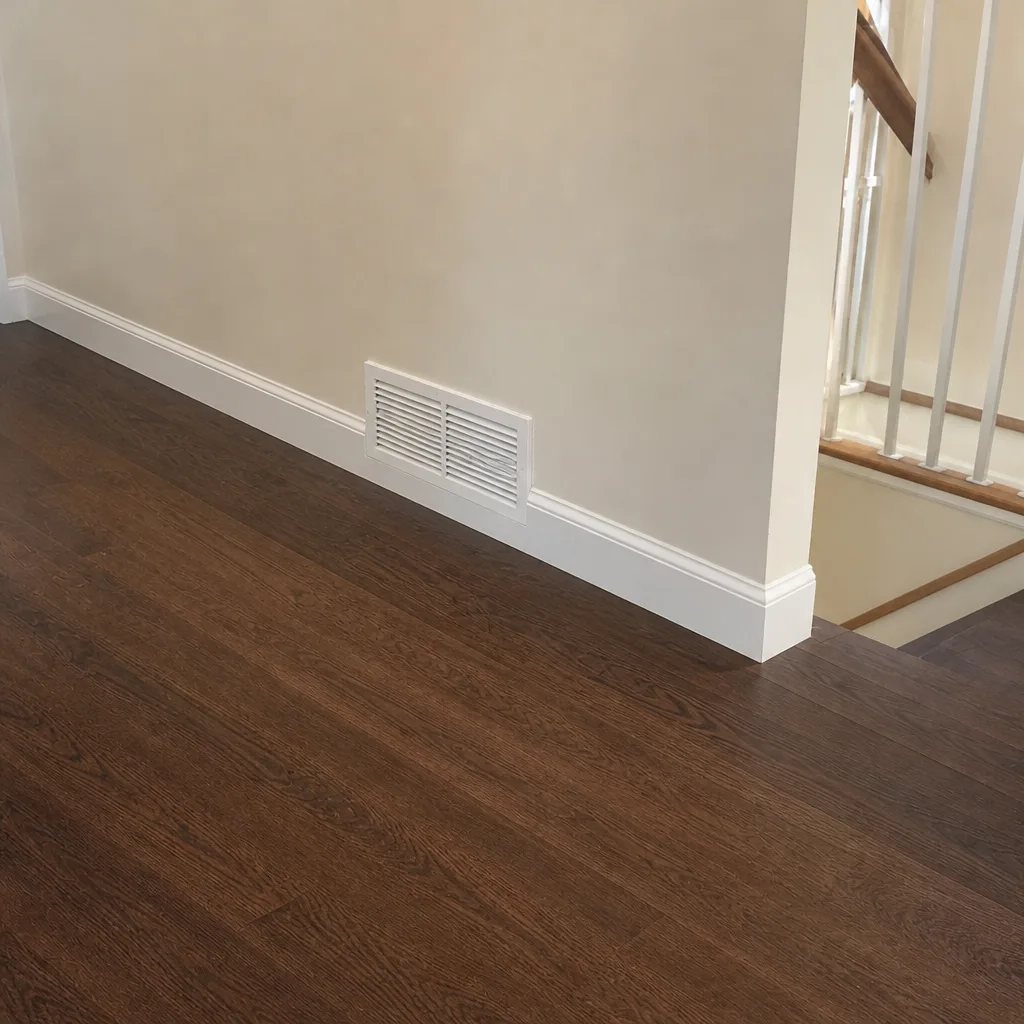 After
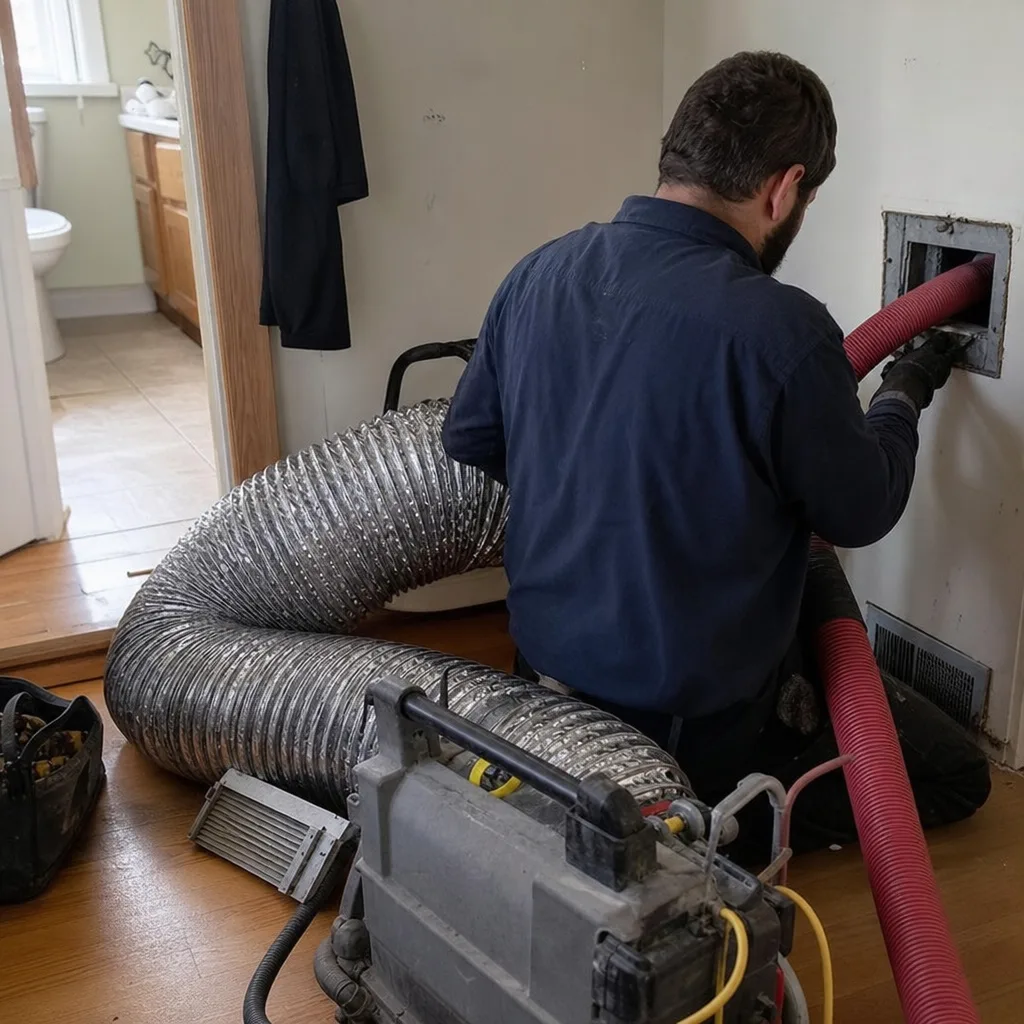 Before
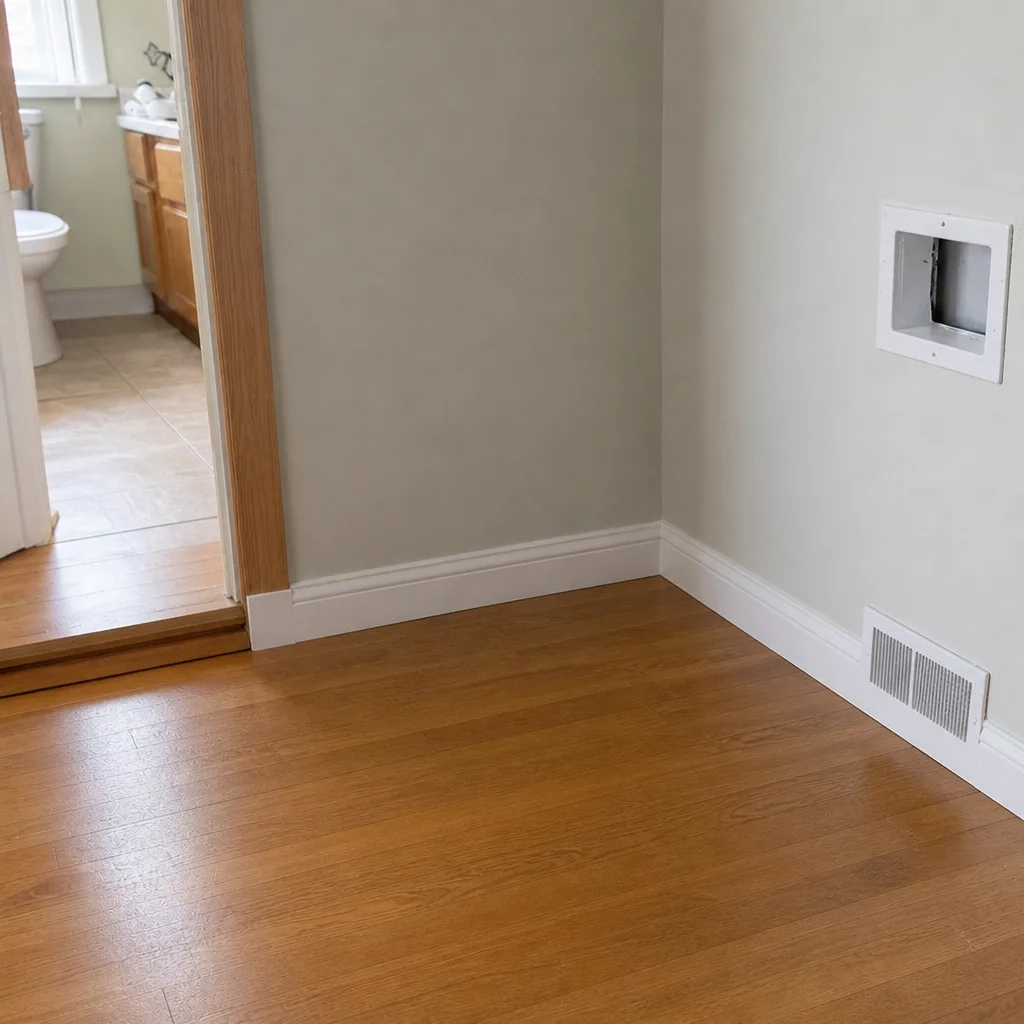 After
 Before
 After
When to Call a Professional
You should call a professional duct cleaning service in Somerton when any of these are true: you’re seeing debris inside the ducts, dust puffs at multiple registers, a persistent musty smell at the vents, a room that has lost all airflow, or a cluster of three or more warning signs that have appeared during the last year. Same for any recent renovation, a move into a home with unknown history, or a home where someone has significant respiratory concerns.
For a quick check of the dryer vent, call if the dryer is taking longer than it used to, if the exterior vent flap doesn’t open cleanly, or if the laundry area smells of warm lint. A certified technician can inspect the run and clear it in the same visit as a duct cleaning.
Air Duct Cleaning Somerton offers free estimates in Somerton. Call (833) 482-7267. We answer 24/7. Fast dispatch from 7am to 7pm, Sunday through Friday.
Frequently Asked Questions
The single most reliable sign is a dust puff at the supply registers when the system starts. That indicates debris resting on the duct interior and being disturbed by airflow. If you see it at more than two registers, cleaning is worth booking. Call (833) 482-7267 for an exact quote – estimates are free.
Cost depends on the size of the system, the number of runs, and whether any sealing or repair is needed, and the final price is set per job by the written estimate. Flat pricing per system, agreed before work starts, is what we do, and we don’t quote per-vent teaser prices. Call (833) 482-7267 for a free estimate tailored to your home.
Cheap quotes usually leave out the equipment that matters: containment, rotary agitation, and a proper collection system. A quote without negative-pressure containment means loosened debris has nowhere to go but back into your rooms. Flat, whole-system pricing with the equipment requirement spelled out is the honest comparison. Call (833) 482-7267 to talk through what’s included in ours.
Before-and-after photos of your own ducts, taken during the visit, are the clearest proof. Ask for them. We take them by default, and we walk the customer through the difference on the spot. Call (833) 482-7267 for an estimate and a discussion of the process.
It’s a condition-driven service, not a calendar one. Clean after renovations, after moving into a home with unknown history, after a pest issue, or once the warning signs from this guide start accumulating. For a Somerton home with no unusual events and clean filters kept on schedule, five to seven years between services is a reasonable working guess. Call (833) 482-7267 for a free estimate.
It can reduce one source of indoor particulate load, which often helps people who are sensitive to dust and biological material recirculating through the system. It isn’t a medical treatment, and results vary by home and by sensitivity. The most useful outcomes come from cleaning paired with upgraded filtration, such as the Guardsman, Honeywell, or Aprilaire products we service. Call (833) 482-7267 for an estimate.
The Bottom Line
Duct problems announce themselves. Dust puffs at the registers, uneven room temperatures, musty smells at the vents, and rising bills that don’t match a rate change are the four categories of signal that matter most. Most of what Somerton homeowners deal with comes from debris accumulation, leaks at joints, or a flexible run that has sagged into a collection point. Ruling out the equipment yourself, with the walk-through in this guide, saves you from making the wrong call. When the signs are clear, cleaning paired with sealing and the right equipment brings the system back to what it should be doing. Your dryer vent is a fire risk – we treat it that way, and it’s worth treating as part of the same indoor air pathway. Our technicians have up to 13 years of experience, and we work with the equipment that actually contains what gets loosened.
Call Air Duct Cleaning Somerton at (833) 482-7267 for a free estimate. We answer 24/7. Fast dispatch from 7am to 7pm, Sunday through Friday. If you call outside those hours, we’ll book you into the next opening.
Written by the team at Air Duct Cleaning Somerton.