
Last updated November 25, 2026
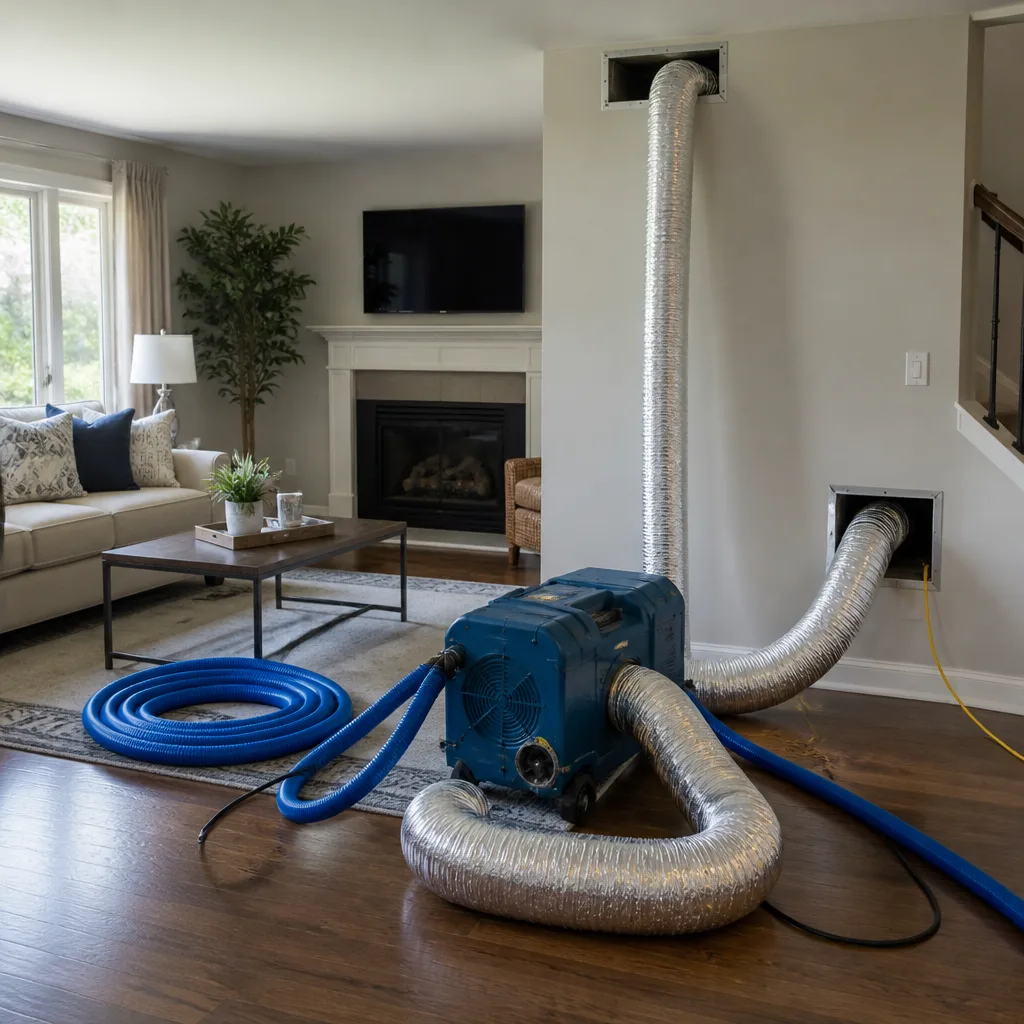 Whole-home duct cleaning
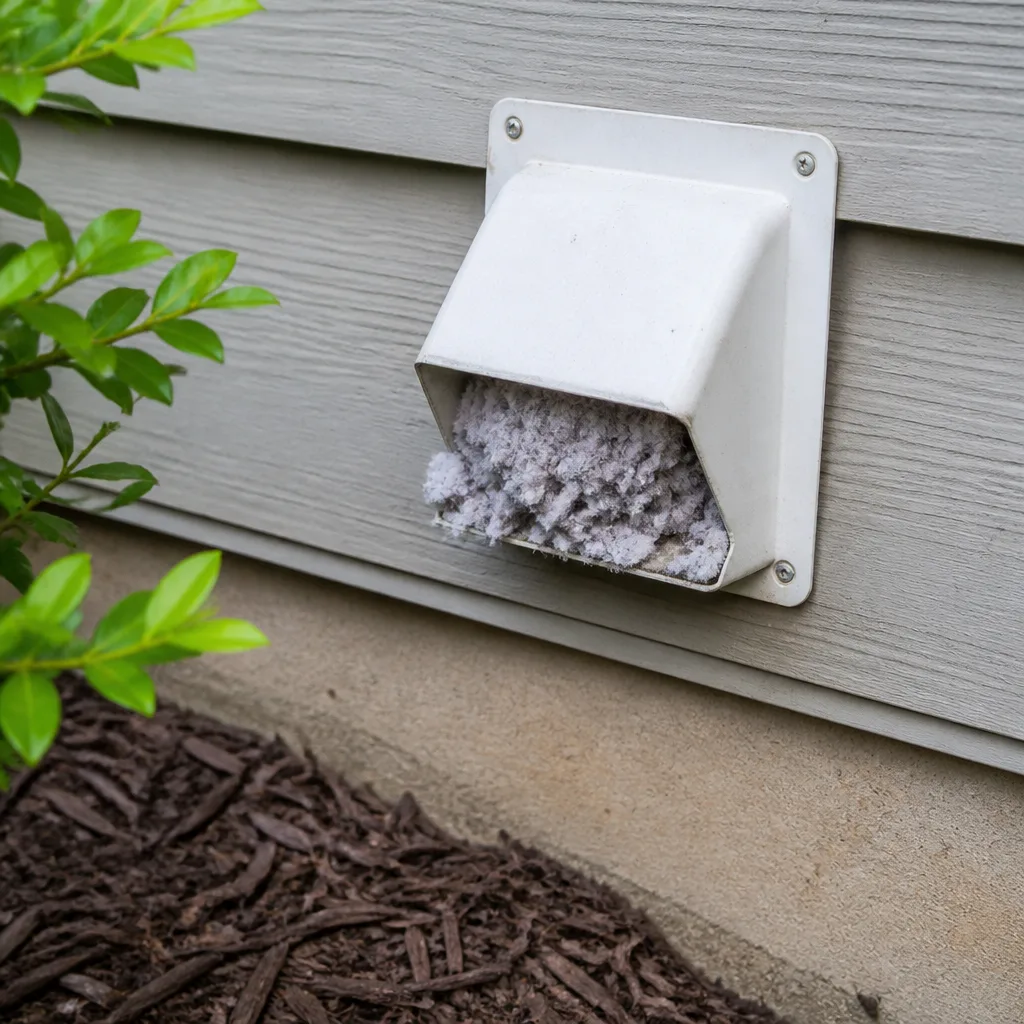 Dryer vent cleaning
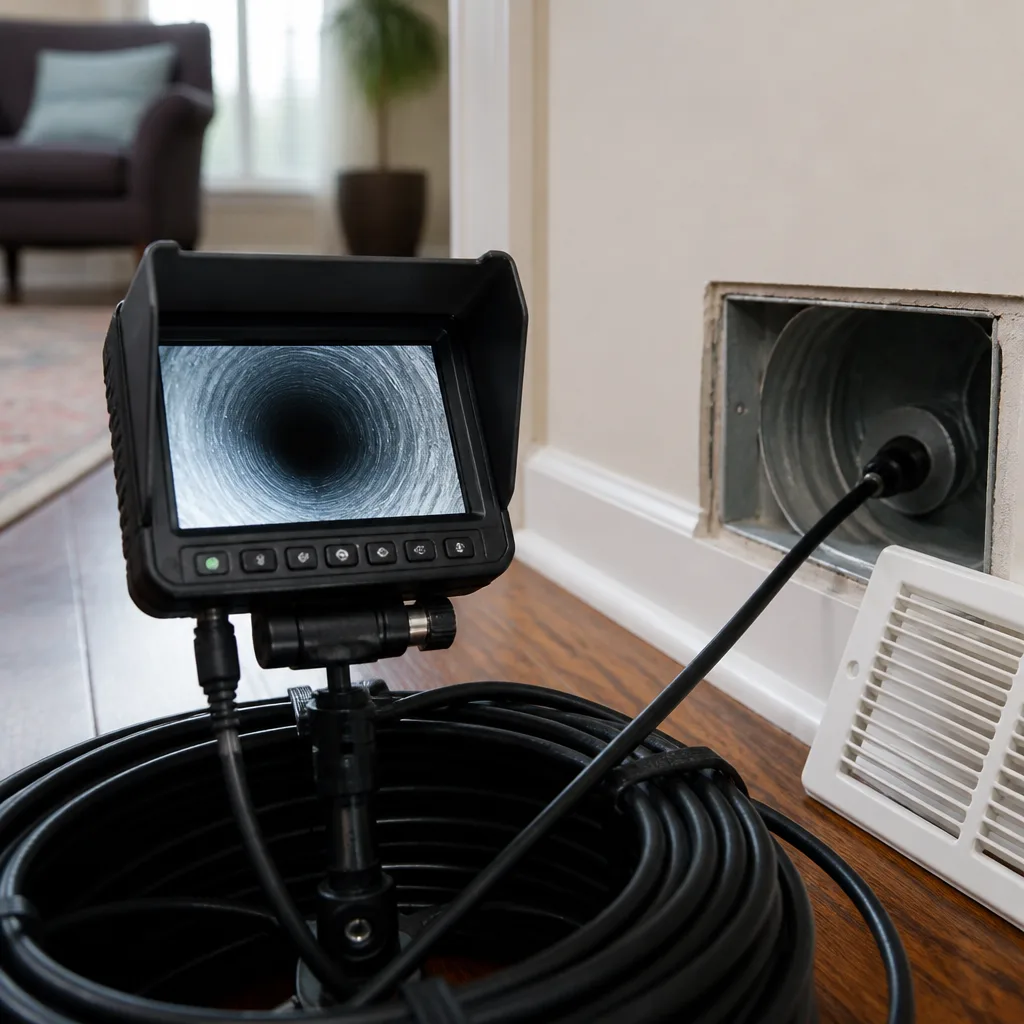 Camera inspection
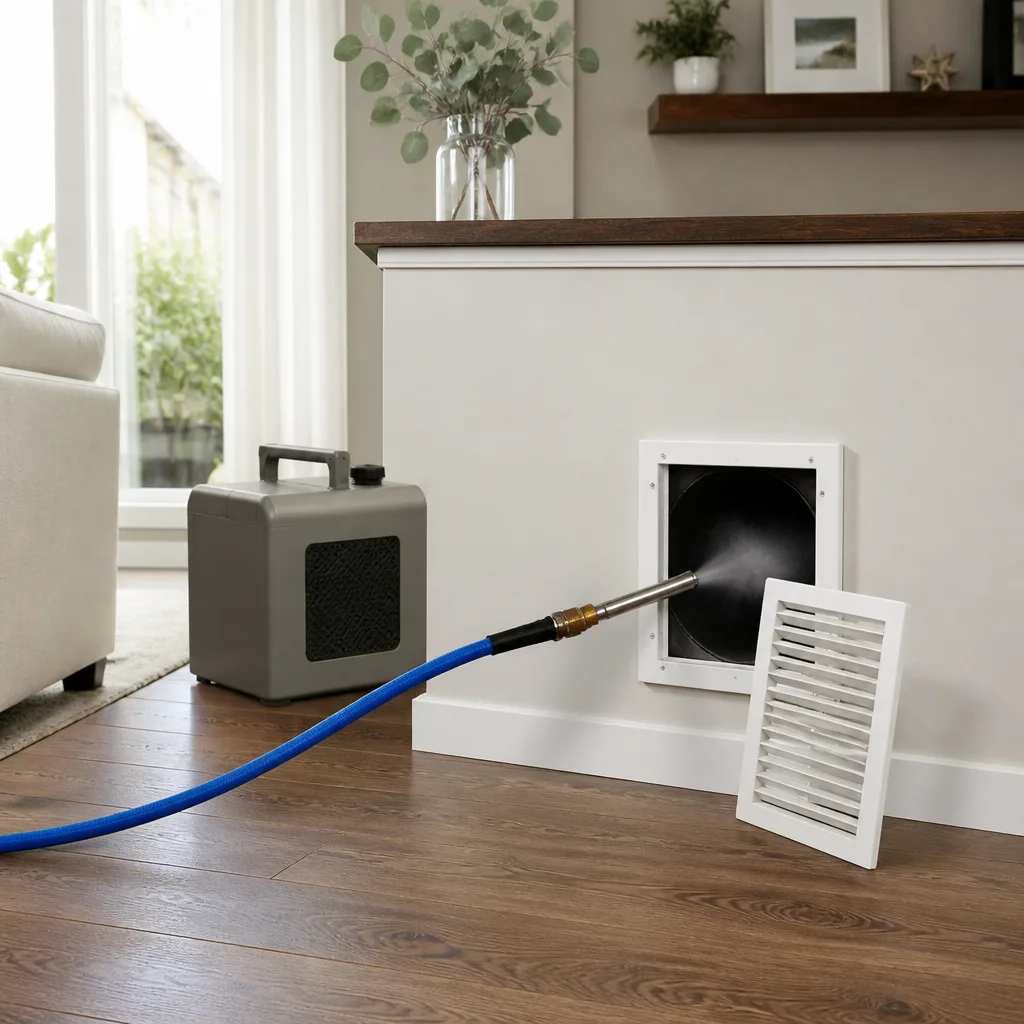 Sanitizing & deodorizing
Whole-system duct and dryer vent check with before-and-after photos - you see exactly what came out of your vents
That "$99 whole-house special" is a bait ad - the real number appears once they are in your hallway, or the "clean" is a shop-vac at the register. We photograph the inside of your ducts before and after instead.
Air Duct Cleaning Permits, Codes & Inspections in Somerton, PA: What You Need to Know
Here’s the part most homeowners get wrong: air duct cleaning itself usually needs no permit in Pennsylvania. So people assume the whole job is regulation-free. It isn’t. The moment a technician opens a duct system in an older Somerton home and finds suspect insulation, or the job shifts from cleaning to modifying ductwork, a completely different set of rules switches on. Those rules can pause a job mid-day, and they can follow you to the closing table years later. This guide walks through what actually triggers a permit, what a pre-1978 home requires before work starts, and what paperwork to keep.
Quick Answer
Routine air duct cleaning in Somerton does not require a permit, because cleaning and inspection are maintenance, not construction. A permit can become necessary when the job involves cutting, adding, rerouting or replacing duct runs, which falls under the Pennsylvania Uniform Construction Code (PA UCC) and is enforced by your local code office. Separately, if a contractor finds asbestos-containing material, vermiculite, or mold inside the system, work must stop and the correct abatement or remediation rules apply before cleaning can continue.
Styles & brands we work with
- Whole-home duct cleaning
- Dryer vent cleaning
- Camera inspection
- Sanitizing & deodorizing
Table of Contents
- Does Air Duct Cleaning Need a Permit in Somerton?
- Cleaning vs. Repair: Where the Line Sits Under the PA UCC
- Asbestos, Vermiculite and Pre-1978 Somerton Homes
- When Mold Inside Ducts Changes the Rules
- What an Inspection Actually Covers
- Documentation to Keep for Disclosure and Resale
- How a Code-Aware Cleaning Job Should Run, Step by Step
- Why Somerton Duct Systems Get a Workout
Does Air Duct Cleaning Need a Permit in Somerton?
No. Cleaning the inside of an existing duct system is maintenance work and does not require a building permit in Somerton or anywhere else in Pennsylvania. A technician who runs a rotary brush through your supply and return trunks, pulls the debris into a negative-pressure HEPA unit, and reseals access points is not performing construction. No inspection is scheduled, no permit card is posted, and nothing gets filed with the township.
What surprises people is that this is exactly the reason documentation matters more, not less. When no permit is issued, there’s no third-party record that the work happened, who did it, or what they found. On a home sale in Somerton, that gap lands on the seller. Keep reading, because the paperwork section below is where this becomes practical.
Two conditions shift a cleaning job out of the “no permit” lane:
- Physical modification of the duct system. Adding a run, removing one, resizing, rerouting, or replacing rigid duct with flex (or the reverse) is construction work. That falls under the Pennsylvania Uniform Construction Code, which the state adopts and municipalities administer.
- Discovery of regulated material. Asbestos, suspect insulation, or active mold growth inside the system isn’t a cleaning problem anymore. It’s an abatement or remediation problem with its own rules.
One local wrinkle worth knowing: Somerton sits in Philadelphia County, and permitting here isn’t uniform across the maps people use. Pennsylvania is a patchwork of municipal code offices, and some addresses in and around Somerton are administered under city rules rather than township ones. If you’re ever unsure which office governs your property, the safe move is a single phone call to the code office named on your property record before work starts. It takes five minutes and it removes all doubt.
What counts as cleaning
Source removal is the standard. Agitation with a rotary brush or air whip, containment under negative pressure, extraction into a sealed vacuum, and a final visual check. Nothing is cut, nothing is added. If a contractor tells you cleaning requires a permit, that’s your cue to ask exactly what they plan to cut.
What counts as modification
Anything that changes the system’s layout or capacity. Baffles, dampers, new trunk lines, transitions at the air handler, and reconnecting a run that was abandoned all sit on this side of the line. Modification work also means someone has to verify the system still delivers the airflow the equipment was designed for.
Cleaning vs. Repair: Where the Line Sits Under the PA UCC
This is the distinction that trips up most Somerton homeowners, and it’s where honest quoting separates from the rest. Cleaning is maintenance. Repair and modification are regulated work, and the Pennsylvania Uniform Construction Code applies to the second category, not the first.
Here’s how the two sides break down:
- Cleaning: source removal inside existing ducts, register and grille cleaning, air handler and coil cleaning, blower compartment cleaning. No permit. No inspection.
- Repair: sealing leaks at joints, boots and plenums; reattaching a separated run; replacing a crushed section of flex with like-for-like material. Mending what’s there, keeping the layout intact.
- Modification: adding a new supply or return, rerouting a run around a finished wall, changing duct size, or replacing a large portion of the system. This is where a mechanical permit under the PA UCC typically comes in, and where the work should be inspected.
Leak sealing is the interesting middle ground. Sealing a joint is repair; nobody expects a permit to mastic a boot. But if sealing turns into redesign, with new trunk lines or changed sizing to fix an airflow problem, you’ve crossed into permitted work. We do duct repair and sealing on the same visit as a cleaning because a loose joint at a ceiling boot undoes half the cleaning the moment the blower comes on. When that repair is simple, it stays simple. When it isn’t, we say so before anyone touches a tool, and the written estimate reflects the actual scope.
Why the line matters to your wallet
A job quoted as cleaning that quietly becomes modification is the classic bait-and-switch shape: a low number on the phone, a much bigger one on site. One flat price per system, agreed before work starts, with the scope spelled out, is how you avoid it. If the scope genuinely changes because of what’s found inside the system, you should hear it as a new conversation, not a surprise invoice.
Why the line matters to your resale
Unpermitted modification can surface during a buyer’s inspection in Somerton, and it becomes a negotiating item. A documented, properly permitted modification is a fact. An undocumented one is a question.
Asbestos, Vermiculite and Pre-1978 Somerton Homes
Somerton has a large share of homes built before 1978, and that single fact changes how a duct cleaning job should be approached. Homes from that era were often built with materials that are entirely ordinary for the period and entirely regulated today. Duct systems are one of the places this shows up.
Where suspect material can appear inside a duct system:
- Insulation wrapping or lining on duct runs. Older duct systems were sometimes wrapped or internally lined with fibrous material. Some of it is suspect.
- Vermiculite insulation. Loose, pebbly, gray-brown insulation in attics, wall cavities and around duct chases. It’s a known concern of its own and it doesn’t belong in a vacuum hose.
- Seam tape and joint compound. Older duct sealants and joint muds can contain asbestos, which means an aggressive brush near a taped joint can disturb material that was stable in place.
- Air handler and plenum insulation. The board or wrap around older furnaces and plenums is worth a look before the unit is opened.
Here’s the regulatory part that most people never hear. Asbestos work in Pennsylvania falls under rules administered by the Pennsylvania Department of Environmental Protection, with federal EPA rules layered on top. Those frameworks don’t care whether you call the job cleaning. If the work will disturb asbestos-containing material, the rules apply, and cleanup and disposal have requirements. Ventilation systems themselves can be part of a regulated scope.
The practical consequence for a Somerton homeowner is simple and it’s the central point of this guide: ask for an asbestos screening protocol before duct work begins, not just a quote. A proper protocol looks like this:
- The technician opens a representative access point and visually inspects the interior duct surface and any insulation wrap before starting agitation.
- Any suspect material stops the job. No brush, no air whip, no vacuum head near it.
- If material is suspect, a sample is collected by a qualified party and tested. The contractor should not be the one deciding a sample is or isn’t asbestos.
- Work resumes only after the result comes back. If asbestos is present, an abatement plan is set up before any cleaning continues.
That’s the difference between a cleaning and an inspection that happens to include cleaning. In our experience, most duct systems in pre-1978 Somerton homes are clean-scope once they’re actually looked at. The screening isn’t there because problems are likely; it’s there because the cost of guessing wrong is not a cleaning problem, it’s a regulatory one. Any contractor who brushes off the question is telling you something about how they handle everything else.
When Mold Inside Ducts Changes the Rules
Mold inside a duct system is a separate framework from asbestos, and it needs its own answer. If active mold growth is present on duct surfaces, coils, or the air handler, cleaning alone isn’t the job. Remediation is, and in Pennsylvania that means a contractor with the specific mold remediation certification the state’s requirements call for.
What separates a mold situation from a musty smell:
- Active growth on duct surfaces, the coil, the drain pan, or the plenum, visible on inspection.
- Persistent musty odor in multiple rooms that doesn’t clear when the system runs.
- Moisture source that hasn’t been corrected: a saturated coil, a blocked drain, high humidity in an unconditioned space, or condensation on cold duct runs.
- Water damage history in the air handler closet or the duct chase.
Here’s the rule of thumb that matters: if you don’t fix the moisture, remediation won’t hold. Killing growth and leaving the water source in place just sets the clock. That’s why the sequence should be moisture correction first, then remediation, then the clean, then filtration. This is also why sanitizing is a step that follows proper cleaning rather than a substitute for it. Fogging over a still-dirty duct surface is marketing, not remediation.
Pennsylvania’s Home Improvement Contractor registration is the other piece worth knowing about here. Anyone doing home improvement work for a consumer, which includes duct work, is subject to the state’s HIC registration framework. That’s a general contractor registration, not a specific mold certification, and it’s a fact worth confirming on a contractor’s paperwork. Ask for the registration before the work starts. It’s a public record and it’s not rude to check.
What a mold-aware job looks like
Containment comes first. We use Abatement Technologies negative-air machines on jobs where loosened contaminants could otherwise find their way back into living space. That’s not a small detail when a Somerton home has mold present: the machine is what keeps your kitchen from becoming the collection point. Remediation of the growth, correction of the moisture source, then a full clean of the system, then sanitizing. Air quality products from Honeywell or Aprilaire come at the end, as the long-term layer.
What an Inspection Actually Covers
Air duct cleaning inspections in Somerton come in two flavors, and it helps to know which one you’re getting. The first is the visual inspection that’s part of a cleaning job. The second is a code inspection triggered by permitted modification work. Those aren’t the same event and they aren’t done by the same people.
The cleaning-associated inspection should cover:
- Access points. Where the system gets opened, and whether the openings will be properly resealed when the job is done.
- Duct interior. A visual check on each main trunk and representative runs, before and after cleaning.
- Air handler and coil. Coil condition, drain pan, and blower compartment. A coil left dirty is a duct system half cleaned.
- Joints and connections. Leaks at boots, plenums, and runs back to the trunk. That’s where sealing work is identified.
- Return side. Many jobs focus entirely on supply runs. A full-system scope includes returns.
- Dryer vent, separately. Not connected to the duct system, but worth handling on the same visit.
- Documentation. Photos and a written scope. Before-and-after is the only verifiable record of what was cleaned.
The code inspection is different. If a permit was pulled for modification work, a code official inspects the installation against the PA UCC. That’s an independent check, and it’s exactly what makes a permitted modification defensible on resale. Your paperwork trail should contain both: the cleaning record and the permit close-out, if a permit applied.
One thing we always check on older Somerton houses: the chase where ducts run through unconditioned space. Duct work that was fine when it was installed can be sagging, disconnected or crushed after decades of settling and mechanical replacement. Disconnected runs don’t show up in a static pressure reading. They show up on a walk-through.
Documentation to Keep for Disclosure and Resale
The paperwork you keep is the part of this guide that pays off years from now. Pennsylvania real estate transactions rely on seller disclosure. Duct work is part of what a careful buyer asks about, and what you have documented turns a question into an answer.
What to keep after any duct service in Somerton:
- The written estimate and scope. What was agreed, what was included, and what the price was. One flat price per system should be readable in the document.
- Before-and-after photos of your own ducts, labeled by location.
- The service record: date, services performed, equipment used, and which contractor did the work.
- Any testing result. If asbestos screening or air quality testing was done, keep the results with the report.
- The permit close-out for any modification work, plus the contractor’s permit number.
- Certifications and registrations relevant to the work: mold remediation certification if it was involved, the contractor’s Home Improvement registration.
Disclosure duties vary by transaction and by what a seller knows, so we’re careful here: what you disclose to a buyer is ultimately a question for your real estate professional and, if needed, an attorney. What we can say is that documented work is straightforward. Undocumented work becomes a negotiation. If you ever want a record reissued, a written scope is the thing to ask for.
Homeowners in Somerton and nearby areas should also keep the equipment detail: which machines were used, what the containment setup was, and whether the system had any air filtration products installed afterward. That’s not trivia. It’s the difference between a receipt and a record.
How a Code-Aware Cleaning Job Should Run, Step by Step
This is the sequence a professional cleaning job should follow, and it’s also a fair checklist for judging any Somerton contractor’s plan. If a quote doesn’t anticipate these steps, it’s not a complete plan.
- Ask about the home’s age and any known work. Pre-1978 homes get the asbestos screening protocol before anything is opened.
- Walk the system. Identify all runs, both supply and return, and note access points. Note any compressed, sagging or disconnected duct.
- Set containment. Negative-air equipment keeps loosened material from moving into living space. This step happens before cleaning, not after.
- Open access and inspect. Confirm no suspect material is present. Any finding stops the job and starts the proper conversation.
- Clean under containment. Rotary brush and air-driven agitation on duct surfaces, extraction into a sealed vacuum. Equipment matters more here than anywhere. A shop vac and a hose doesn’t agitate anything; it just moves dust around.
- Clean the air handler and coil. A system isn’t clean if the coil and drain are dirty. This is a full-pathway job.
- Seal what’s leaking. Any identified leaks get sealed on the same visit. A clean system with a leaking plenum is a clean system for about a week.
- Sanitize if appropriate. Following cleaning, not as a substitute for it.
- Photo documentation. Before and after, per system. These photos are the record.
- Written scope and final inspection. Everything from the visit is in a document you can keep.
Two equipment specifics worth naming, because they show up in the plan or they don’t: our technicians run Rotobrush and Nikro systems, and use Abatement Technologies negative-air machines during service. That’s less a brand statement than a scope statement. The tool set is what determines whether the job cleans the system or just disturbs it.
What about the dryer vent?
It isn’t part of the HVAC system and it has no duct cleaning permit question at all. It’s also the leading cause of residential fires. dryer vent cleaning is its own service and we handle it as a standalone job or on the same visit. If the ducts get cleaned, the dryer vent should get cleaned too.
Why Somerton Duct Systems Get a Workout
Somerton’s climate does specific things to ductwork. Hot, humid summers and cold winters mean the HVAC system runs long stretches in both directions, which keeps the blower moving a lot of air for much of the year. That’s the baseline.
Then there’s the moisture side. Summer humidity in this region is hard on air handler closets and coil drains. When a coil pan fills or a drain clogs, the moisture sits right where the air passes. That’s the setup for mold growth, and it’s the reason the inspection step below the coil matters more in this climate than in a dry one. A clean duct system in Somerton doesn’t stay clean if the coil and pan are wet.
The other local factor is housing stock. Many homes in and around Somerton have duct systems that were installed decades ago, then added to, modified, and reconnected over the years as heating systems were replaced. That’s normal. It also means disconnected runs and crushed flex are common enough that a walk-through before cleaning is not optional. Cleaning a system that’s leaking into an attic doesn’t accomplish much. Sealing it first, then cleaning, gets you a result.
One more thing about returns
Supply runs get the attention. Returns do the collecting. If your return trunk is full of debris, everything it pulls through goes back into the blower, and the supply side gets re-contaminated. Any HVAC cleaning scope that skips the returns is a partial job, whatever the price.
Common Mistakes to Avoid
- Accepting a quote that says nothing about the home’s age. In a pre-1978 Somerton home, no asbestos screening protocol means no protection if suspect material gets disturbed. Ask what happens if the technician finds something.
- Assuming a permit-free cleaning needs no documentation. No permit is exactly why you want before-and-after photos and a written scope. Without a permit record, these are the only proof the work happened.
- Treating mold as a cleaning issue. Active growth inside the ducts is a remediation job with its own requirements and moisture correction first. Sanitizing over a dirty surface is not the same thing.
- Letting a cleaning quote quietly become modification work. If a technician starts talking about new runs and resizing, that’s permitted work and a new scope. It should be a conversation before the tools come out.
- Skipping the coil and air handler. Ducts are one part of the air pathway. A dirt-free duct system fed by a dirty coil is a re-contamination loop. Full-system scope or nothing.
- Ignoring leaking joints. A clean system with an open plenum seam pulls attic and crawlspace air all year. Sealing belongs on the same visit as cleaning, not handed to another contractor.
- Throwing away the paperwork. When a Somerton house changes hands, documented service is an asset. The receipt should include the scope, photos, and equipment used.
See the difference
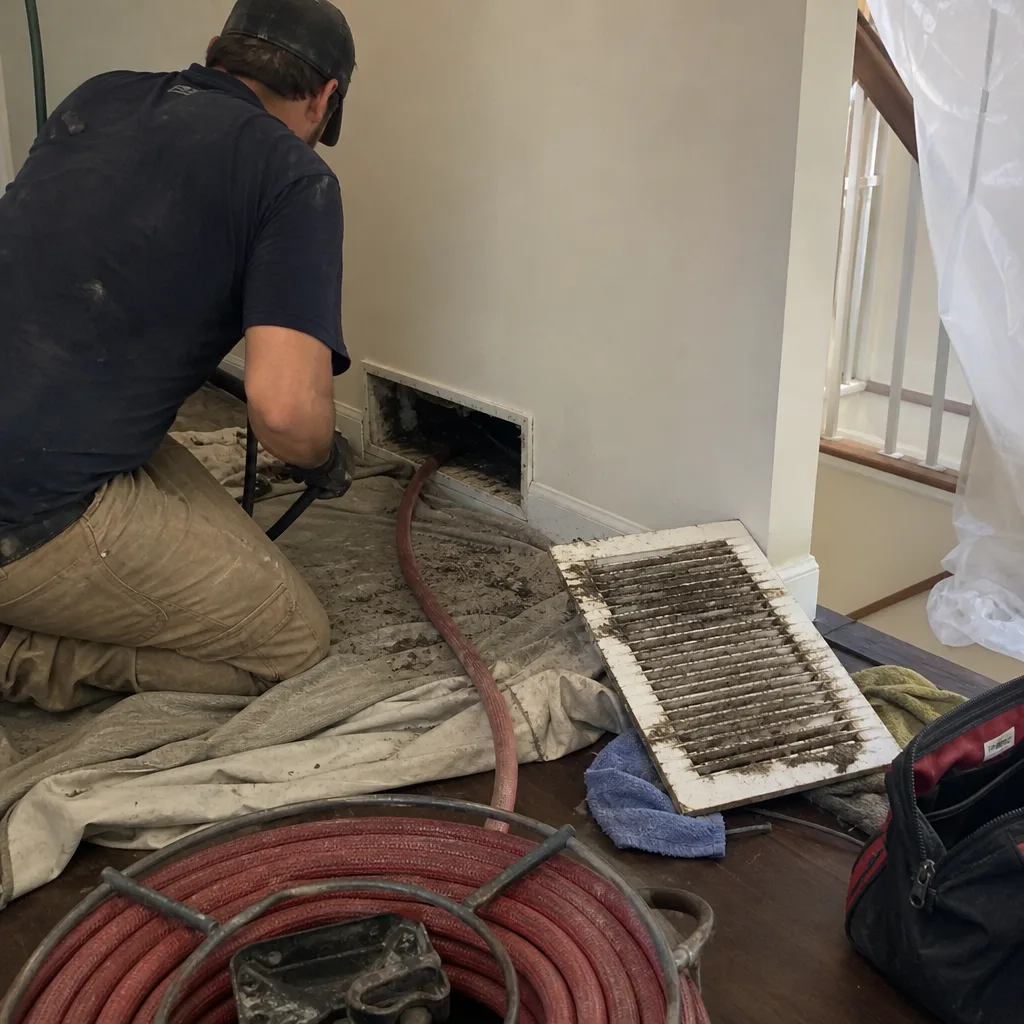 Before
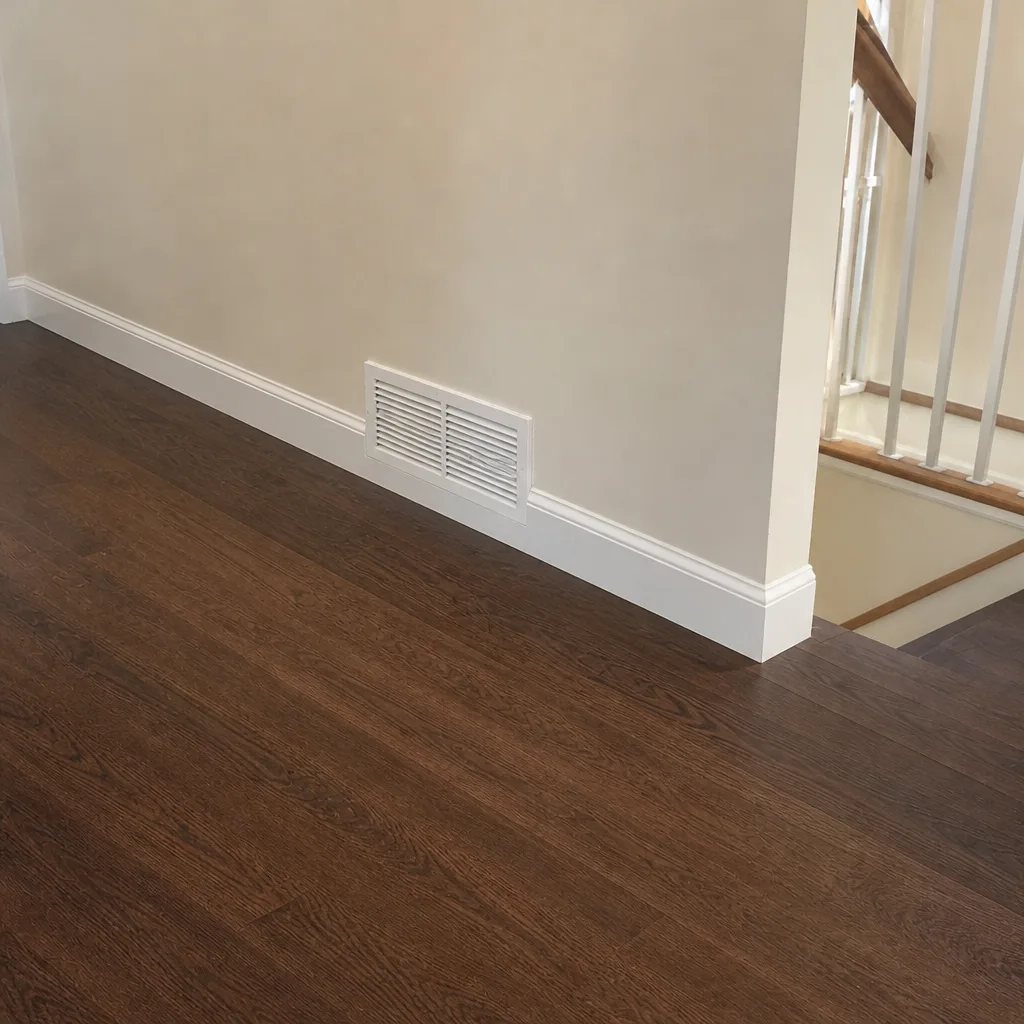 After
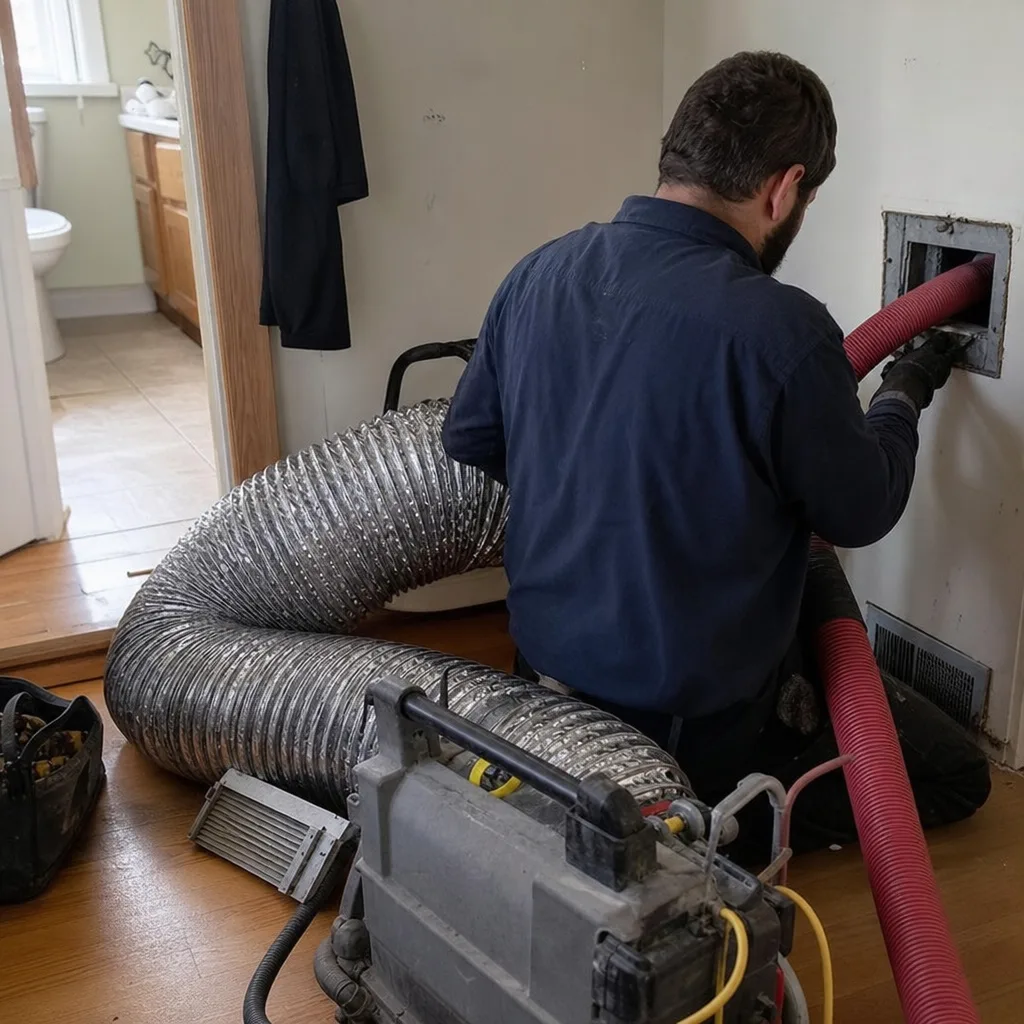 Before
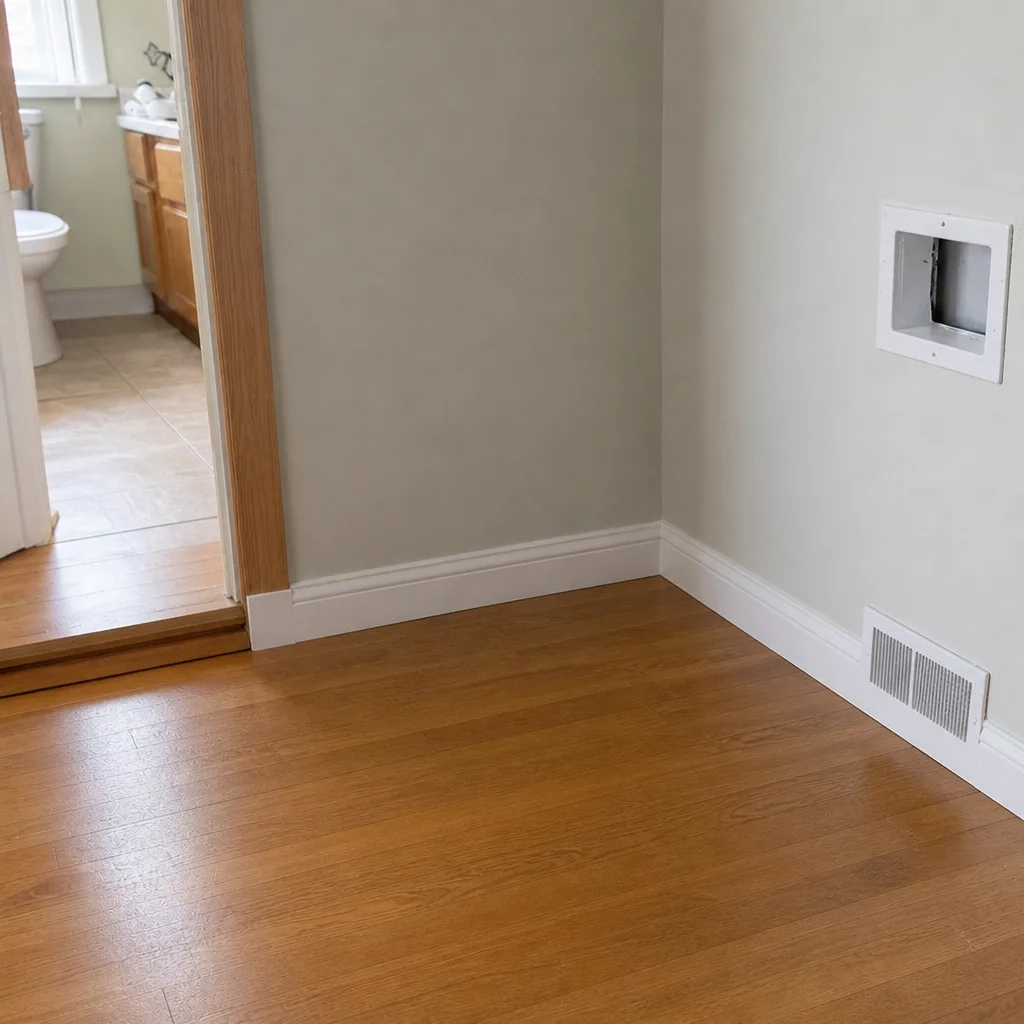 After
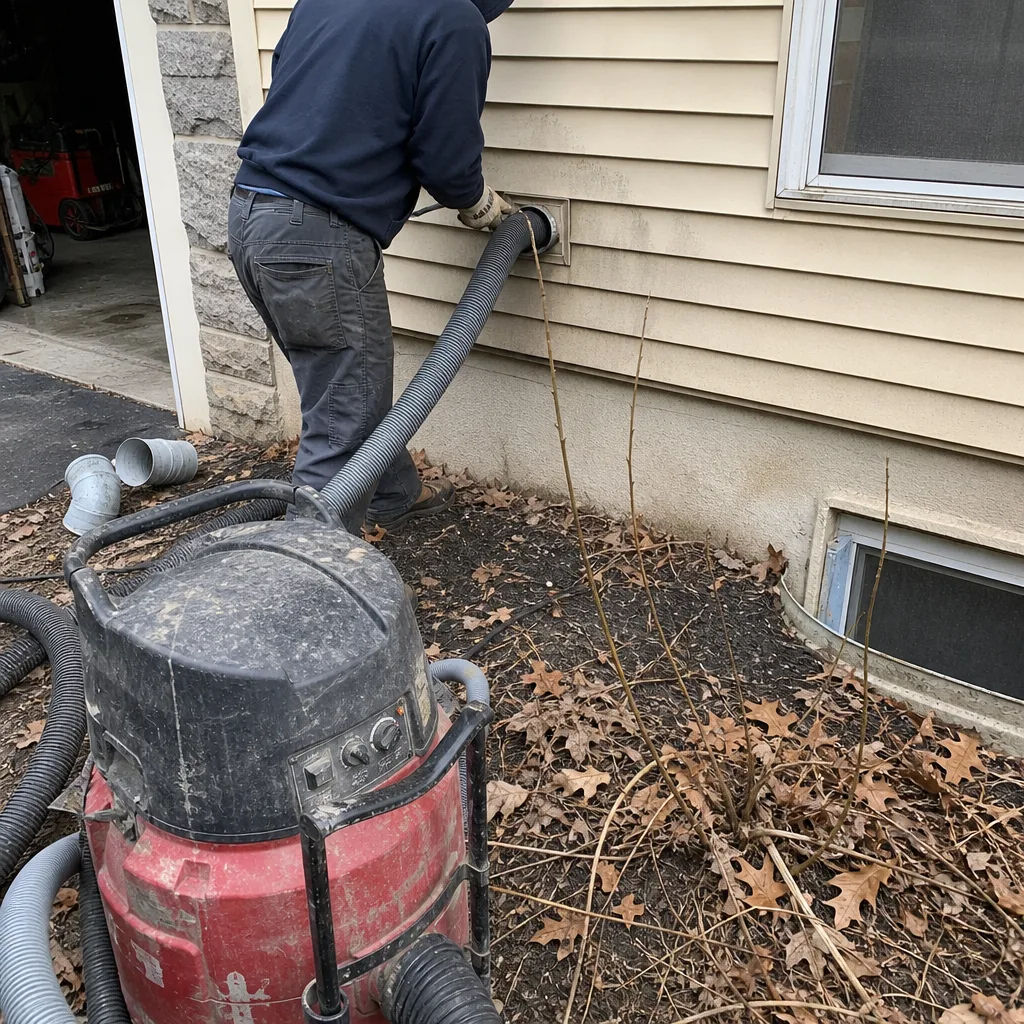 Before
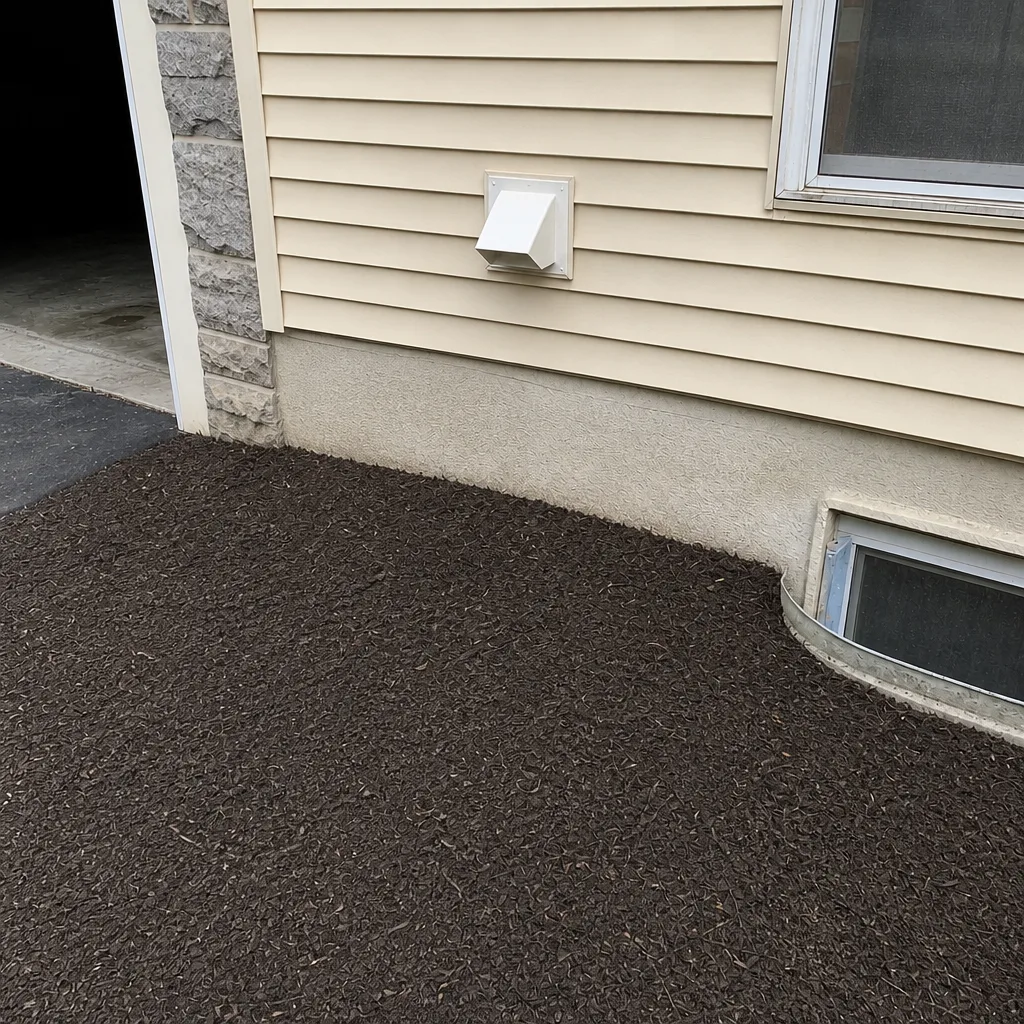 After
When to Call a Professional
Some things are a judgment call. These aren’t: a persistent musty odor that stays after a filter change, visible mold at a register or on the air handler, allergy symptoms that get worse when the system runs, or a duct system that hasn’t been opened in several years. A crushed or disconnected run showing up as uneven airflow room to room is another. Pre-1978 housing stock adds one more: before any duct work begins in an older Somerton home, it’s worth having a professional look before a brush goes in. The screening matters more than the cleaning schedule.
Dryer vents deserve the same seriousness. A dryer that takes two cycles to dry a load or heats up noticeably is a vent problem, and it’s worth treating as one.
Air Duct Cleaning Somerton offers free estimates in Somerton. Call (833) 482-7267. We answer 24/7. Fast dispatch from 7am to 7pm, Sunday through Friday. You get one flat price per system agreed before work starts, plus before-and-after photos of your own ducts. Full-system scope: Air Duct Cleaning Somerton, with air duct cleaning as the core service.
Frequently Asked Questions
No. Cleaning the inside of existing ductwork is maintenance and doesn’t require a permit in Somerton or elsewhere in Pennsylvania. A permit can become necessary when the job involves modifying the duct system, such as adding, resizing or rerouting runs, which falls under the PA UCC and the local code office. If you’re unsure which office governs your property, one call to your municipality resolves it.
Ask for the asbestos screening protocol, not just a quote. That means a visual inspection of duct interiors and any insulation wrap before any agitation begins, a stop-work step if material is suspect, and independent testing if needed. Material found in the system falls under Pennsylvania DEP and federal EPA rules, so the decision isn’t the cleaning contractor’s to make. Any contractor who will not answer this question clearly is not the right contractor for an older home. Call (833) 482-7267 for an exact quote; estimates are free.
Mold remediation carries its own requirements in Pennsylvania, separate from duct cleaning, and the contractor should hold the mold remediation certification the state requires. No permit is typical for the remediation itself, but the moisture source must be found and corrected or the problem returns. Cleaning comes after remediation, and sanitizing comes after cleaning. If you smell something musty whenever the system runs, call (833) 482-7267; estimates are free.
Cleaning is maintenance on the inside of an existing system. Repair means restoring what’s there: sealing a leak, reattaching a separated run, replacing a damaged section with like-for-like material. Modification changes the layout or capacity, and that’s where a mechanical permit under the PA UCC typically comes in. A written estimate should tell you clearly which one you’re getting before any tools are out. Call (833) 482-7267 for a scope-specific estimate.
Keep the written estimate and scope, before-and-after photos of your own ducts, the service record with the date and equipment used, and any testing results. If a permit was pulled for modification work, keep the permit close-out too. These documents make a future disclosure question in a Pennsylvania home sale straightforward instead of a negotiation. Whether and what to disclose is a question for your real estate professional.
Pricing for a full-system job depends on the number of systems, size and accessibility of the ductwork, and whether repair or sealing is included. We quote per system based on a walk-through, give one flat price before work starts, and don’t price by the vent. That eliminates the bait-and-switch of a low phone quote that grows once the technician is on site. Call (833) 482-7267 for an exact quote; estimates are free.
The Bottom Line
Cleaning your ducts in Somerton doesn’t require a permit. That’s true and it’s also the least useful half of the story. The half that matters: opening an older system responsibly starts with an asbestos screening protocol in pre-1978 homes, mold requires remediation before cleaning, modification work needs a permit under the PA UCC, and the paperwork you keep for years is what protects you at resale. If you take one thing from this guide, take the checklist: ask about screening, ask about scope, ask for documented before-and-after photos. Full-pathway cleaning, sealing and air quality products from Honeywell and Aprilaire make sense together; they’re a sequence, not separate purchases.
Call (833) 482-7267 to schedule a free estimate. We answer 24/7. Fast dispatch from 7am to 7pm, Sunday through Friday. One flat price per system, agreed before work starts.
Written by the team at Air Duct Cleaning Somerton.