
Last updated November 25, 2026
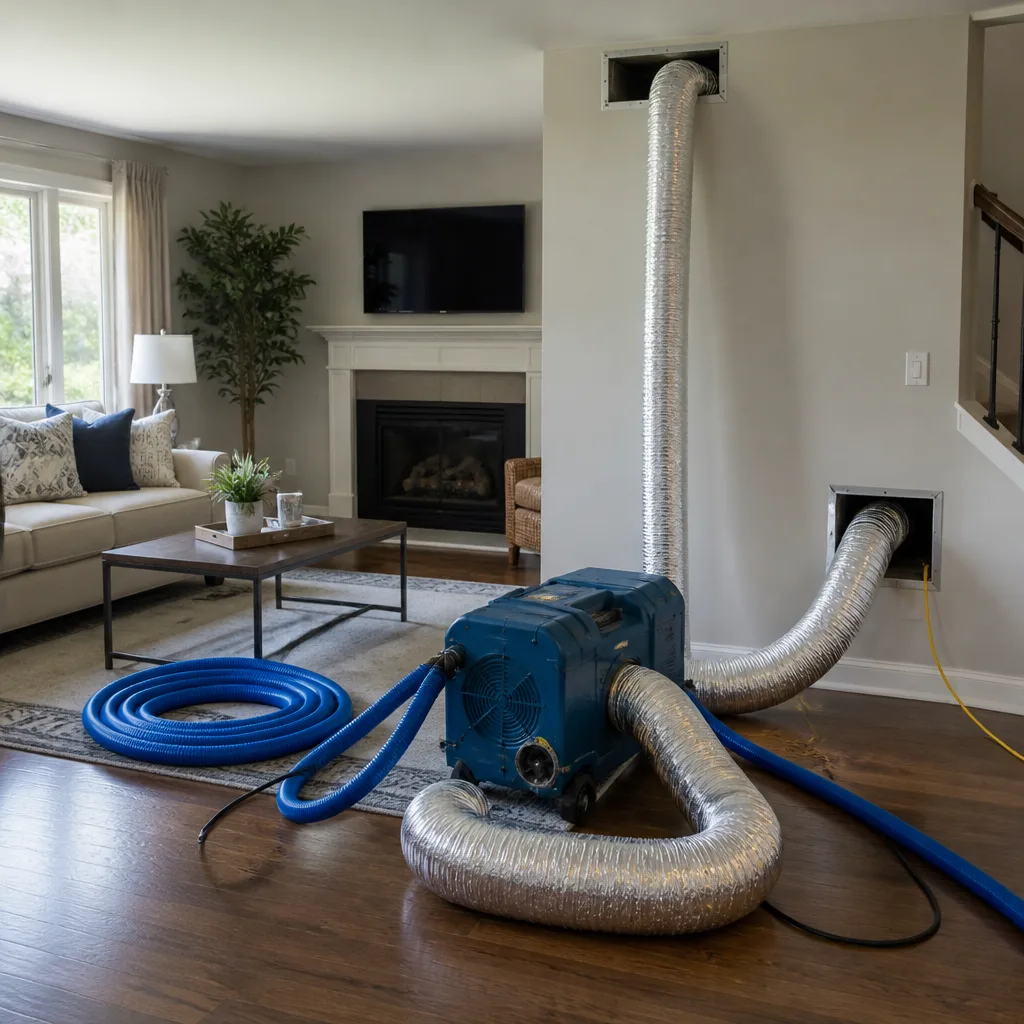 Whole-home duct cleaning
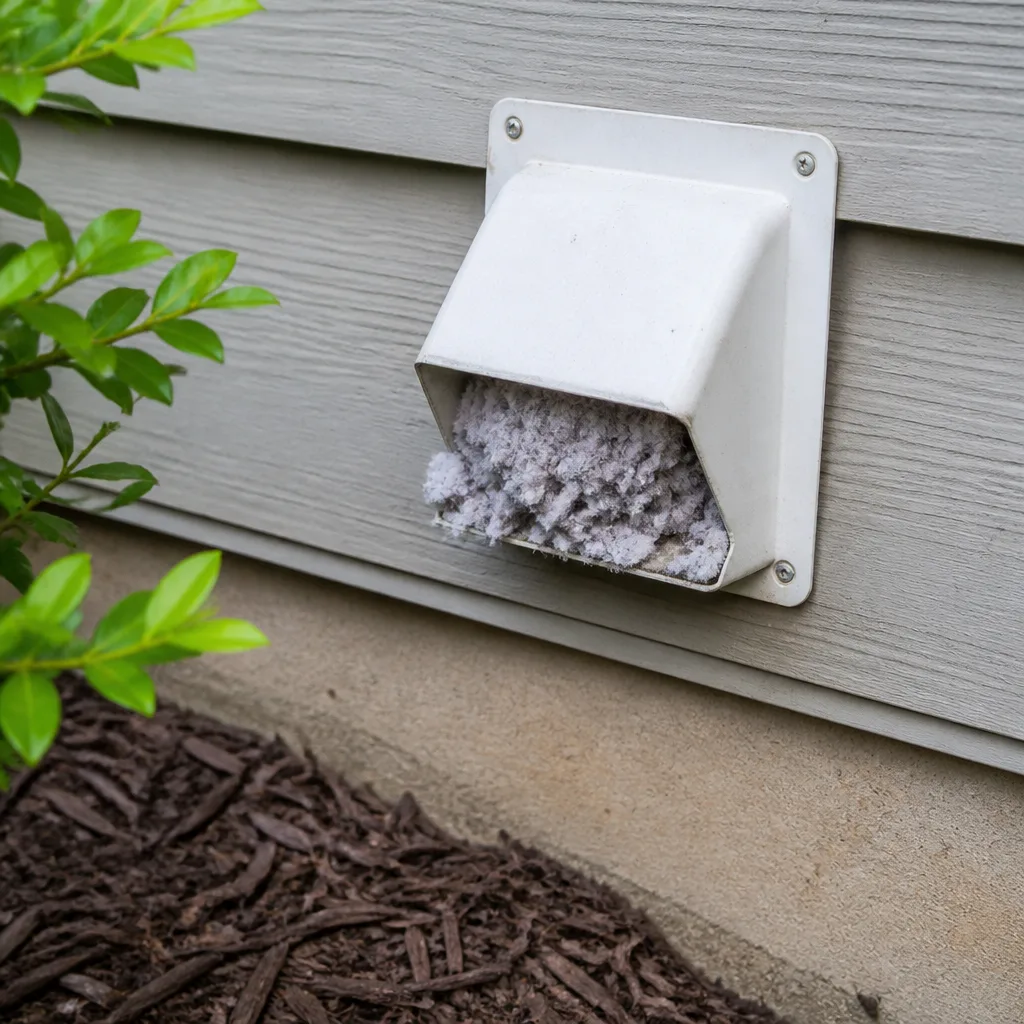 Dryer vent cleaning
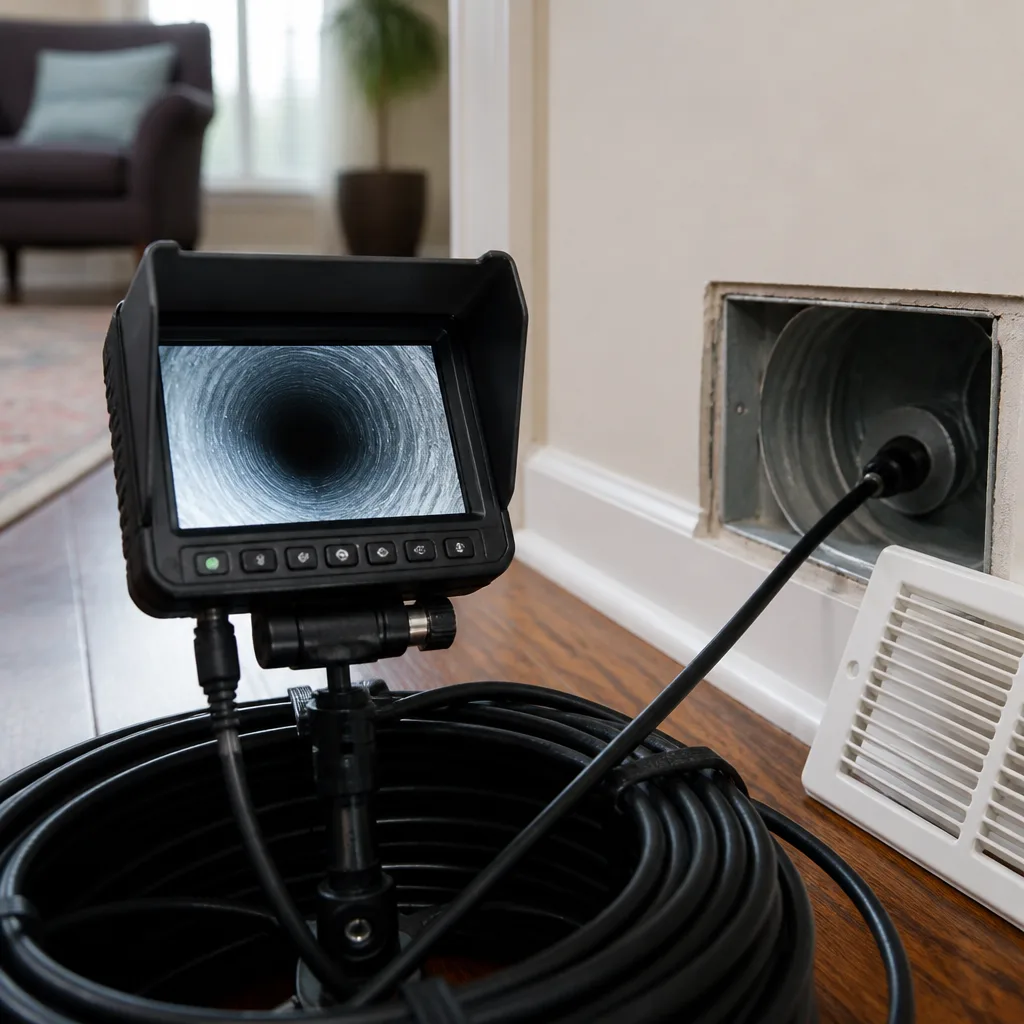 Camera inspection
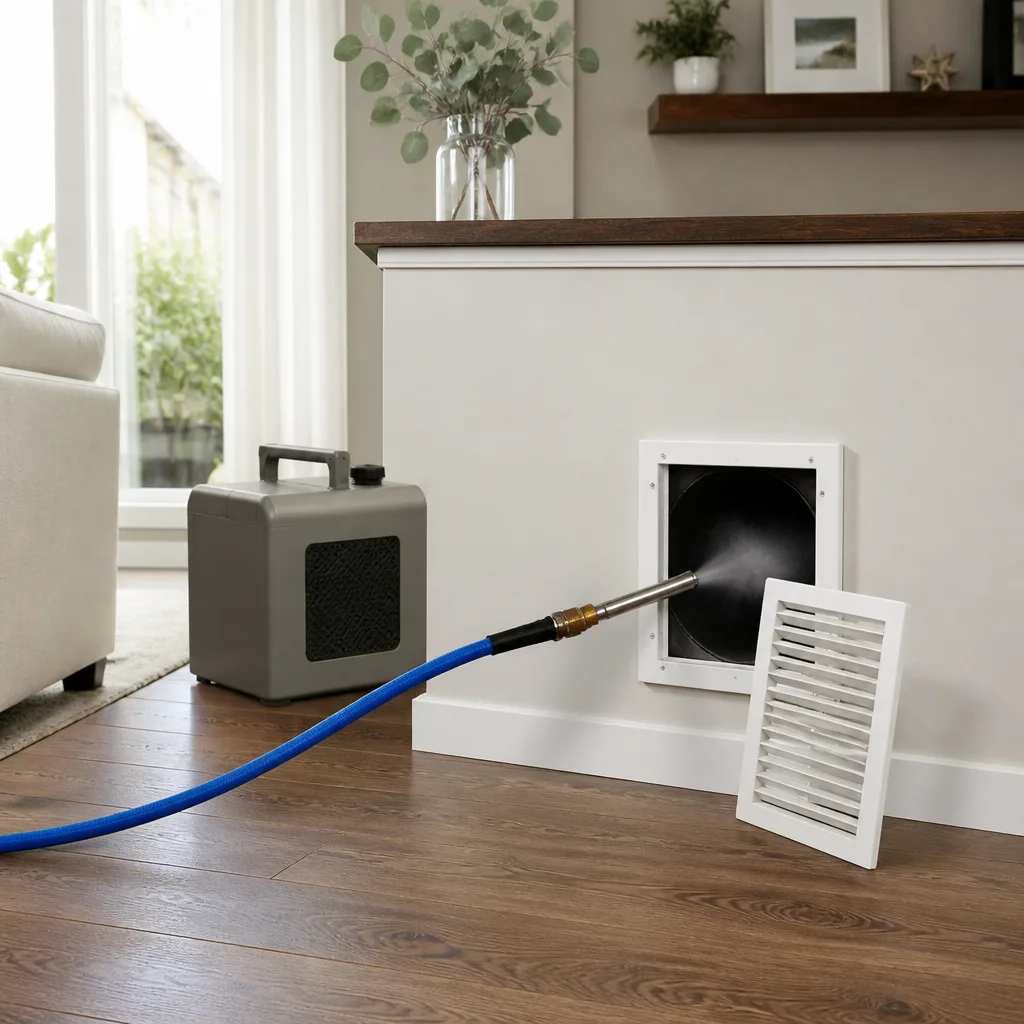 Sanitizing & deodorizing
Whole-system duct and dryer vent check with before-and-after photos - you see exactly what came out of your vents
That "$99 whole-house special" is a bait ad - the real number appears once they are in your hallway, or the "clean" is a shop-vac at the register. We photograph the inside of your ducts before and after instead.
Air Duct Cleaning Maintenance Checklist for Somerton Homeowners
The most common maintenance mistake we see in Somerton homes isn’t skipping professional cleanings. It’s changing the filter on a calendar instead of inspecting it. That single habit means some homes run a clogged filter three weeks past its useful life while others throw away a filter that’s still doing its job. Either way, the homeowner is guessing, and guessing is expensive. What follows is an observation checklist, not a cleaning schedule. It covers what to look at each month, what changes with Somerton’s seasons, how to track airflow room by room, and what you can handle yourself versus what needs contractor-grade equipment. By the end you’ll know how to read your own system before problems compound.
Quick Answer
An air duct maintenance checklist for Somerton homeowners is a short, repeatable routine: a ten-minute monthly inspection of registers, return grilles, and filter condition, a room-by-room airflow log, and seasonal checks tied to summer humidity and fall leaf debris. The checklist tells you when your system needs professional attention, so you schedule a cleaning based on evidence rather than a fixed date.
Styles & brands we work with
- Whole-home duct cleaning
- Dryer vent cleaning
- Camera inspection
- Sanitizing & deodorizing
Table of Contents
- The Ten-Minute Monthly Inspection Routine
- What Changes Season to Season in Somerton
- Tracking Airflow Balance Room by Room
- What You Can Do Yourself and What Needs a Pro
- Building a Documentation Log
- Filter Inspection: Reading Condition, Not the Calendar
- When to Call a Professional
- Frequently Asked Questions
The Ten-Minute Monthly Inspection Routine
A walkthrough once a month catches most problems while they’re still small. Set a reminder and go through the house in order. It takes under ten minutes once you know what you’re looking at. The goal isn’t to clean everything each time; it’s to notice change. A register that looked fine last month but is now streaked with dust is telling you something moved through the system.
Here’s the routine, in the order that works best:
- Walk the registers. Look at every supply register for dust buildup, dark streaks, or visible debris. Note any register that looks dirtier than the others.
- Check the return grilles. Returns pull air back into the system, so they load up faster. Remove the grille and look at the filter behind it.
- Open the filter slot and inspect the filter. Hold it up to a light. If you can’t see light through it, it’s loaded.
- Listen at each return. A whistling or rattling return can mean a restriction or a loose fitting.
- Feel the airflow at each supply. Hold your hand a few inches away. You’re comparing rooms, not measuring precisely.
- Smell the air near a return. Musty or stale odors point to moisture or microbial growth somewhere in the system.
- Write down anything that changed. Two sentences in a notebook is enough.
That’s it. The value comes from repetition, not intensity. A Somerton home that gets this walkthrough every month will surface a slow leak or a clogged filter long before it turns into an airflow complaint. If you’d rather have a professional set the baseline once, a full air duct cleaning gives you a clean starting point to measure against.
What Changes Season to Season in Somerton
Somerton’s climate shifts what you’re looking for month to month. The checklist stays the same, but the signals change. A homeowner who only looks for dust misses half of what the system is telling them.
Summer: moisture and microbial growth
Summer humidity is the big one. A cooling coil that stays wet between cycles, a condensate line that drains slowly, or a return that pulls damp basement or crawlspace air all create conditions where microbial growth takes hold inside the ducts. In summer, look for musty smells near returns, condensation on supply registers, and any dark discoloration on the inside of grilles. These are signs that moisture is staying in the system, and no amount of register wiping fixes that. When growth is suspected, a sanitizing service using professional filtration matters more than a surface clean.
Fall: particulate loading from leaf debris
Fall brings leaf debris, and in Somerton that debris finds its way onto outdoor condenser coils, into return air paths near doors and garages, and into filters faster than any other season. Filters that lasted eight weeks in spring may load up in four during October. Inspect more often in fall, and check the outdoor unit for leaf accumulation that restricts airflow into the system.
Winter and spring: dry air and pollen
Winter heating dries the air and can make duct leakage more noticeable, since warm air escapes through gaps you didn’t feel in summer. Spring pollen loads filters with fine particles that are harder to see than fall debris. Both seasons benefit from the same monthly walkthrough, just with different attention: gaps and sealing in winter, filter loading in spring.
This is why a fixed-schedule filter change fails. The system doesn’t care what month it is. It cares what’s in the air.
Tracking Airflow Balance Room by Room
Airflow balance is your earliest warning system. Before a duct obstructs fully or a connection comes loose, the rooms it serves start feeling different. If you track airflow room by room, you catch the change while it’s still a small fix.
Here’s how to build the baseline:
- Pick a consistent test method. A strip of tissue held near the register works. So does your hand held at the same distance each time. Consistency matters more than precision.
- Test every supply register in the house on the same day. Note the strength as strong, moderate, or weak.
- Repeat once a month at the same time of day. HVAC systems behave differently at different times, so keep the test window consistent.
- Compare results to last month. A room that dropped from strong to weak is a signal. A room that’s been weak since you moved in is a different situation, often a design issue rather than a new fault.
- Note rooms that feel stuffy or over-pressurized. Poor balance shows up as rooms that are hard to heat or cool even when the system runs.
When one room consistently underperforms while others are fine, the usual culprits are a disconnected duct run, a collapsed flex duct, a damper stuck in the wrong position, or a leak that’s bleeding air into an unconditioned space. None of those are visible from a register. A professional inspection with a camera and pressure testing finds them. The same visit can include duct repair and sealing, so a leak found during inspection gets sealed rather than noted and handed off to another contractor.
What You Can Do Yourself and What Needs a Pro
There’s real value in what a homeowner can do, and real risk in overreaching. The line between them is simple: anything that requires reaching inside the ductwork or containing debris across the whole system is a professional job. Everything at the surface is yours.
What homeowners can legitimately do
- Clean register covers and return grilles. Remove them, wash them in warm soapy water, dry them fully, and reinstall. This is surface cleaning, and it makes a visible difference.
- Vacuum the face of the return grille and the immediate area around it. A household vacuum with a brush attachment handles this fine.
- Inspect and change filters. This is the single highest-value thing you can do, and the checklist above explains how to do it by condition rather than by calendar.
- Upgrade the filter. Moving to a higher-efficiency filter, or to a media cabinet that holds a deeper filter and lasts longer, is a legitimate homeowner improvement. We work with Honeywell and Aprilaire filtration products and can advise on what your system can handle without restricting airflow.
- Keep returns clear. Furniture, rugs, and boxes blocking return grilles starve the system. Move them.
- Log what you see. Documentation is entirely in your hands, and it’s the most useful record you’ll have.
What requires contractor-grade equipment
Inside the ducts, the equation changes. Loose debris dislodged by a shop vacuum or a leaf blower doesn’t leave the system; it recirculates into the living space. That’s why professional cleaning uses two things a homeowner can’t replicate. First, agitation and extraction equipment: the rotary brush systems we run, like Rotobrush and Nikro units, loosen debris from duct walls and pull it out rather than blowing it around. Second, negative-pressure containment: Abatement Technologies air filtration equipment holds the system under negative pressure during the work, so anything loosened is captured instead of released into the room. Together those two things are the difference between cleaning a system and stirring one up.
Dryer vent cleaning is in the same category, and it’s a fire-safety issue rather than an air-quality one. Lint accumulates in the vent run, and restricted airflow is a leading cause of residential dryer fires. That job belongs to a professional with the right brushes and a way to verify the vent is clear end to end. Our dryer vent cleaning covers exactly that.
Building a Documentation Log
A documentation log converts observations into decisions. Without one, you’re relying on memory, and memory is unreliable over months. With one, you have objective data when the question comes up: does this system need a full cleaning, or not yet?
Keep it simple. A notebook or a spreadsheet works. Each entry should capture:
- Date of inspection.
- Filter condition (light, moderate, heavy loading) and whether you changed it.
- Airflow notes by room: strong, moderate, or weak.
- Register and grille condition: clean, dusty, streaked, or debris visible.
- Odor notes: none, musty, stale, or specific.
- Any changes since last entry: new furniture blocking a return, recent renovation, new pet, seasonal shift.
- Action taken and any concern to raise with a professional.
The log pays off in two specific situations. First, when you’re deciding whether to schedule a cleaning: a log that shows steady filter loading, stable airflow, and no odors suggests the system is doing fine. A log that shows a room losing airflow month over month, or a persistent musty smell, says it’s time for an inspection. Second, when a technician arrives. A record of changes over time tells them where to look first, which saves time.
Before-and-after photos are worth adding to the log after any professional cleaning. They document the state of the system at the point of service, so future comparisons are grounded in fact rather than impression.
Filter Inspection: Reading Condition, Not the Calendar
The filter is the one component that changes fastest and costs least to check. Most filter advice says “change every 30 to 90 days,” which is technically true and practically useless. The right interval depends on how fast your filter loads, and that varies by home: pets, nearby construction, how often the system runs, how tight the envelope is, and time of year all change the answer.
Inspect by condition. Hold the filter up to a bright light. If light passes through easily, the filter is still working. If it’s dim, it’s loading. If no light passes through, it’s done. Check monthly, and change based on what you see rather than what the package says.
Two things to keep in mind:
- A filter that’s too restrictive is a problem. Very high MERV ratings can reduce airflow and strain the blower if the system wasn’t designed for them. If you’re considering an upgrade, ask before installing. We work with Aprilaire and Honeywell filtration products and can match the filter to the system.
- Airflow restriction and duct dirt are connected. A starved system runs longer and works harder. That’s one reason filter discipline matters more than most homeowners realize.
Filter inspection belongs in the monthly walkthrough, not as a separate task. It takes thirty seconds and it’s the difference between a system that’s breathing and one that’s gasping.
When to Call a Professional
Some findings are maintenance. Some are a phone call. Call a professional when:
- Airflow has dropped in one or more rooms and stayed down for two monthly checks.
- You smell musty or stale air near returns, especially in summer.
- Visible debris or dark growth is present inside a register or return.
- The filter loads in weeks rather than months, suggesting heavy particulate loading inside the system.
- You’ve had a renovation, water intrusion, or pest problem that may have introduced debris or moisture into the ducts.
- It’s been several years since the ducts were cleaned and you’ve never had a baseline inspection.
- The dryer takes longer than it used to, which points to a restricted dryer vent.
Air Duct Cleaning Somerton offers free estimates in Somerton. Call (833) 482-7267. We answer 24/7, and fast dispatch from 7am to 7pm, Sunday through Friday. Our technicians have up to 13 years of experience, and every job is quoted per system, agreed before work starts.
Frequently Asked Questions
Most Somerton homes need professional duct cleaning every three to five years, and sooner if the checklist above shows persistent airflow drops, musty odors, or heavy filter loading. A monthly observation routine is a better guide than a fixed interval, because it reflects what your system is actually doing. If your log shows problems, call (833) 482-7267 for an exact quote. Estimates are free.
Check register and grille condition, filter loading, airflow at each supply, and any change in odor near returns. Note anything that’s different from last month. The whole walkthrough takes under ten minutes and is the earliest warning you’ll get that something in the system has changed. If anything looks wrong, a professional inspection is the next step. Call (833) 482-7267 and we’ll talk it through.
You can clean register covers, grilles, and the immediate surface around returns, and you should inspect and change filters yourself. You can’t clean inside the ductwork without professional agitation and extraction equipment plus negative-pressure containment, and attempting it with a shop vacuum tends to distribute debris into the living space rather than remove it. The local pro we connect you with is licensed and insured as their state requires.
A musty smell when the system runs usually points to moisture somewhere in the system, often a wet cooling coil, a slow condensate drain, or microbial growth inside the ducts during humid summer months. Register wiping won’t fix it. It needs an inspection and, if growth is confirmed, a sanitizing service. Call (833) 482-7267 to schedule an estimate.
Cleaning removes accumulated debris from inside the ductwork. Sealing closes the leaks that let conditioned air escape and let unconditioned air in. They address different problems, and a system can need both. Doing them together on the same visit avoids coordinating two contractors and gives you a system that’s both clean and tight. Our HVAC cleaning covers the full system, and sealing is part of what we do.
Ask for before-and-after photos of your own ducts, not stock images. A professional cleaning shows visible change in the duct runs and registers, and the documentation should reflect your system specifically. Combine that with a written estimate agreed before work starts, and you have a verifiable record. Call (833) 482-7267 for an estimate on your Somerton home.
See the difference
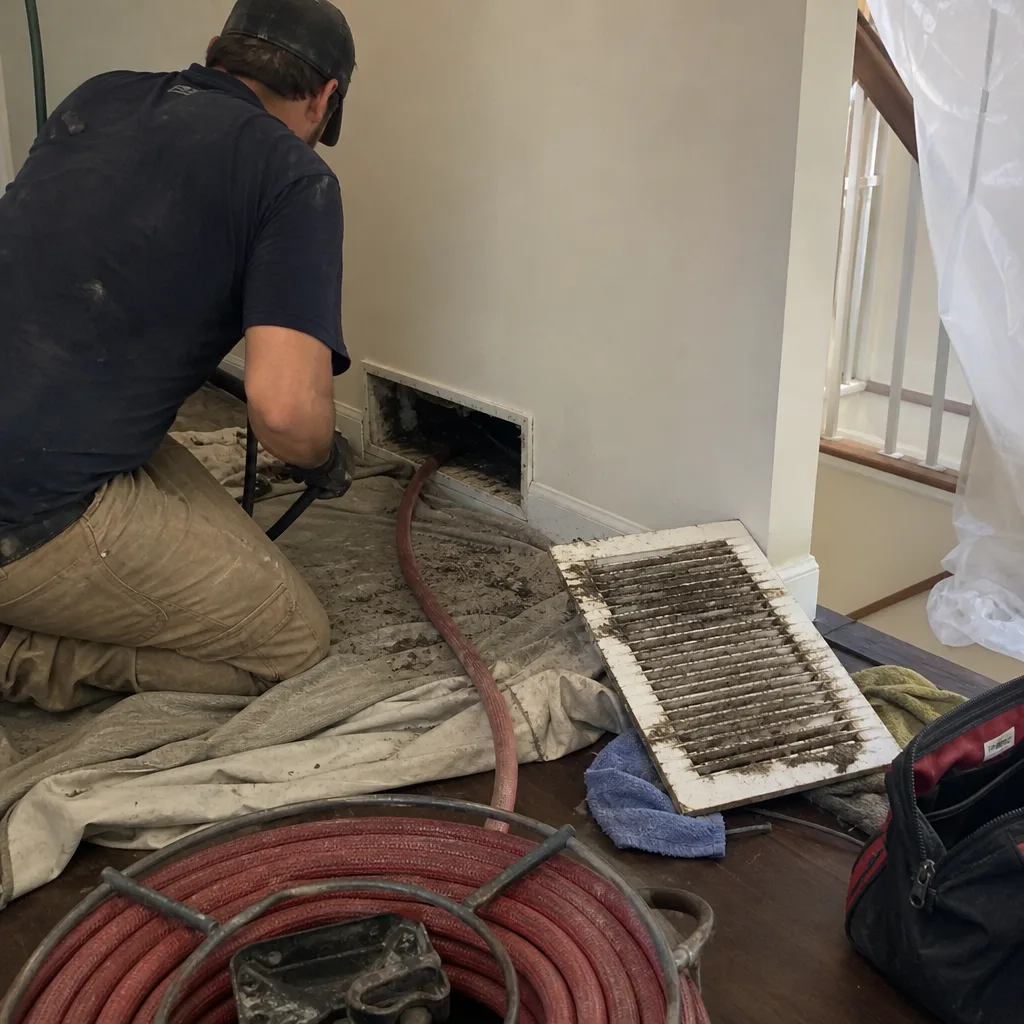 Before
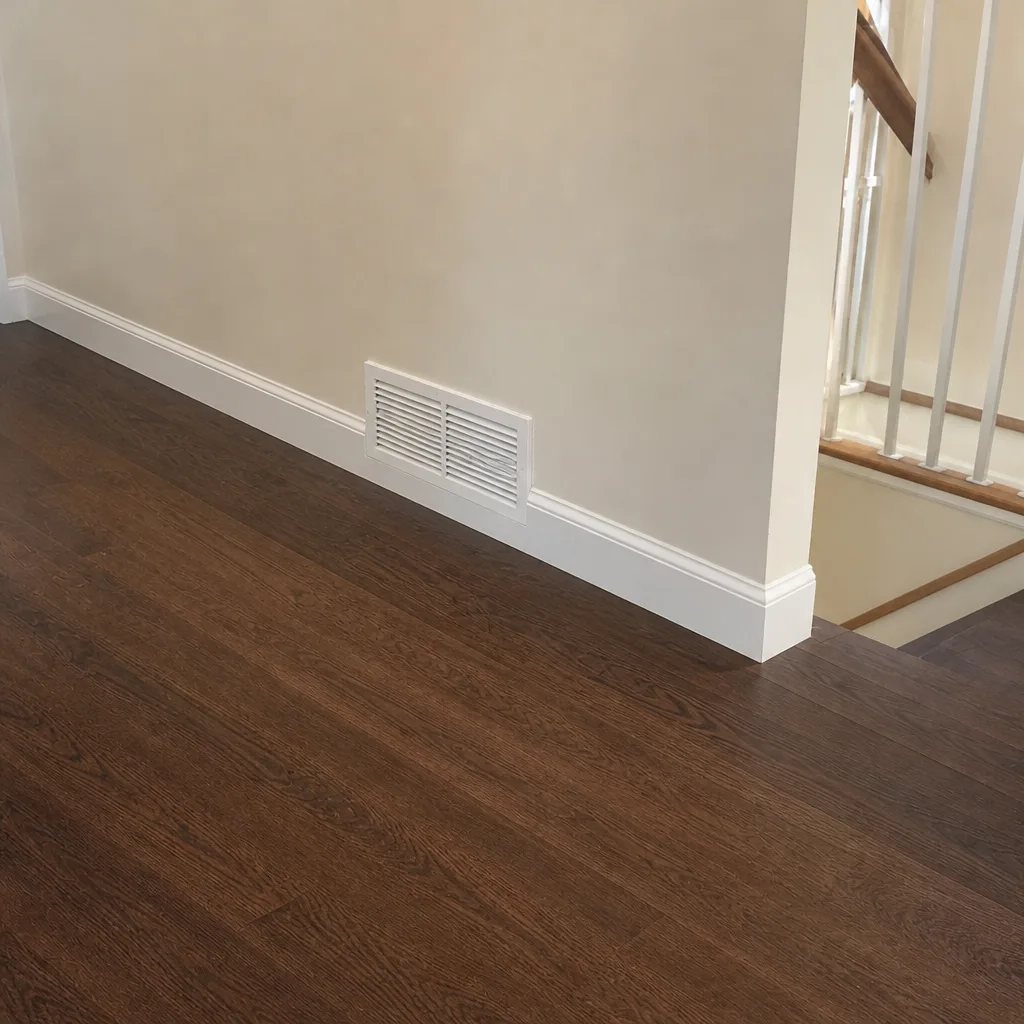 After
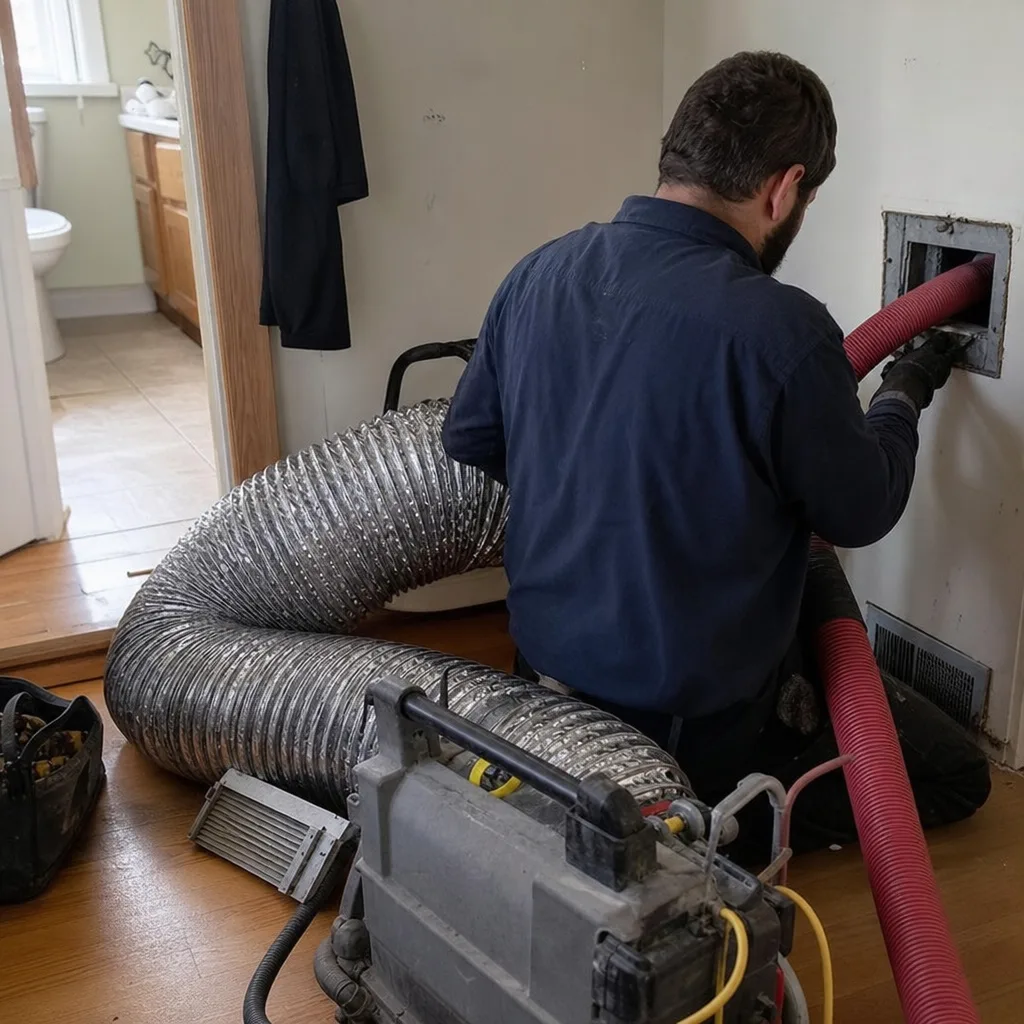 Before
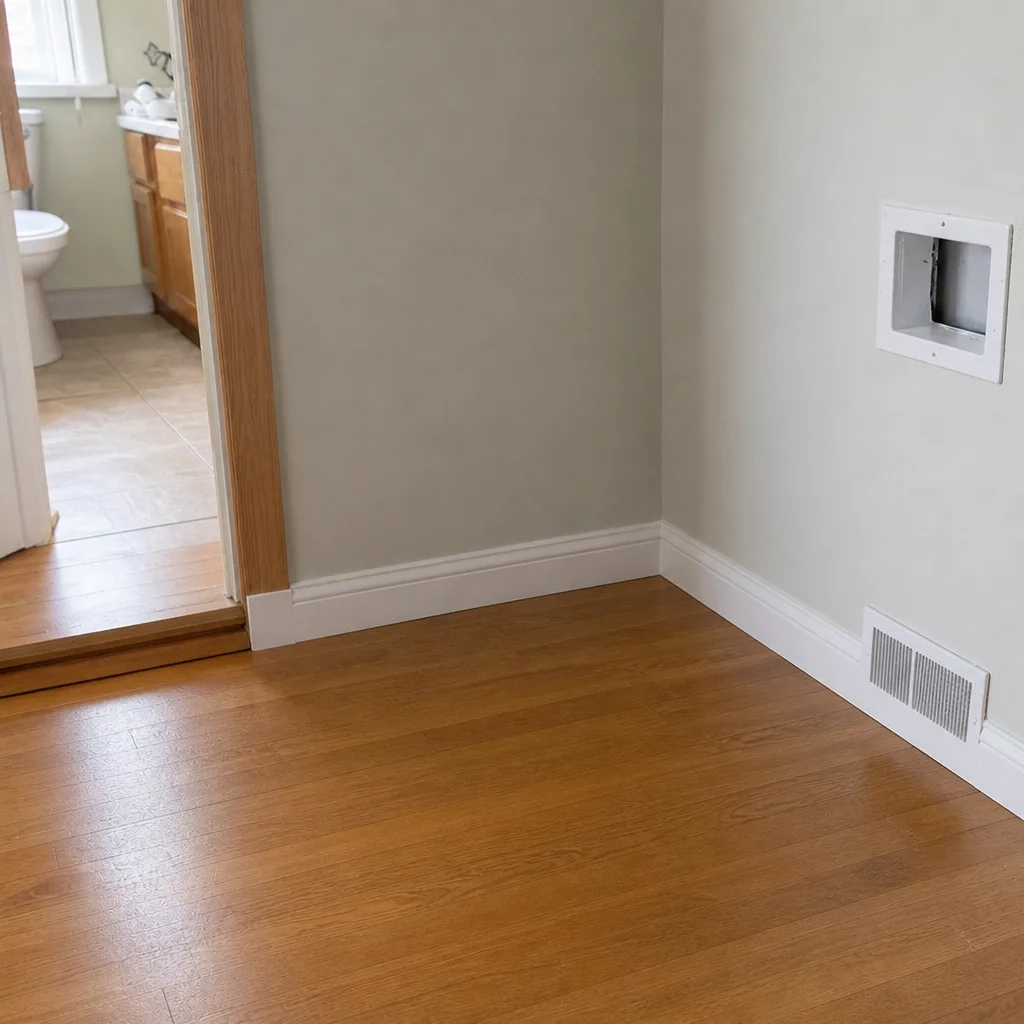 After
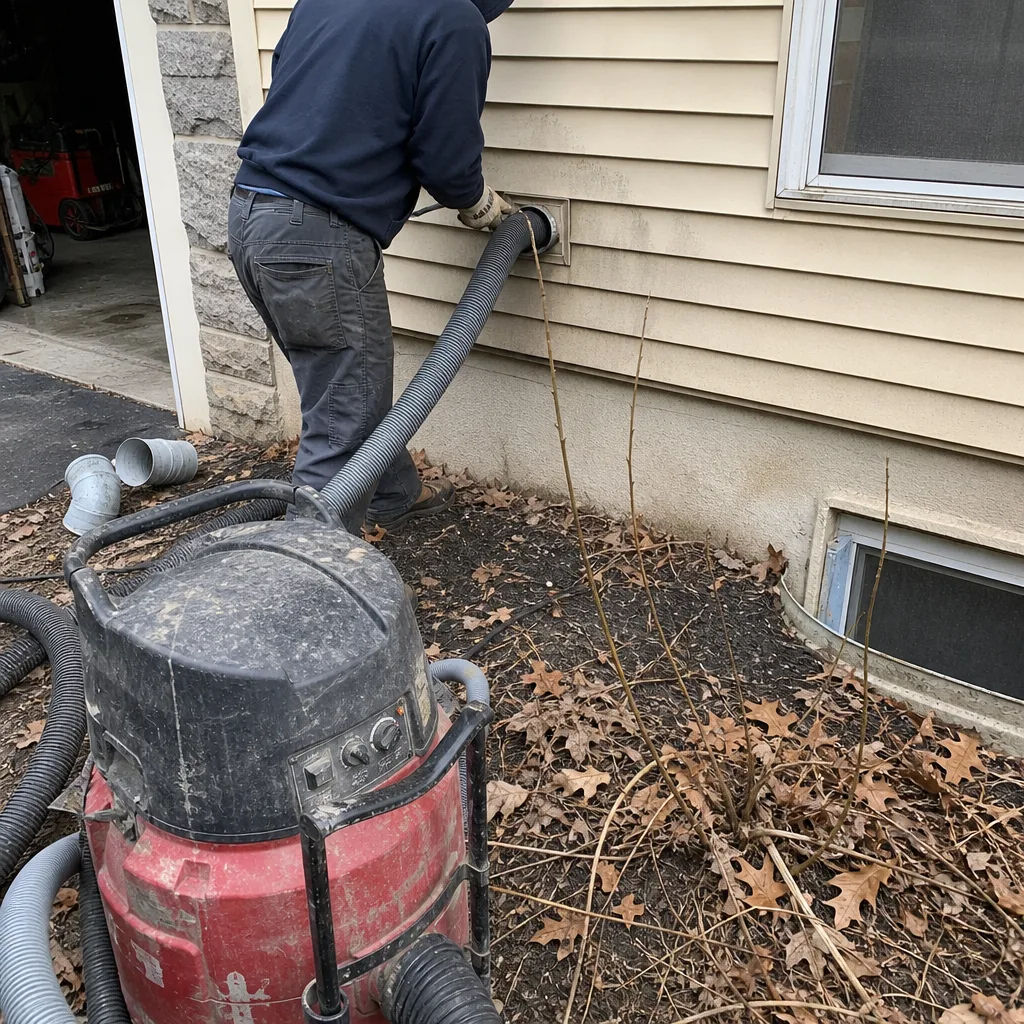 Before
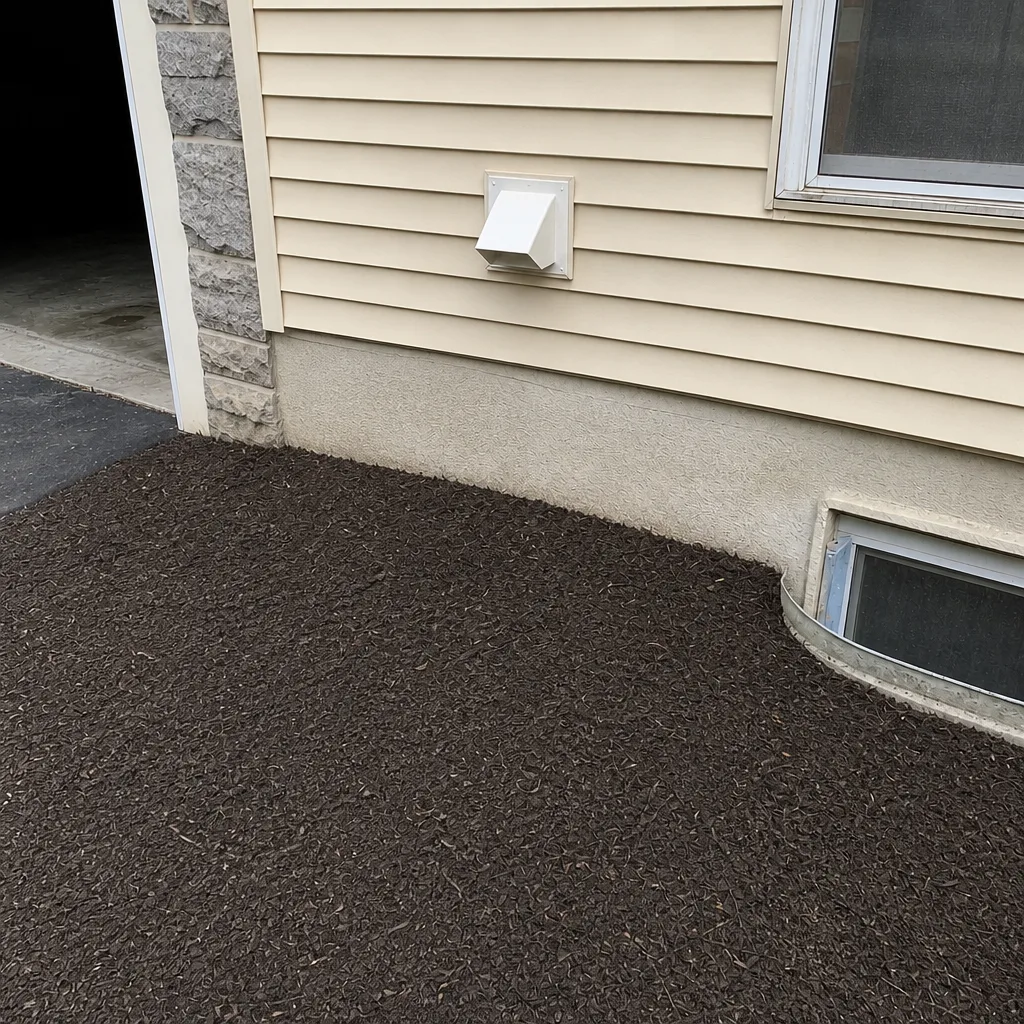 After
Common Mistakes to Avoid
- Changing the filter on a calendar instead of by condition. A clogged filter and a clean filter look nothing alike held up to light, but the calendar can’t tell the difference. Inspect monthly and change when the filter is actually loaded.
- Ignoring a single room with weak airflow. One underperforming room is often the first sign of a disconnected or leaking duct run. Waiting for it to get worse usually means a bigger repair.
- Wiping registers and calling it done. Register cleaning is good hygiene, but it’s surface work. The dust on the grille comes from somewhere inside the system, and only professional extraction addresses the source.
- Assuming a musty smell is just the weather. In Somerton’s humid summers, a persistent musty smell points to moisture in the system. It doesn’t resolve on its own.
- Installing the highest-rated filter available without checking compatibility. A filter rated for high particle capture can starve airflow if the system wasn’t designed for it. Match the filter to the system.
- Skipping dryer vent cleaning. Lint in the vent run is a fire risk, and a dryer that takes longer to dry clothes is telling you it’s restricted. This is a safety item, not an air-quality upsell.
- Hiring on price alone without asking what equipment will be used. A cheap quote that doesn’t include negative-pressure containment can leave your home dirtier than it started. Ask what equipment the contractor brings.
The Bottom Line
Air duct maintenance in Somerton isn’t a cleaning schedule. It’s a habit of looking. A ten-minute monthly walkthrough, an airflow log that tracks room by room, seasonal attention to summer humidity and fall leaf debris, and filter checks by condition rather than calendar will tell you more about your system than any recommended interval ever could. The homeowner who keeps a log knows when a cleaning is warranted and when it isn’t. That’s the difference between maintenance and guesswork. When the checklist shows something worth a professional look, that’s the moment to call.
Ready to Set a Baseline for Your Somerton Home?
If your checklist has surfaced concerns, or if you’ve never had the system inspected, start with a professional assessment. We use Rotobrush and Nikro agitation and extraction equipment with Abatement Technologies negative-pressure containment, so the work is contained and verifiable. We clean the full pathway: ducts, HVAC unit, registers, and dryer vent, with duct repair and sealing available on the same visit. Pricing is a flat price per system, agreed before work starts, with before-and-after photos of your own ducts. You can explore the whole service at Air Duct Cleaning Somerton. Call (833) 482-7267 for a free estimate. We answer 24/7. Fast dispatch from 7am to 7pm, Sunday through Friday.
Written by the team at Air Duct Cleaning Somerton.